THÉO DE GUELTZL
PHOTOGRAPHER + ARTIST
Théo de Gueltzl
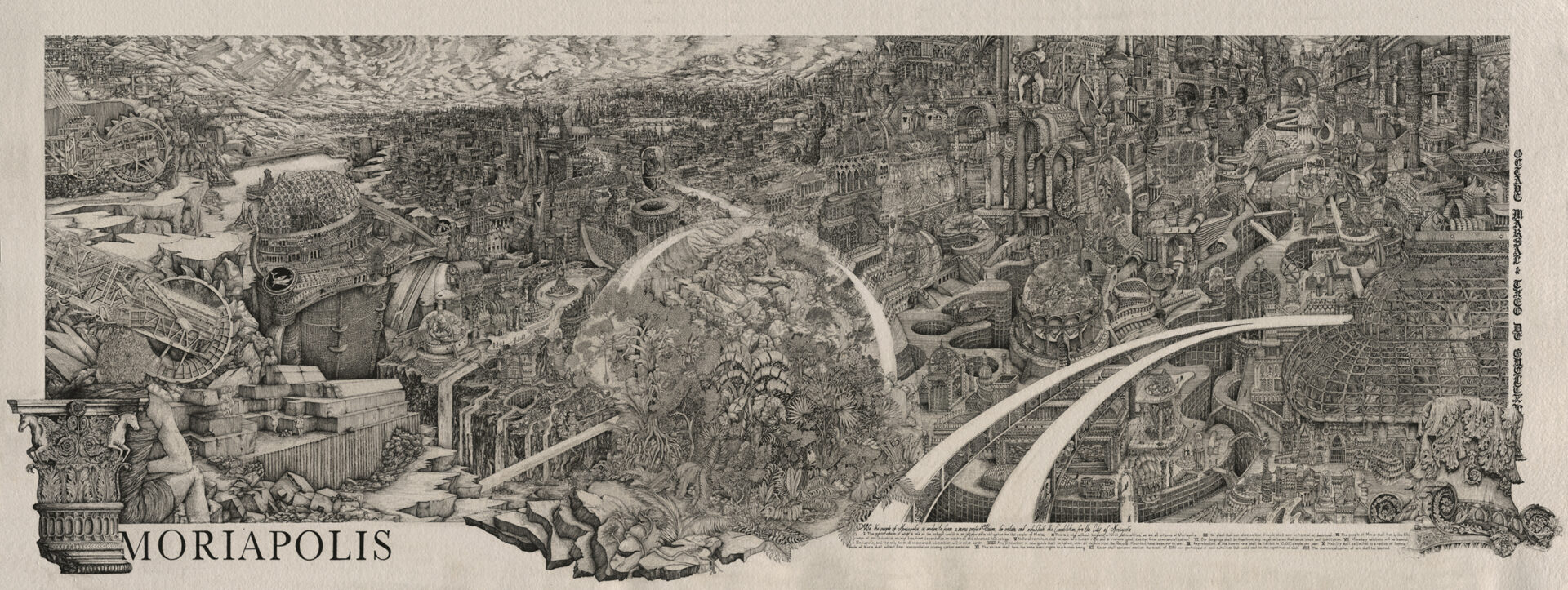
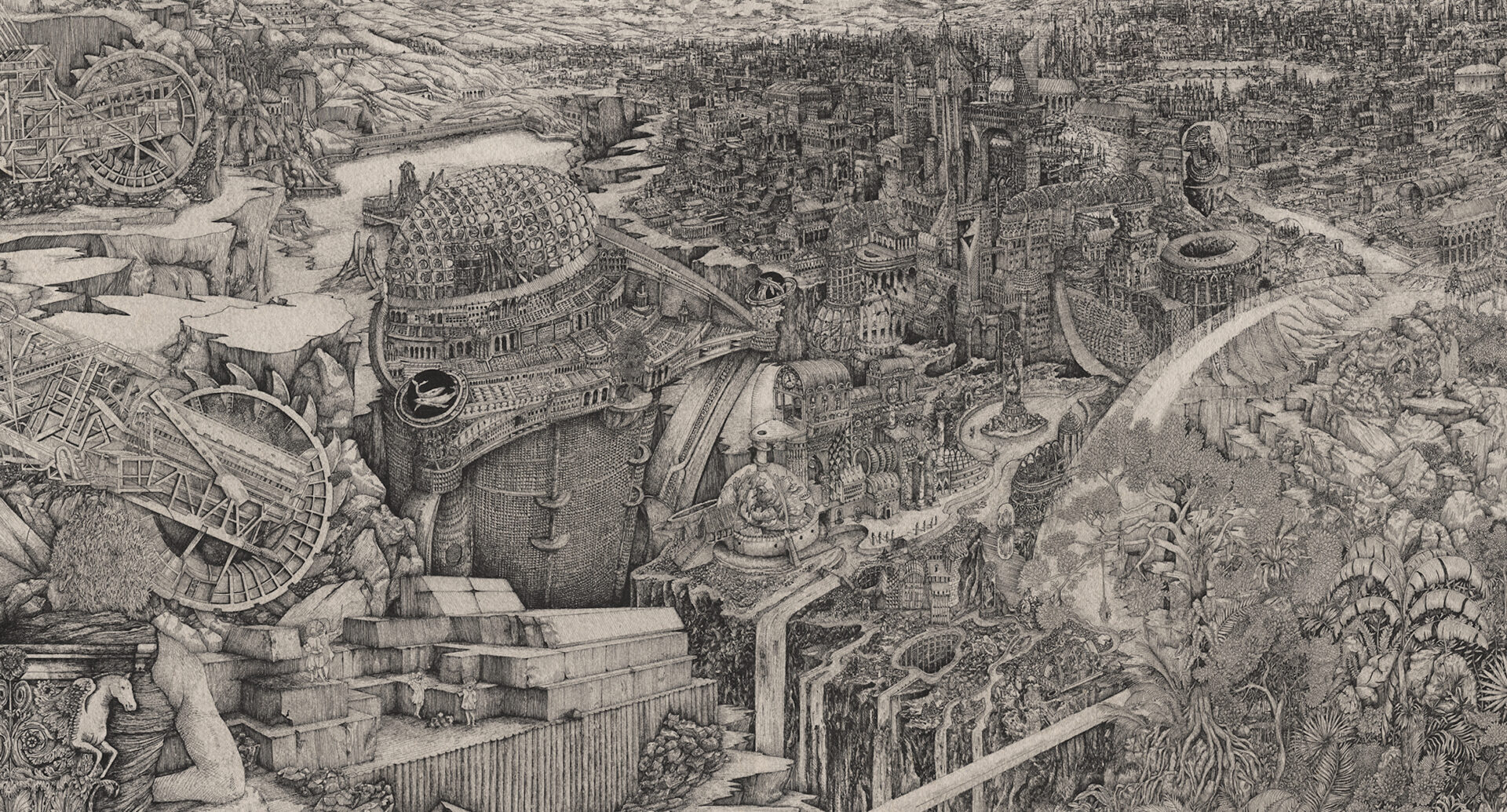
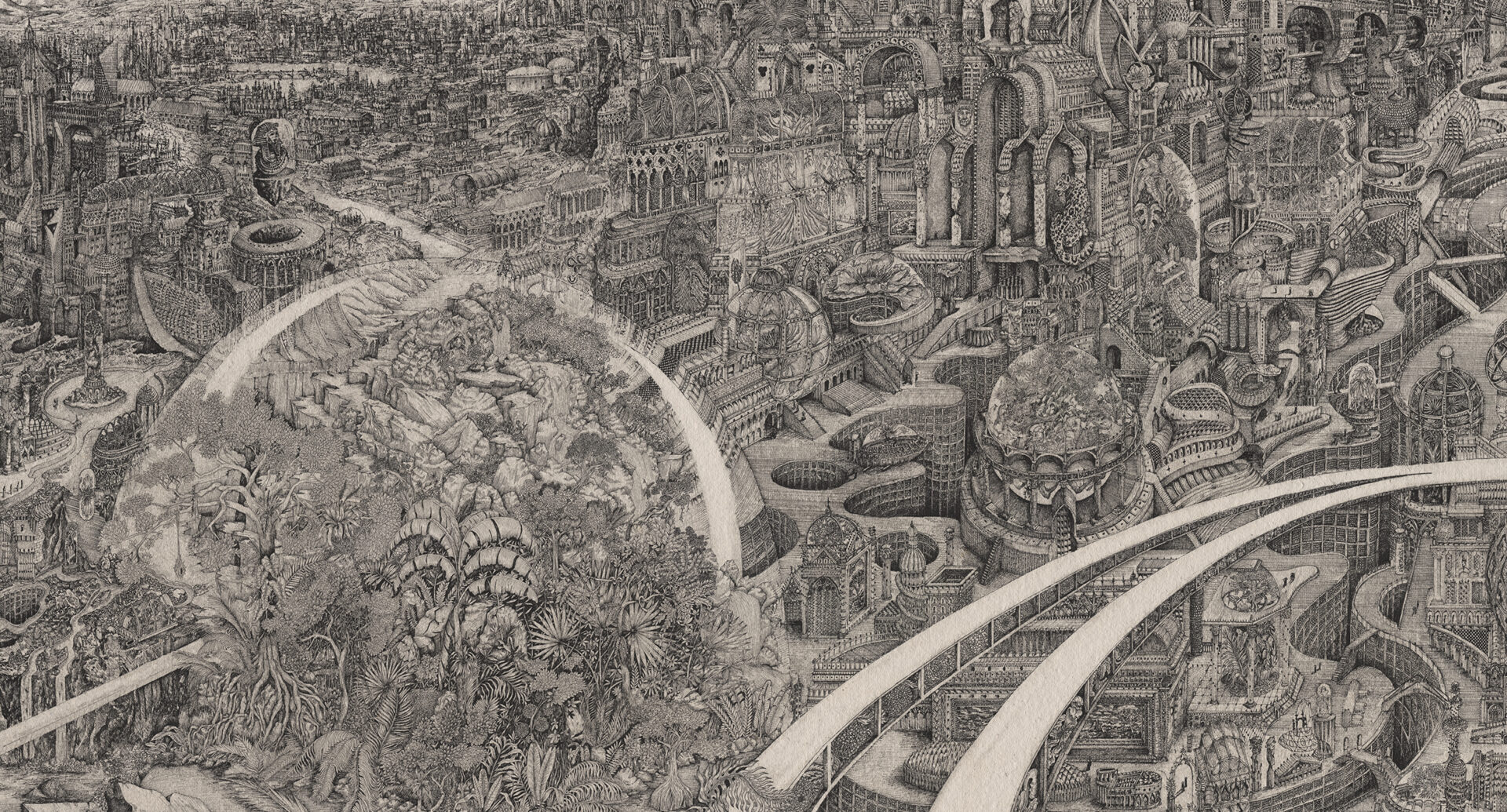
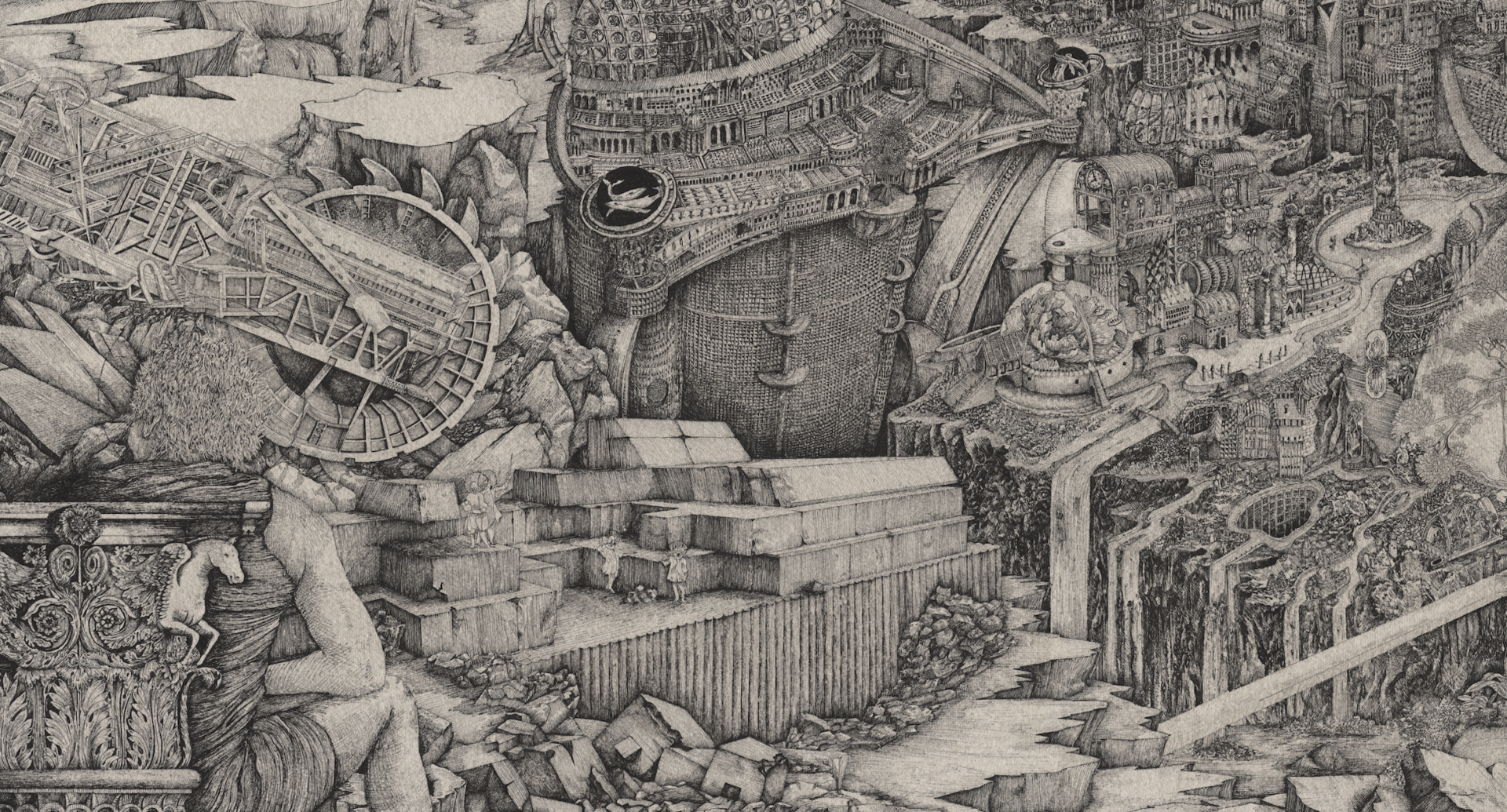
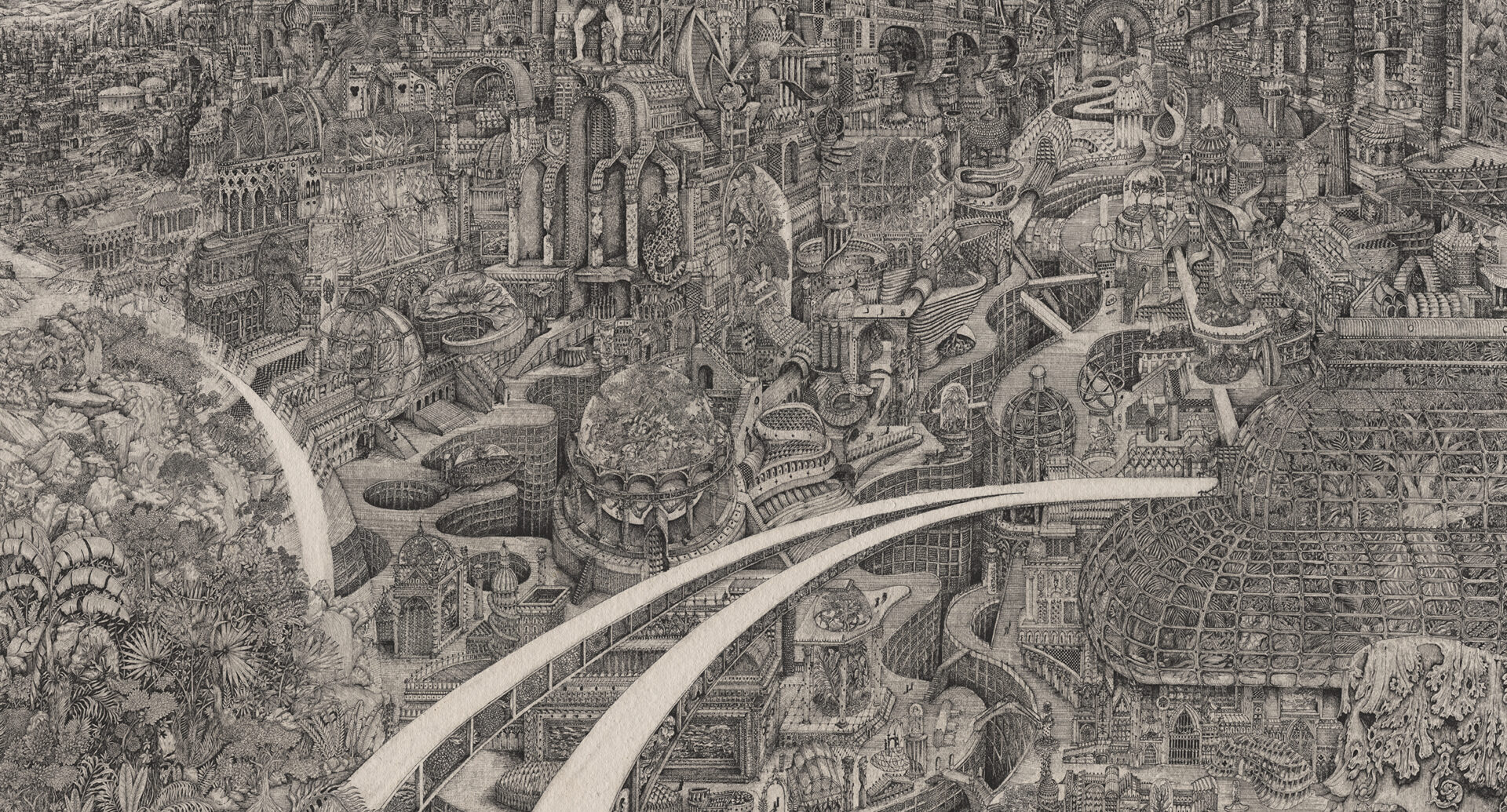
Originally from Paris, Théo de Gueltzl studied at Central Saint Martins in London, graduating in 2014. Initially focusing on fine art, he developed a long-standing partnership with Hermès, contributing intricate drawings for their textile designs. Documenting his travels through photography became a parallel obsession.
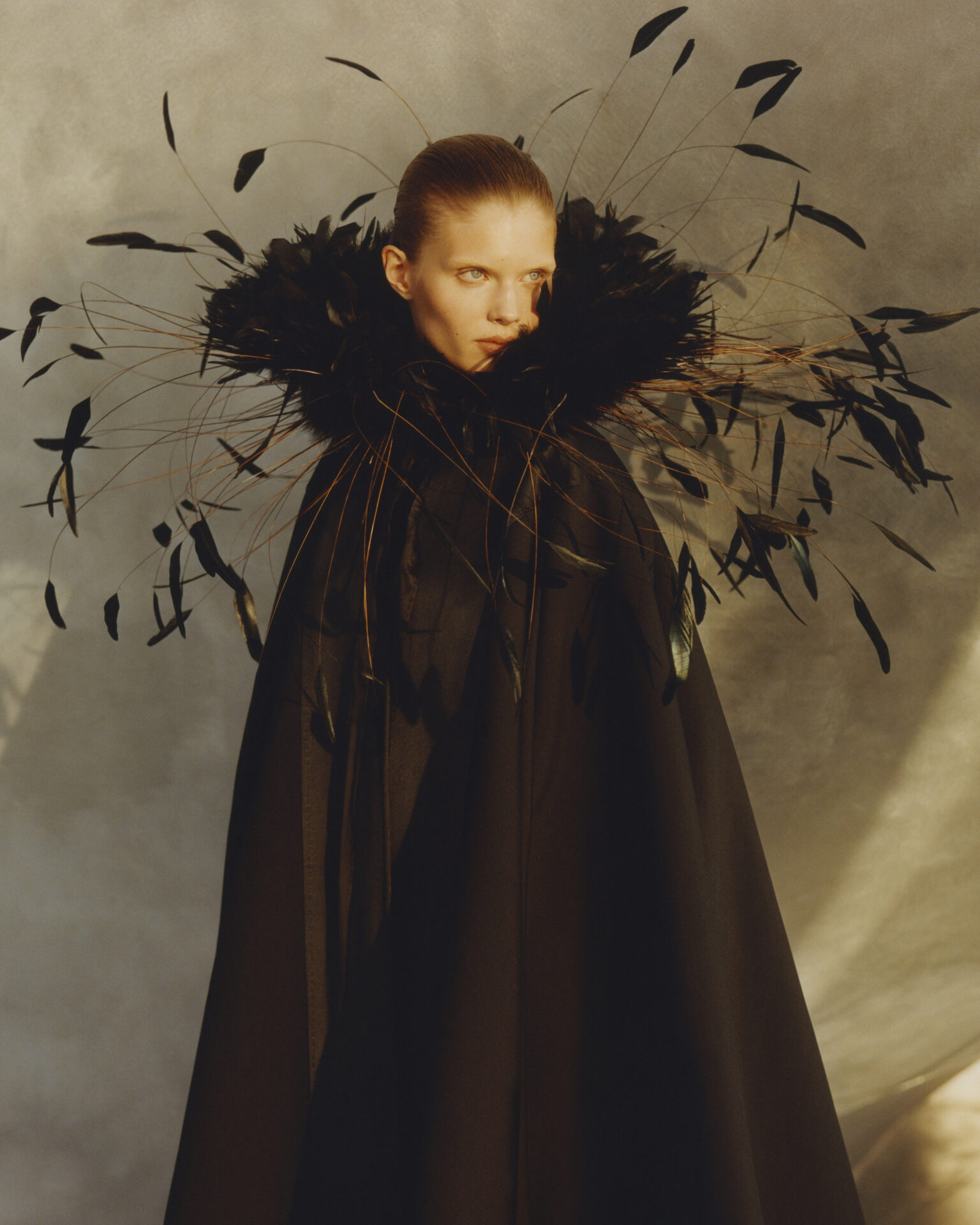
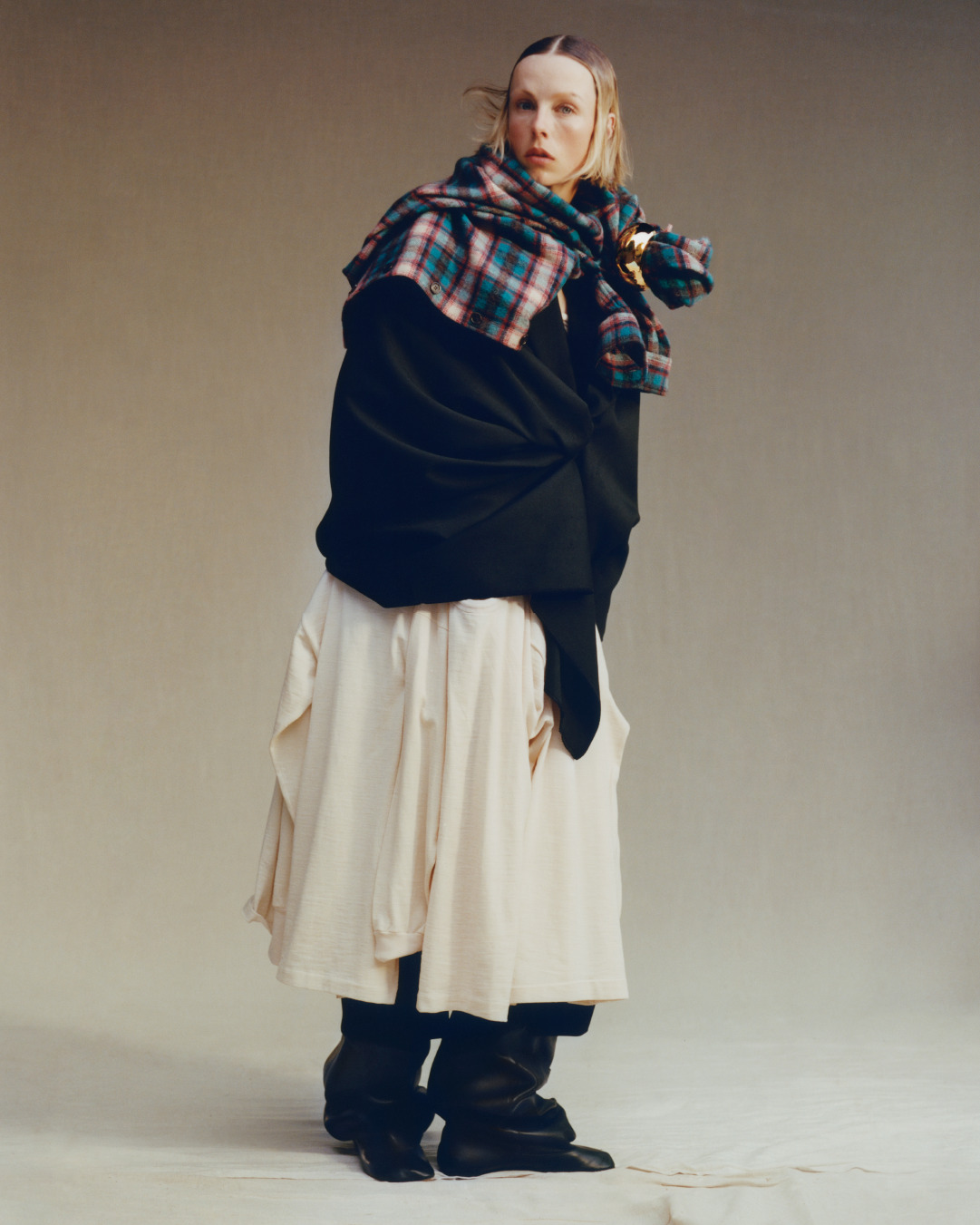
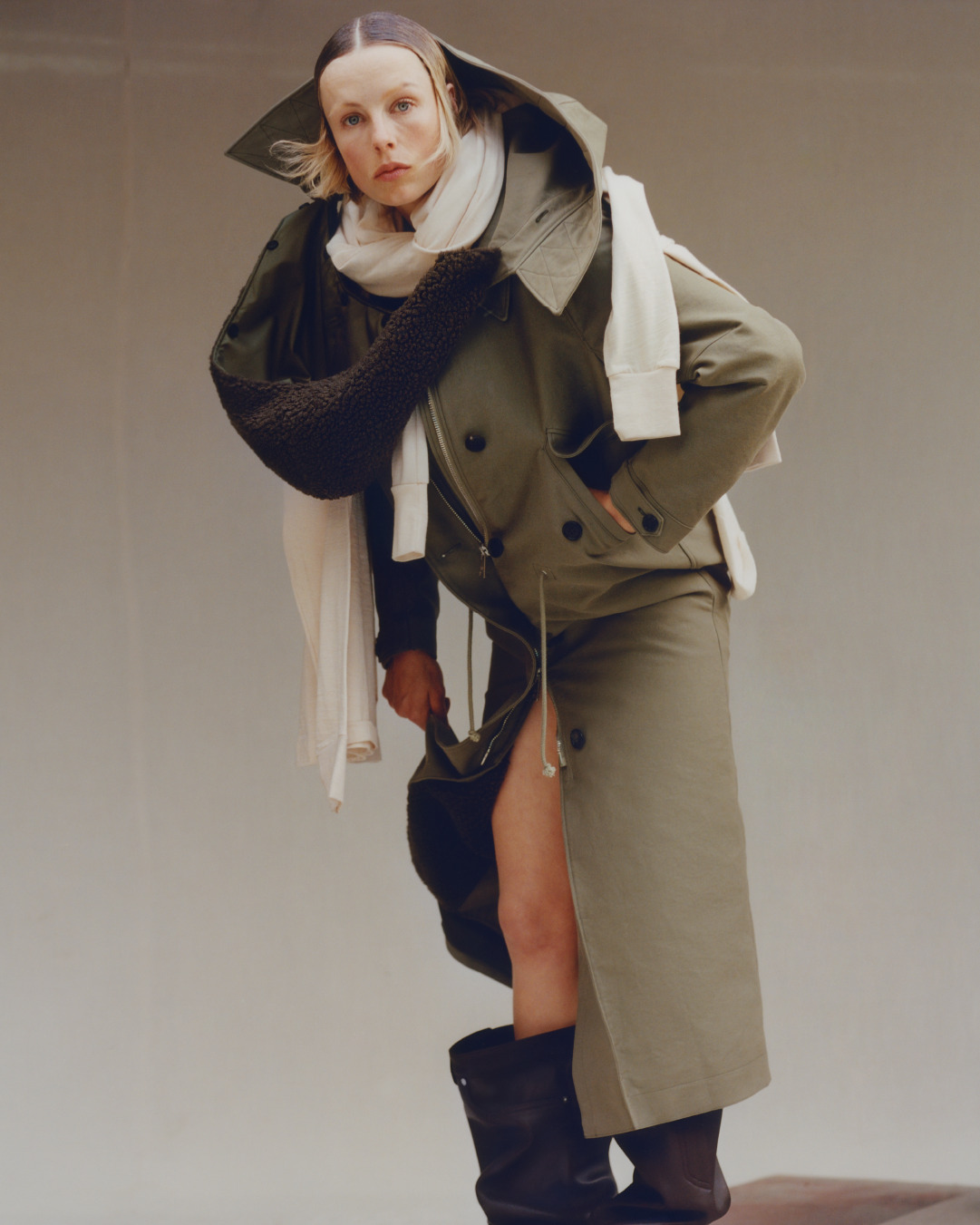
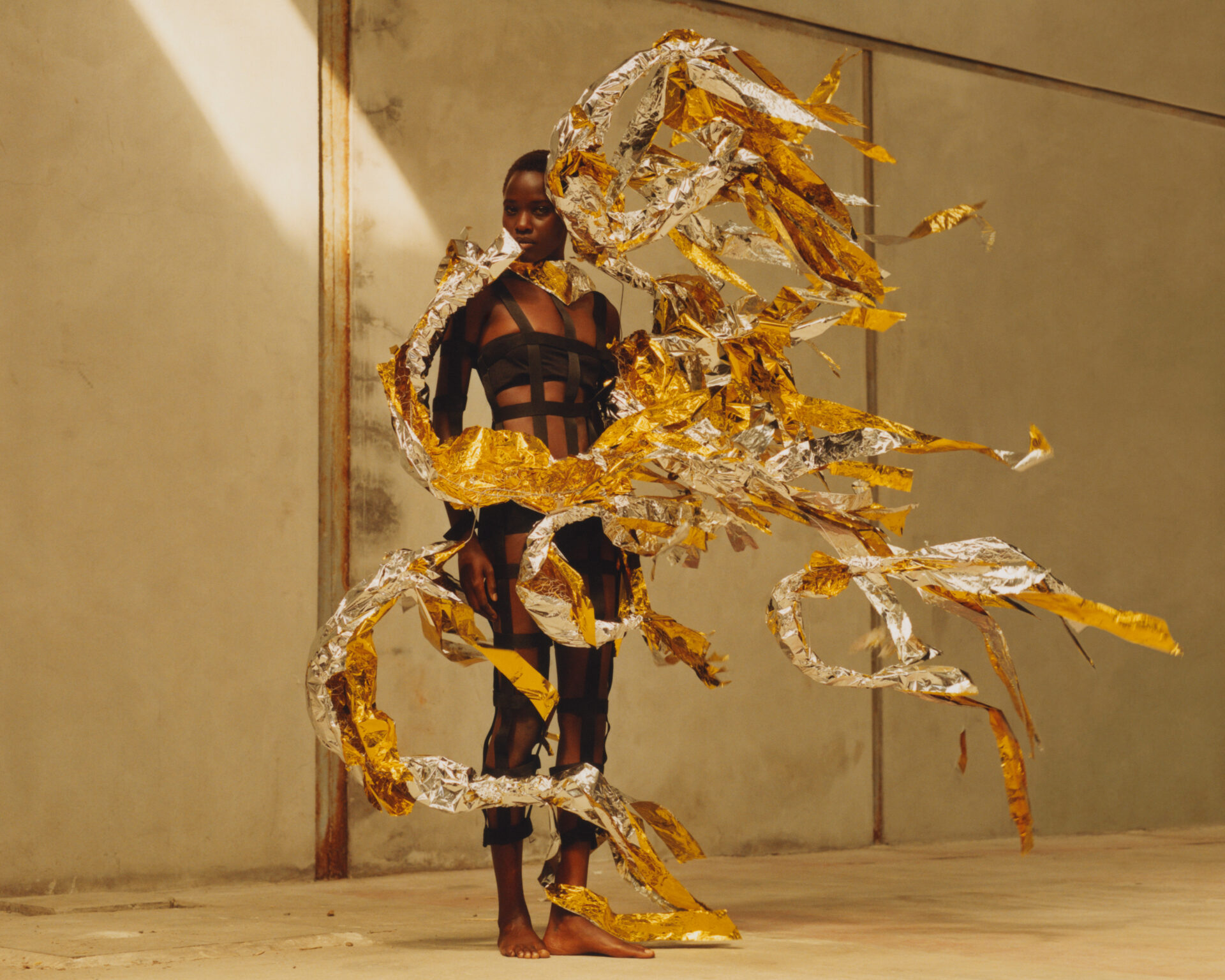
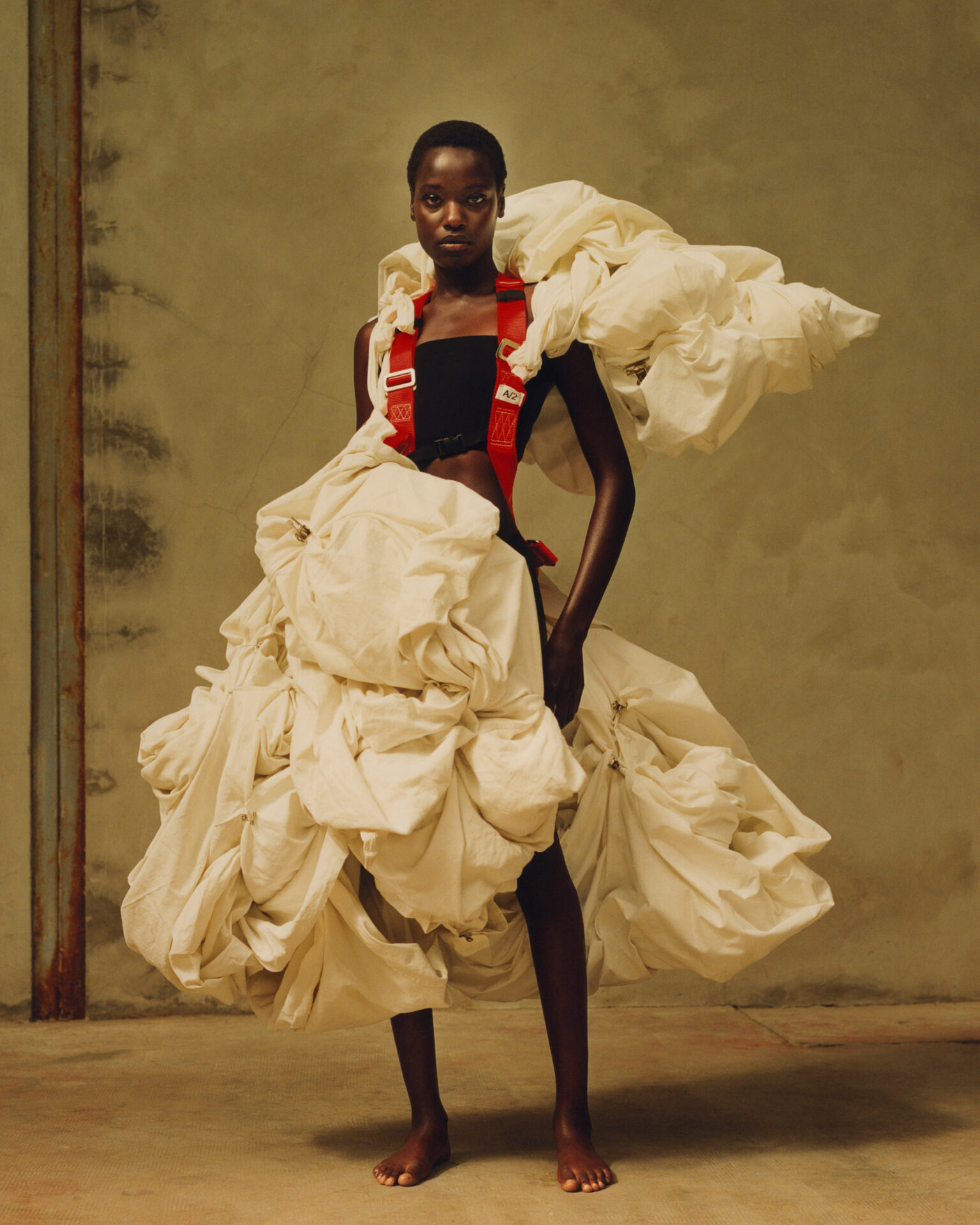
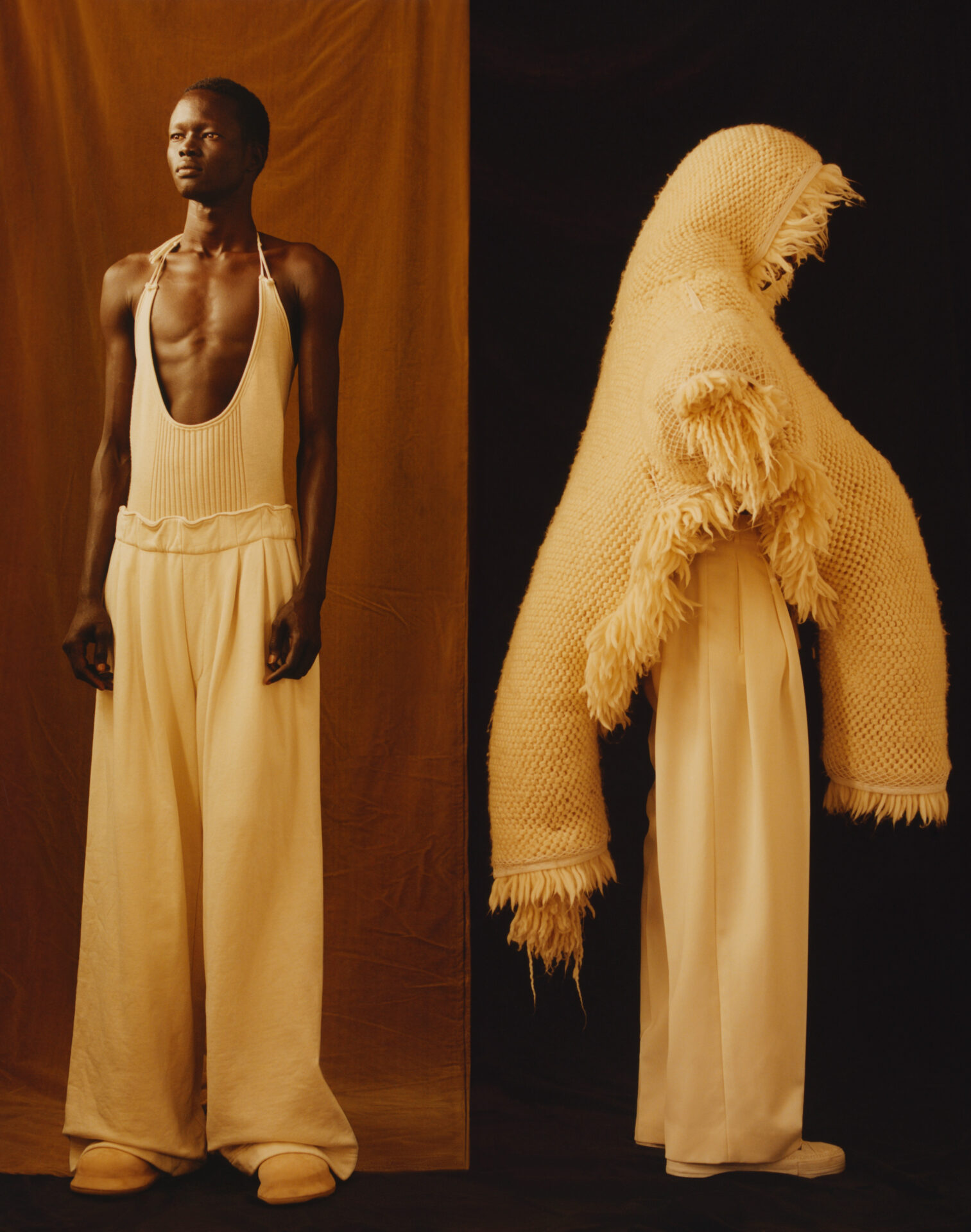
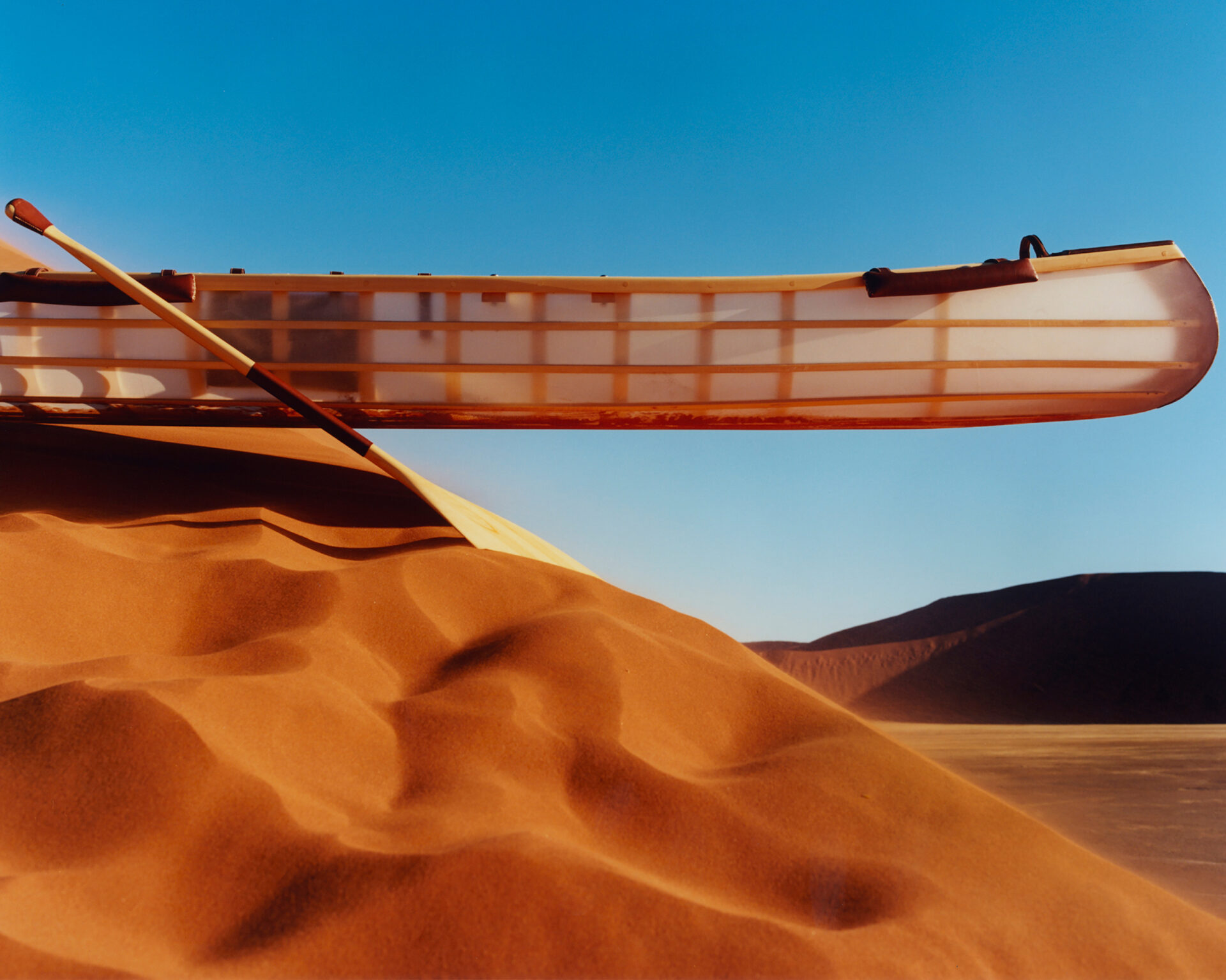
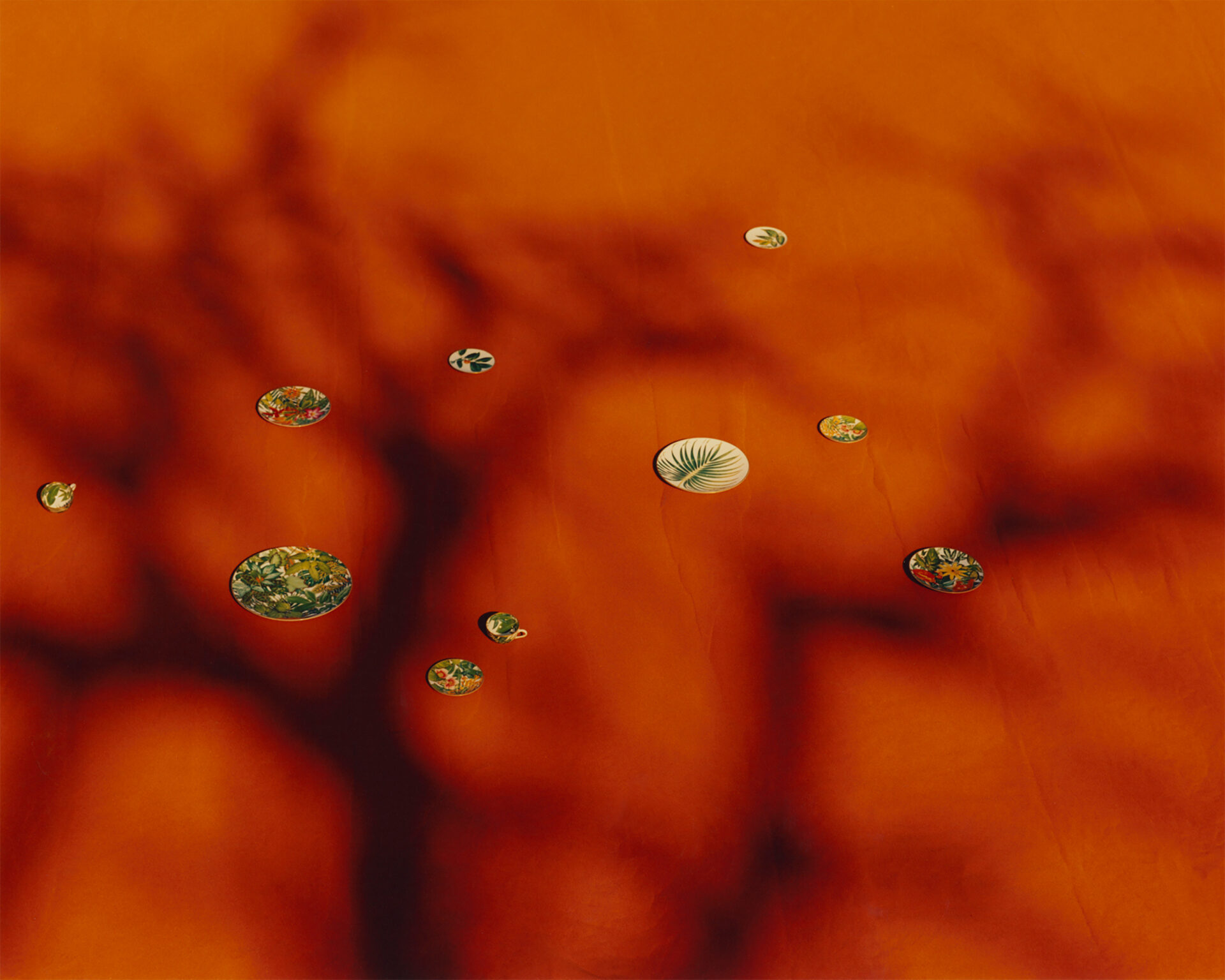
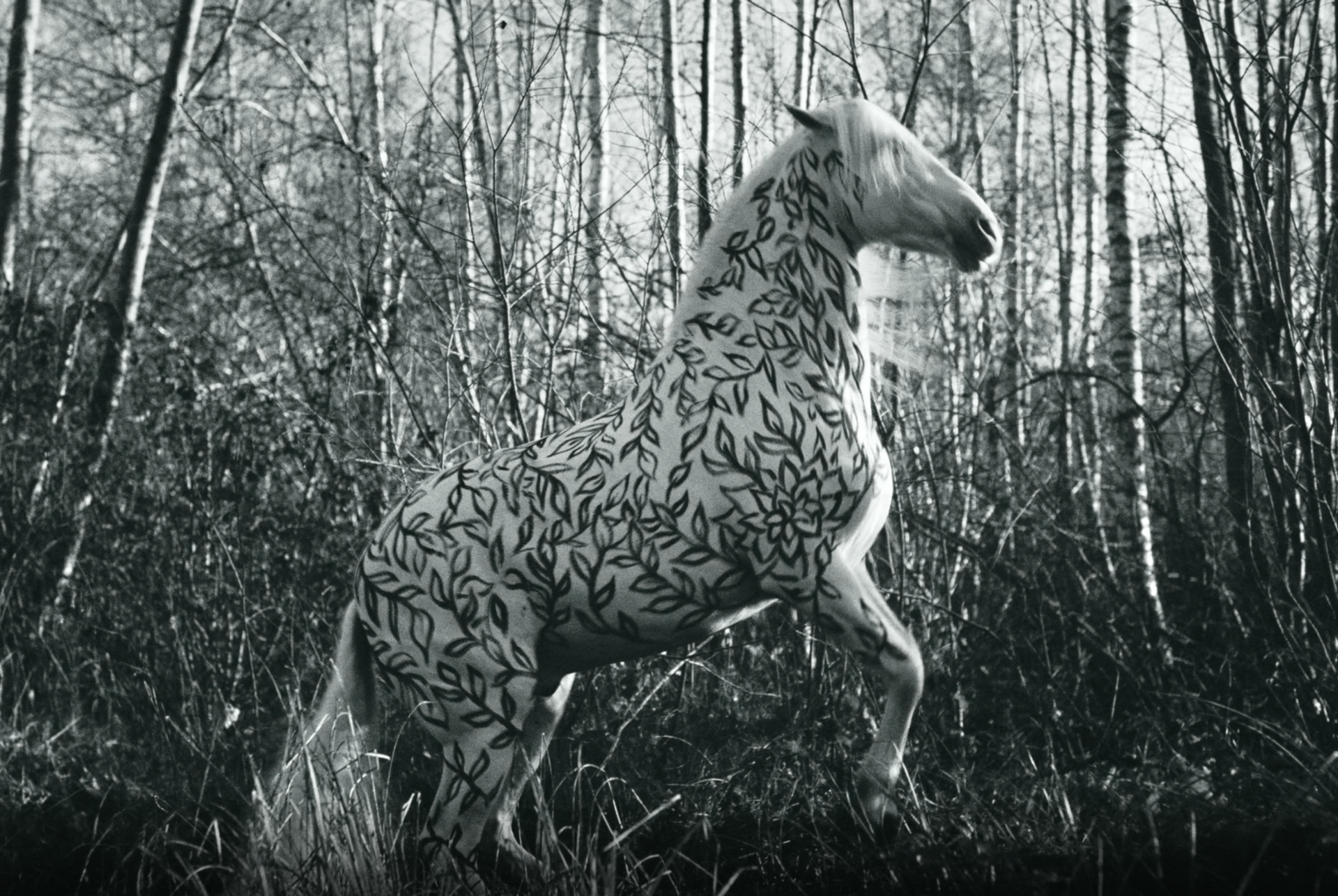
His approach to photography explores sculptural form, the surrounding world and a sensitive, in-depth investigation of human stories and character. Rooted in the authenticity of travel documentary, de Gueltzl’s fashion and still-life imagery embraces an otherworldly aesthetic, intertwining his interests in the environment and fine art. At the heart of his practice is an empathetic approach to celebrate the cultures, communities and landscapes he encounters, as well as the exercise of creating new structures to capture fashion within.
Meanwhile, de Gueltzl continues to develop his design practice. He most recently completed an animated video of Bob Marley’s ‘Redemption Song,’ commissioned by the Marley family to mark what would have been his 75th birthday.
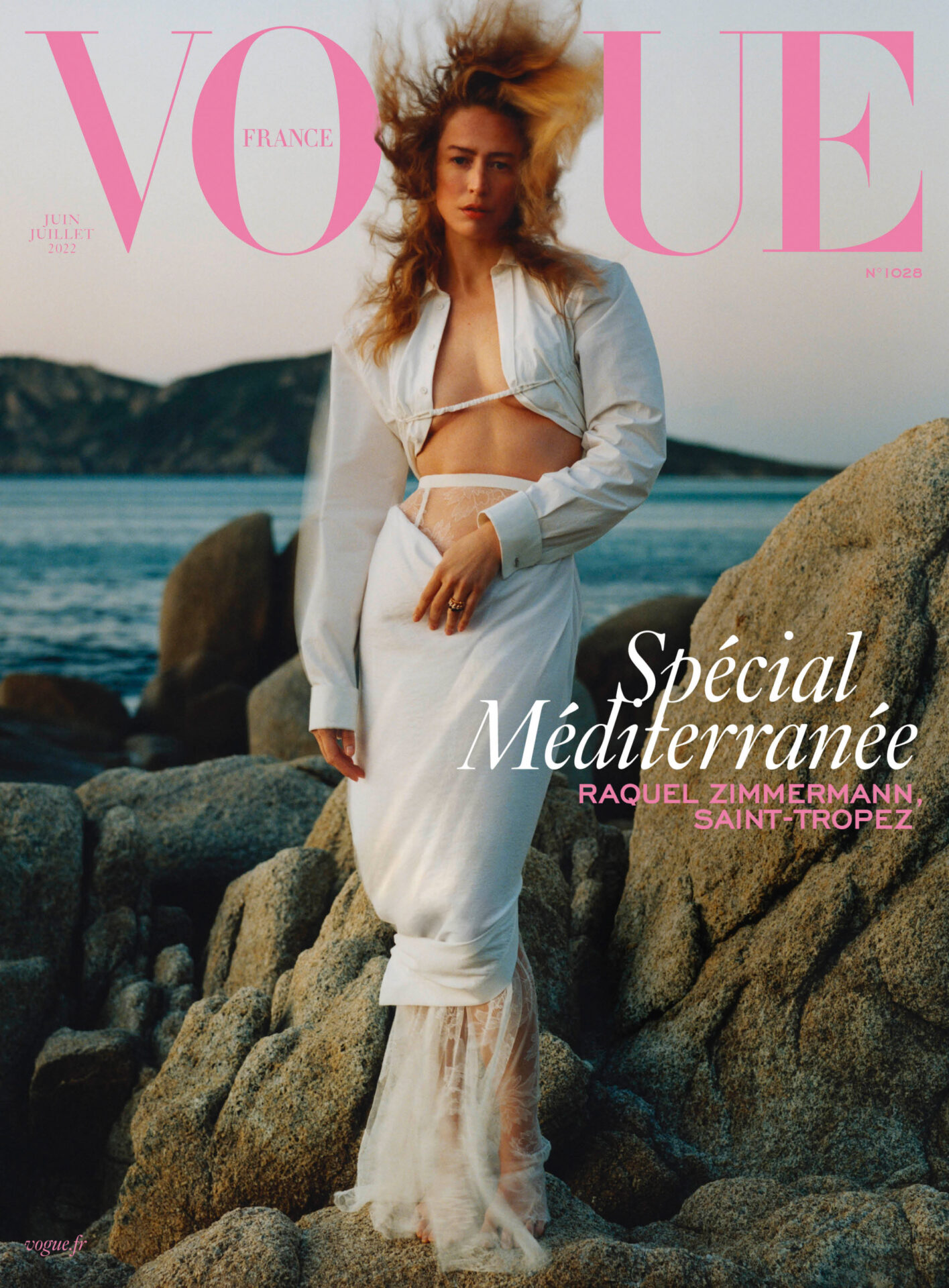
Amongst many solo and group exhibitions, de Gueltzl has exhibited at Red Hook labs in New York as part of their new artists show in 2017. In October 2020, he exhibited a new series of personal work taken in Los Angeles on the cusp of the Covid-19 lockdown. He is regularly published by Vogue France, Vogue US, M Le magazine du Monde, AnOther, and More or Less, and includes Hermès and Louis Vuitton amongst his commissioned work.
Originally from Paris, Théo de Gueltzl studied at Central Saint Martins in London, graduating in 2014. Initially focusing on fine art, he developed a long-standing partnership with Hermès, contributing intricate drawings for their textile designs. Documenting his travels through photography became a parallel obsession.
His approach to photography explores sculptural form, the surrounding world and a sensitive, in-depth investigation of human stories and character. Rooted in the authenticity of travel documentary, de Gueltzl’s fashion and still-life imagery embraces an otherworldly aesthetic, intertwining his interests in the environment and fine art. At the heart of his practice is an empathetic approach to celebrate the cultures, communities and landscapes he encounters, as well as the exercise of creating new structures to capture fashion within.
Meanwhile, de Gueltzl continues to develop his design practice. He most recently completed an animated video of Bob Marley’s ‘Redemption Song,’ commissioned by the Marley family to mark what would have been his 75th birthday.
Amongst many solo and group exhibitions, de Gueltzl has exhibited at Red Hook labs in New York as part of their new artists show in 2017. In October 2020, he exhibited a new series of personal work taken in Los Angeles on the cusp of the Covid-19 lockdown. He is regularly published by Vogue France, Vogue US, M Le magazine du Monde, AnOther, and More or Less, and includes Hermès and Louis Vuitton amongst his commissioned work.





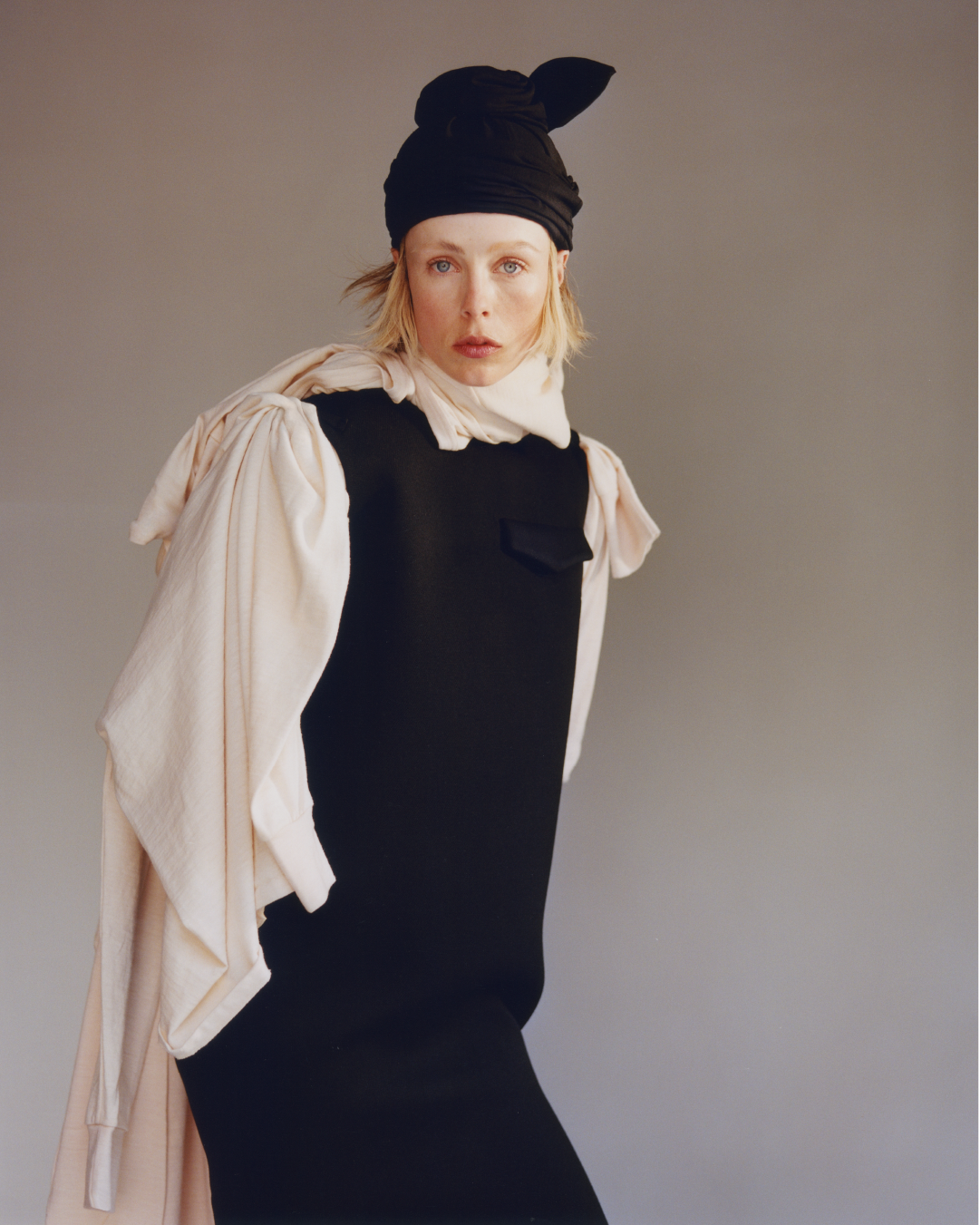
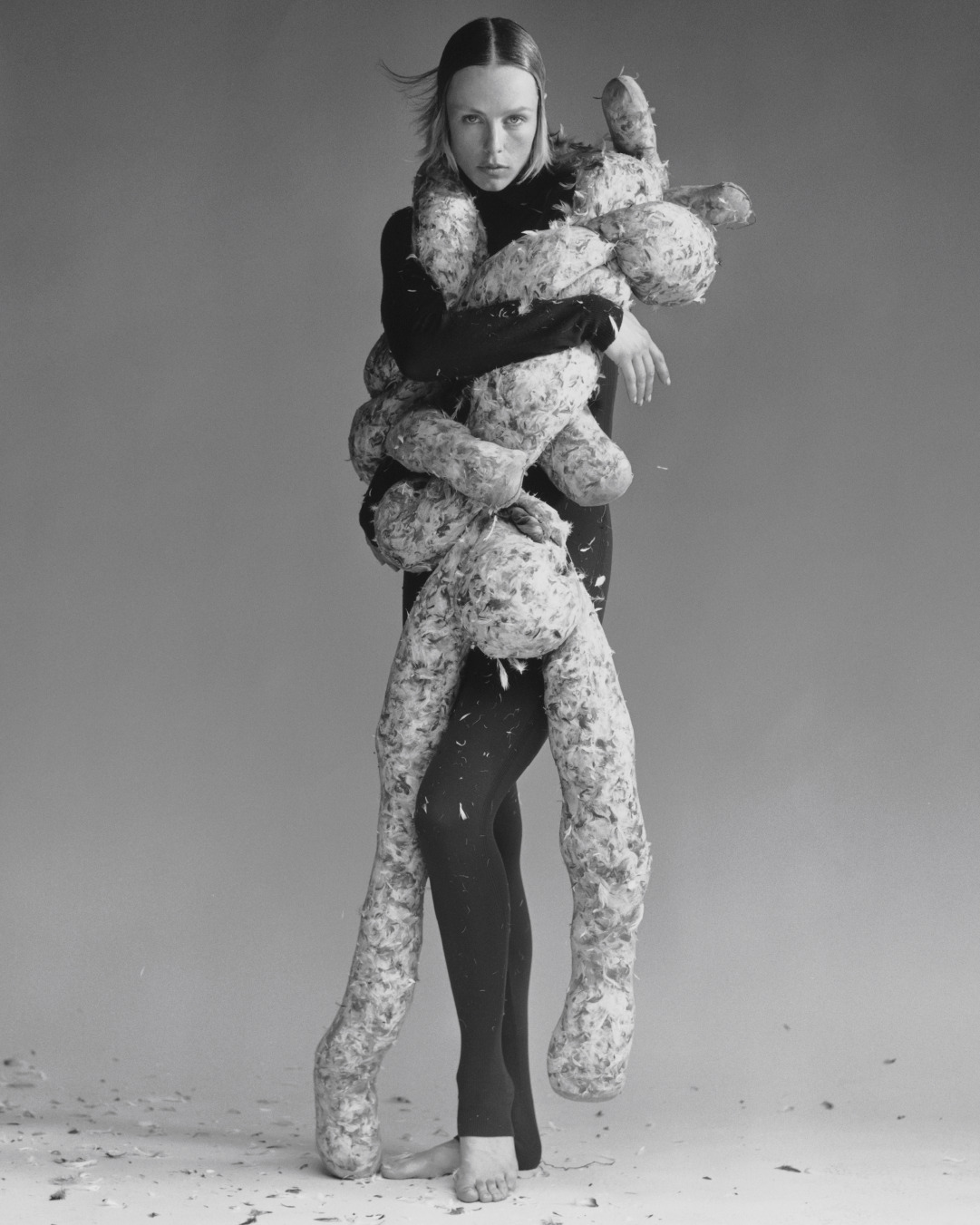
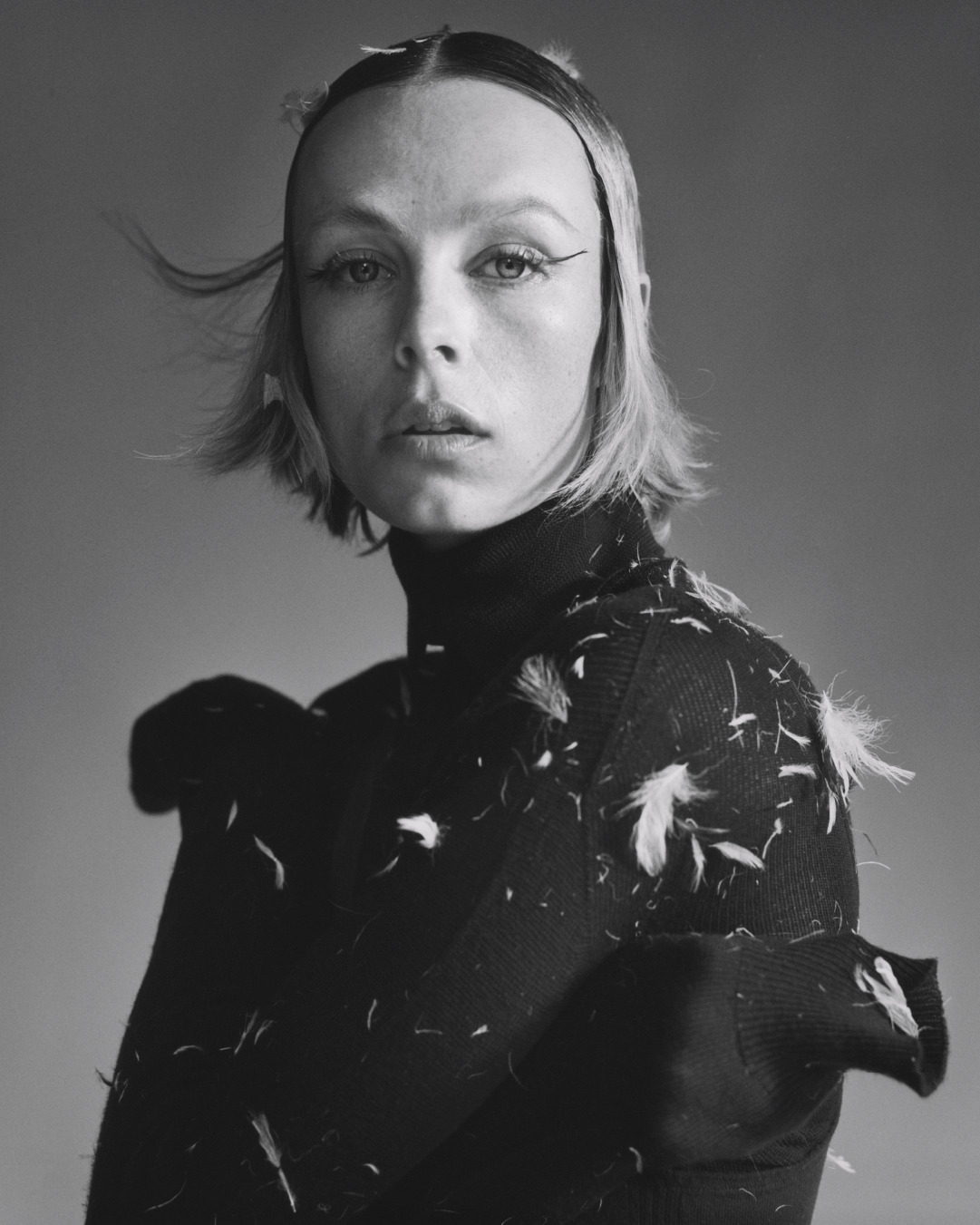
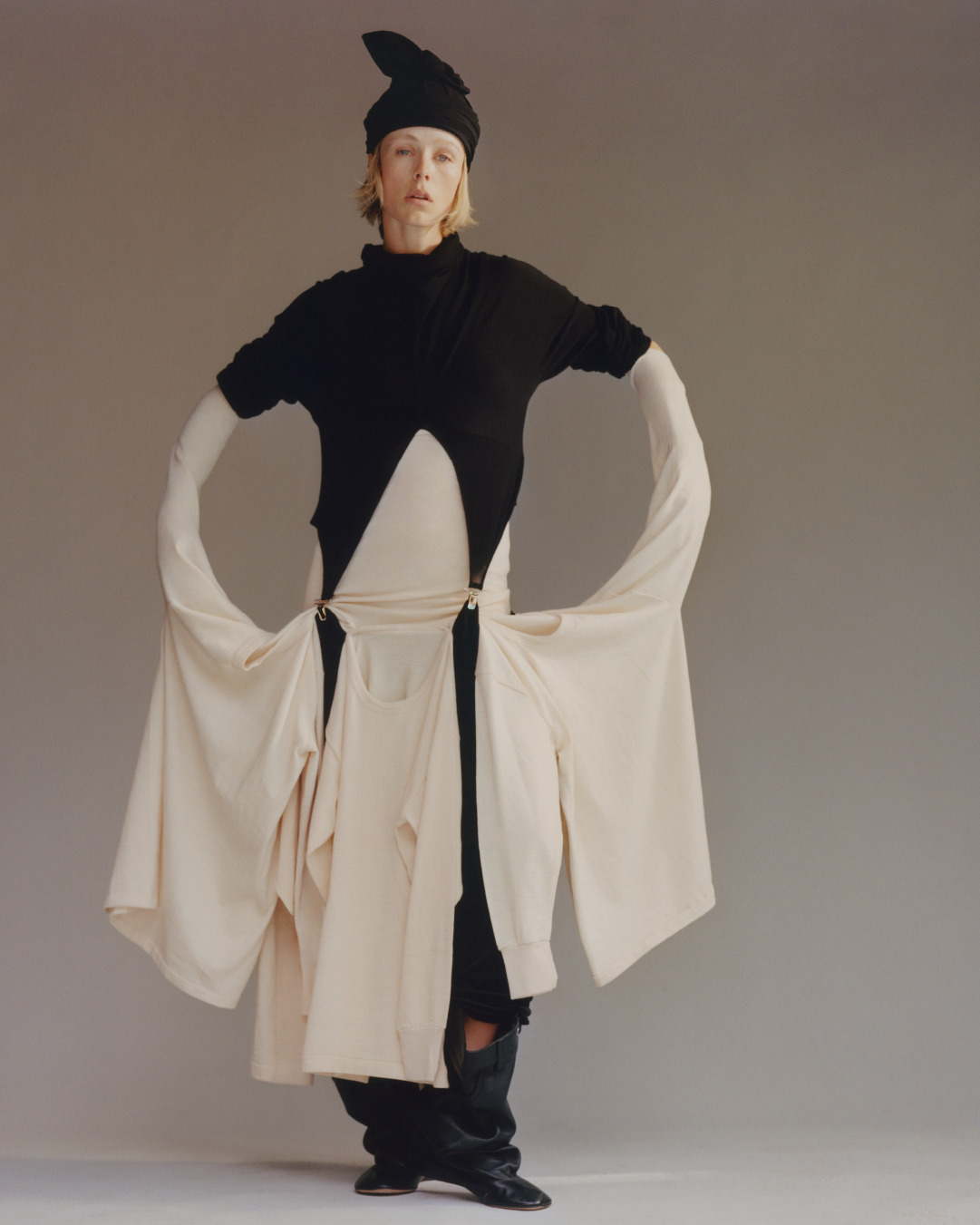
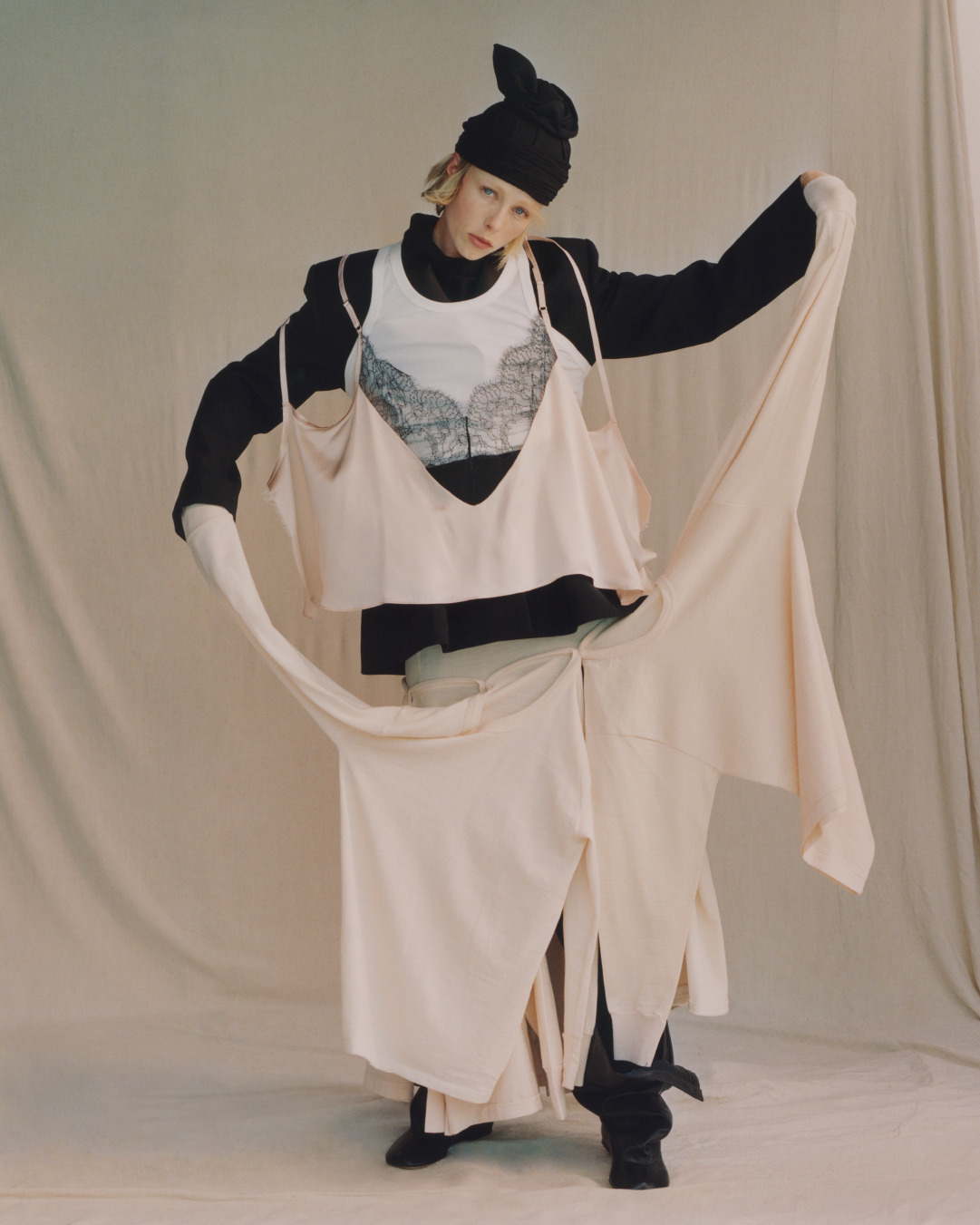
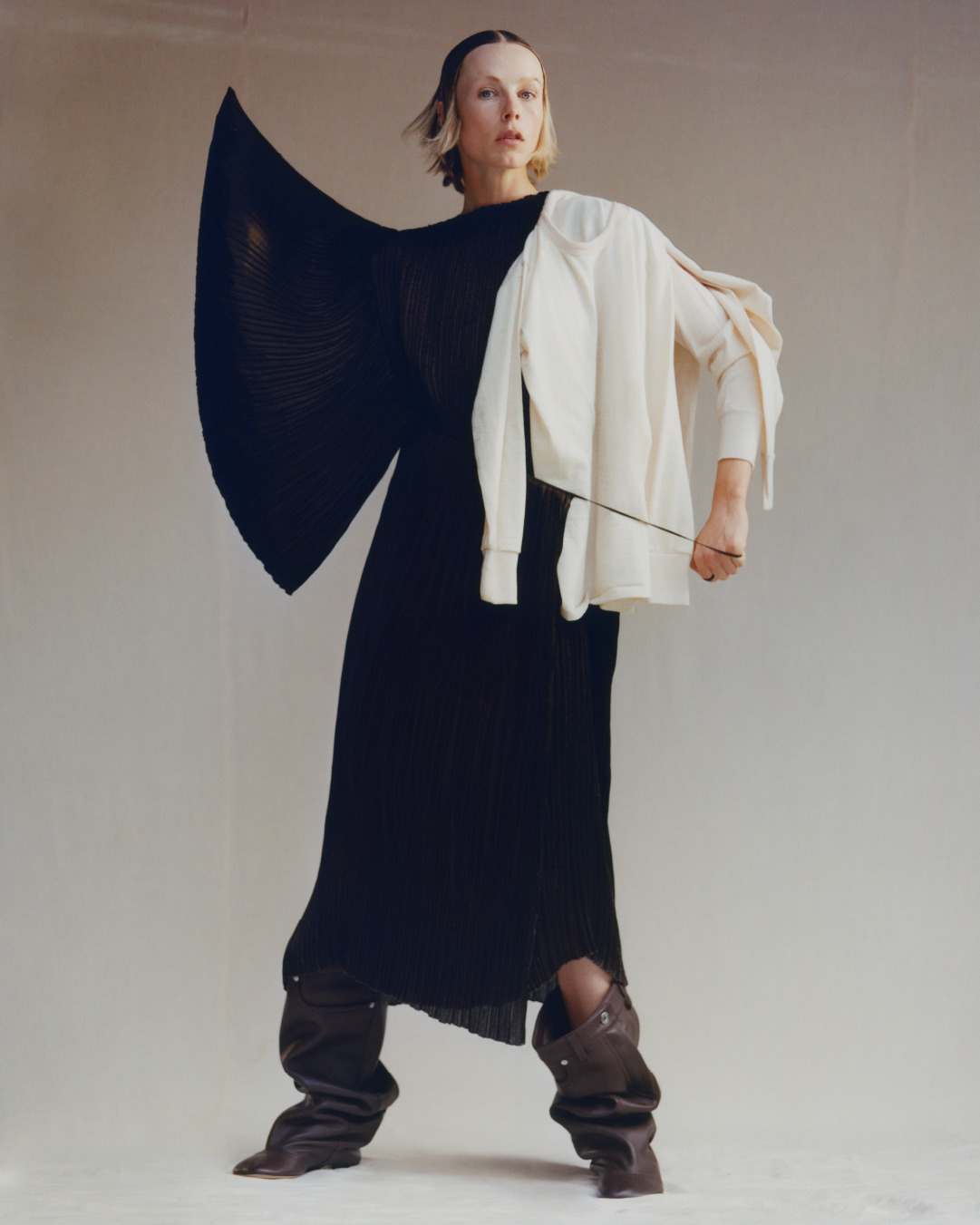
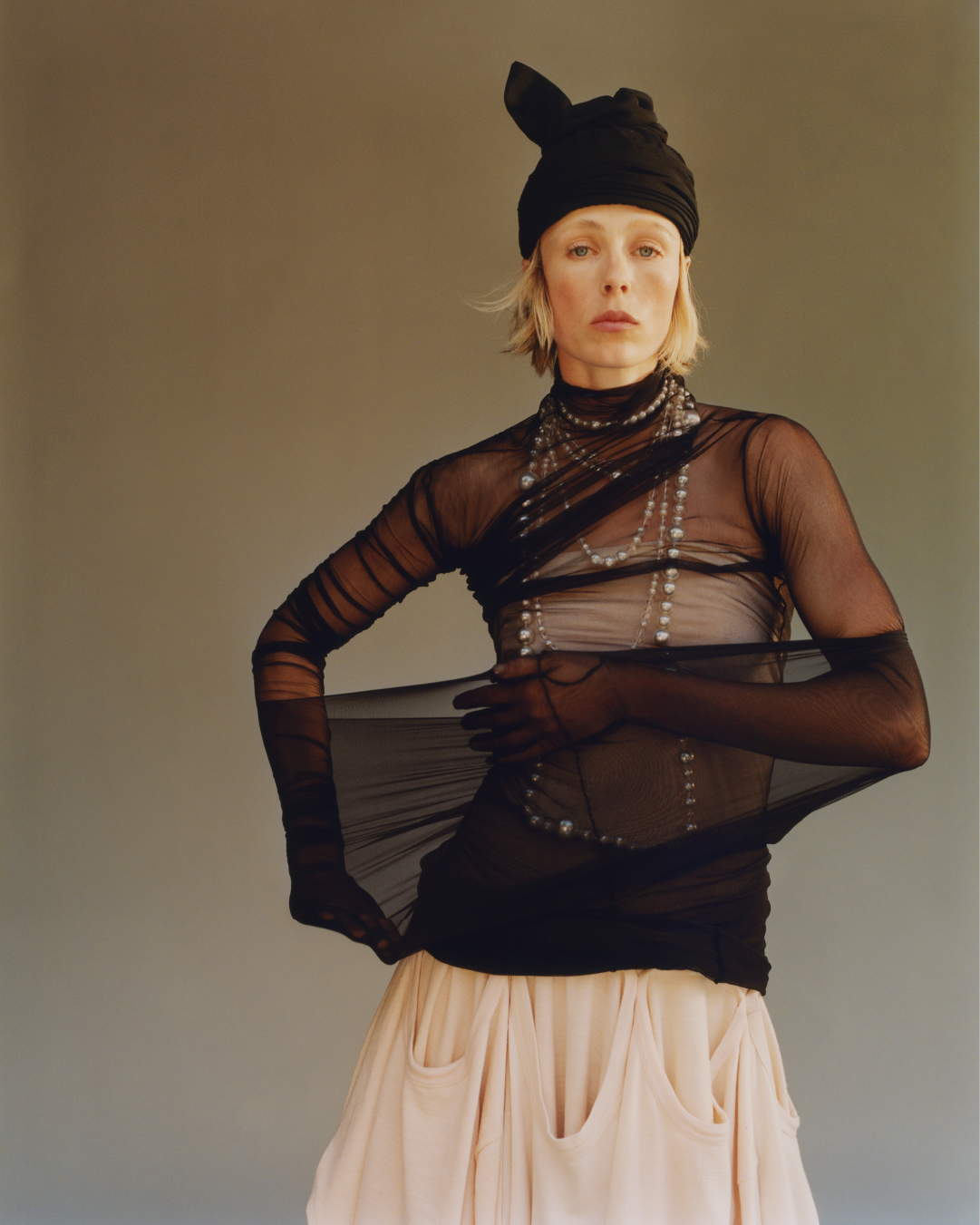
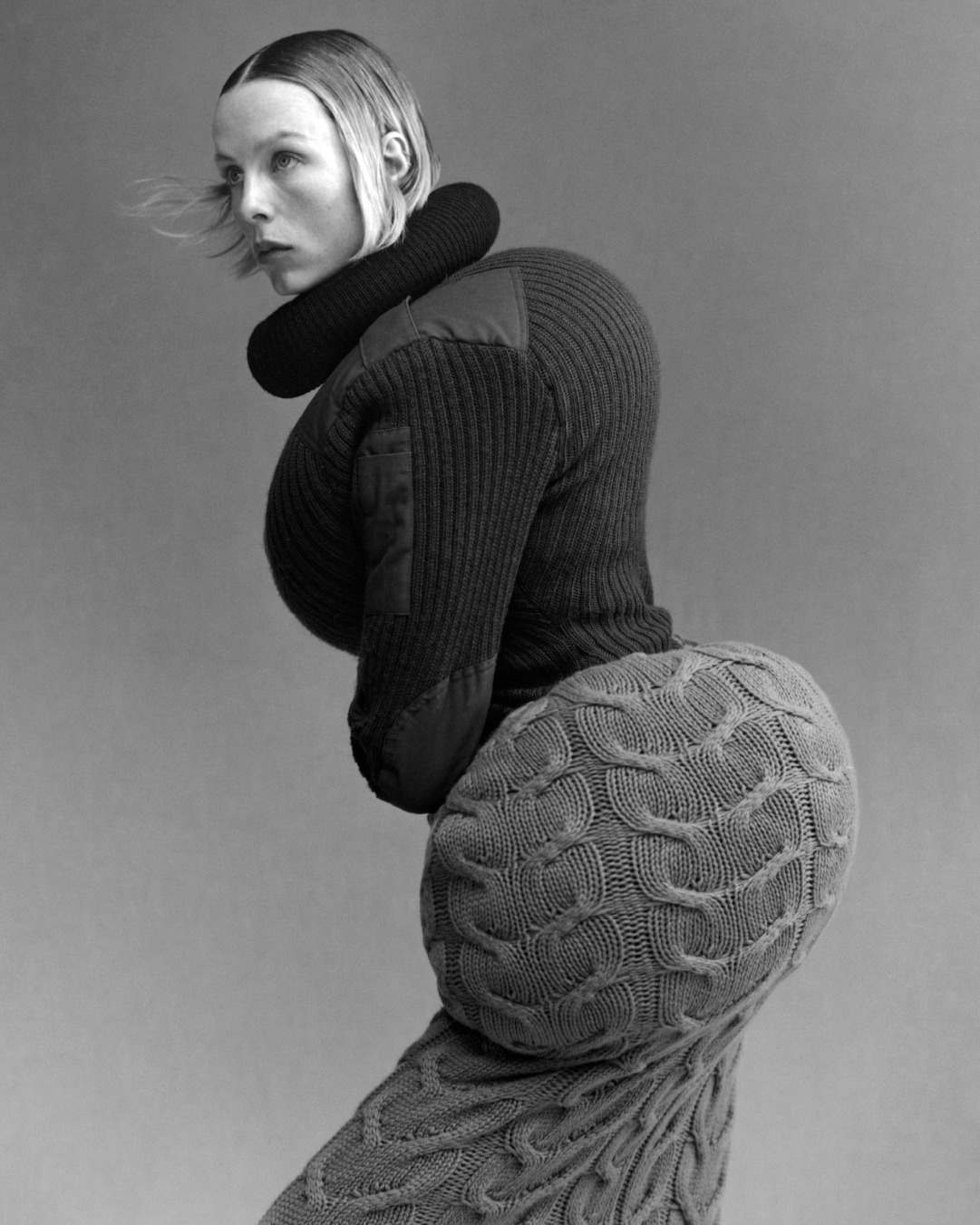


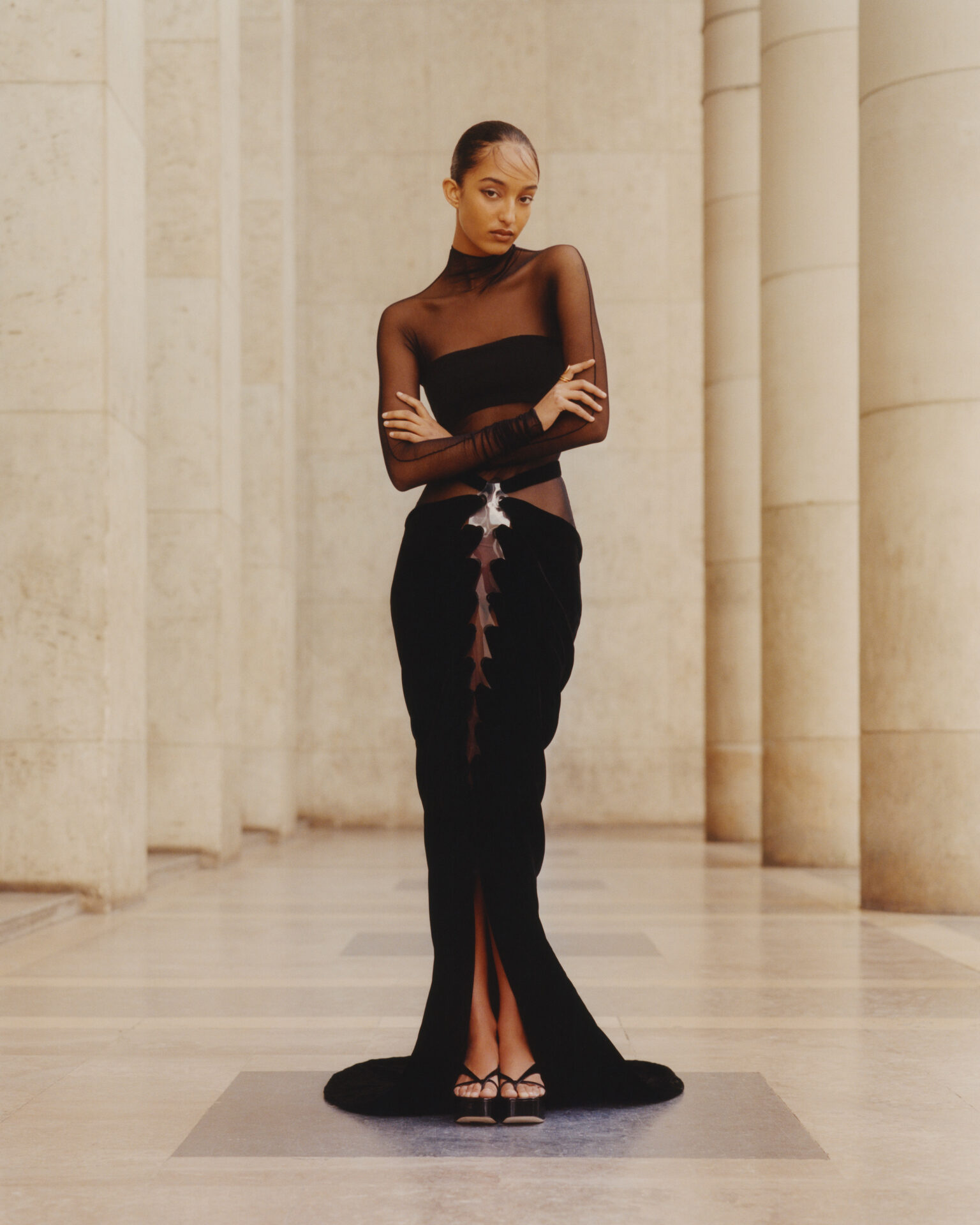


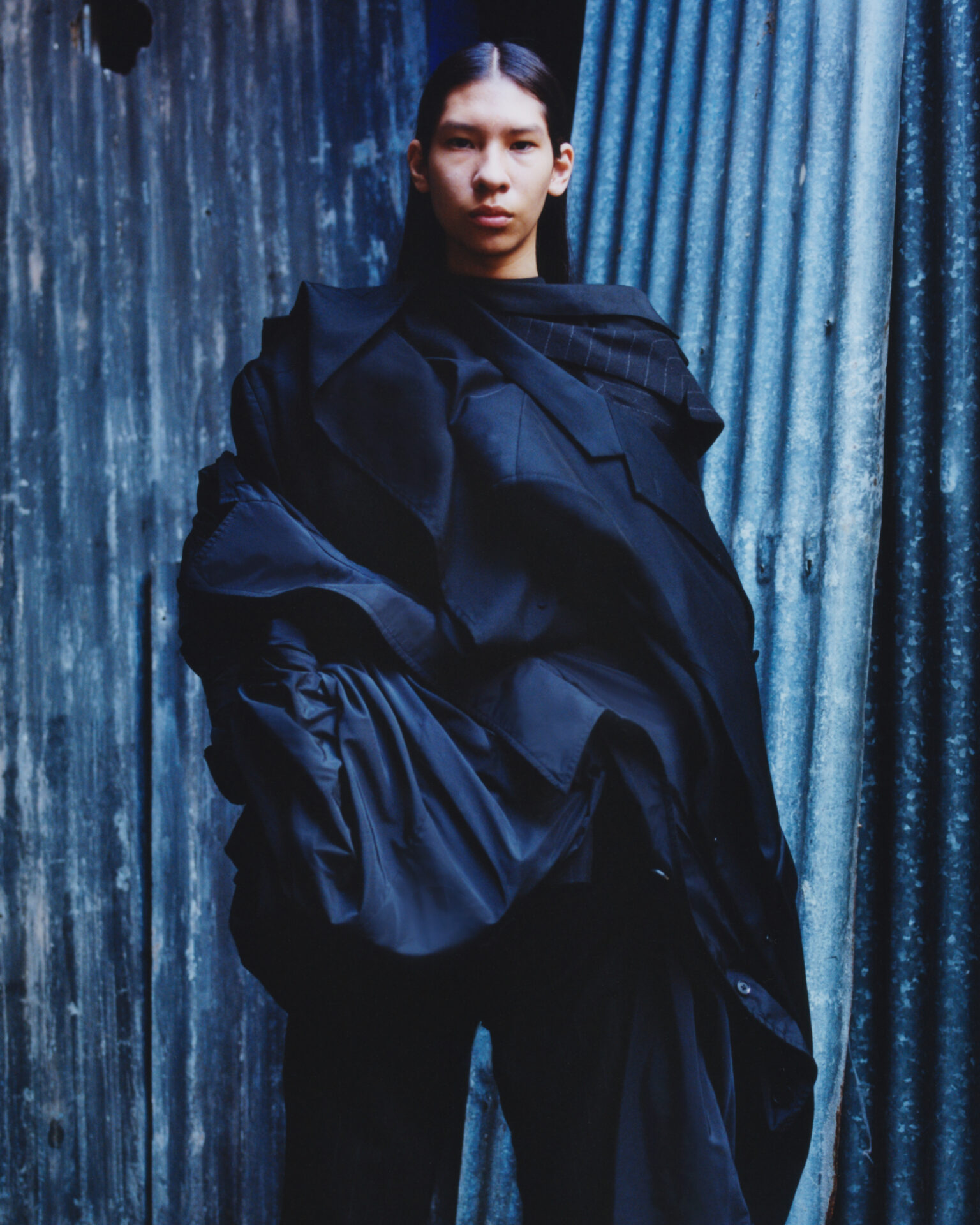


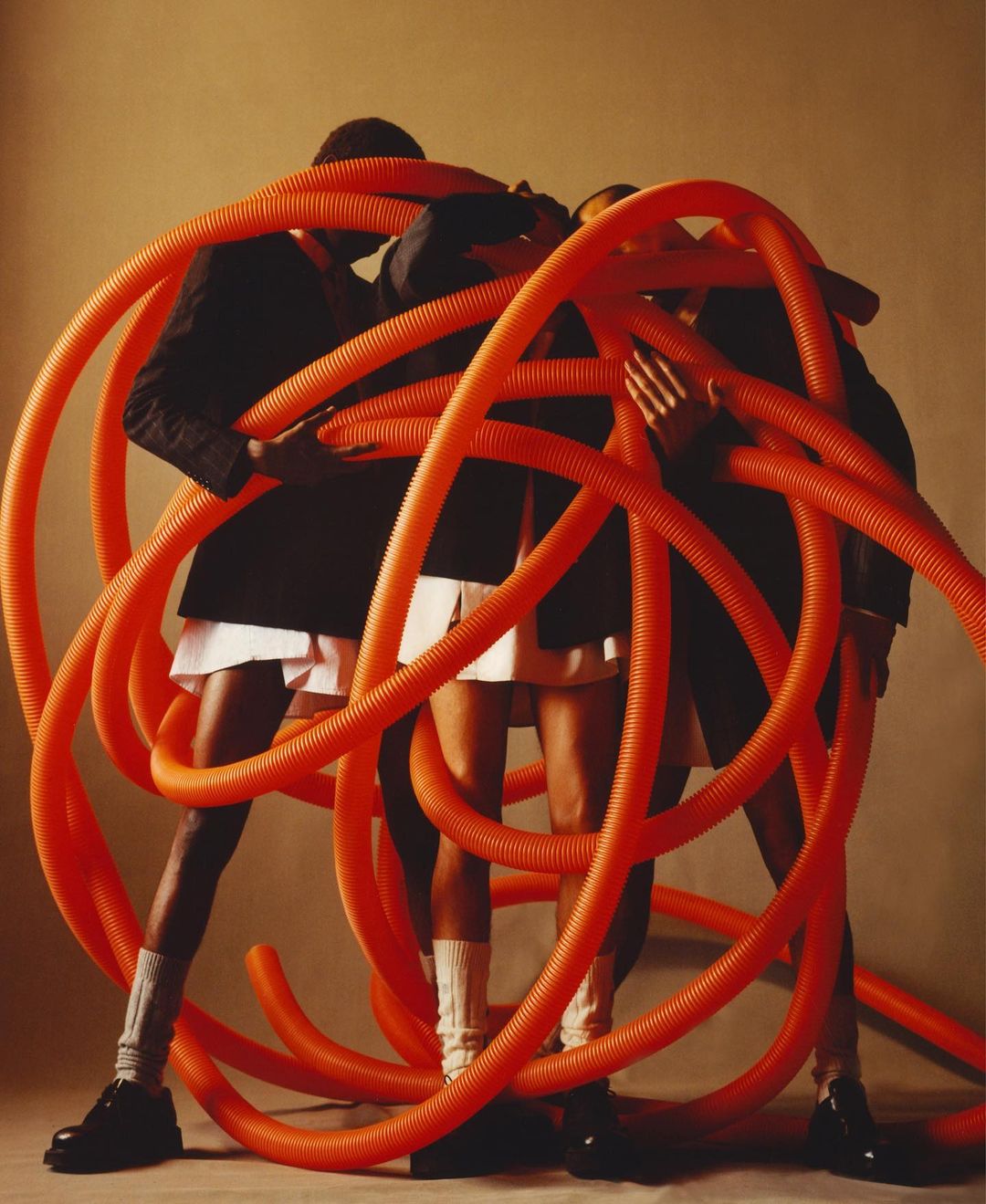


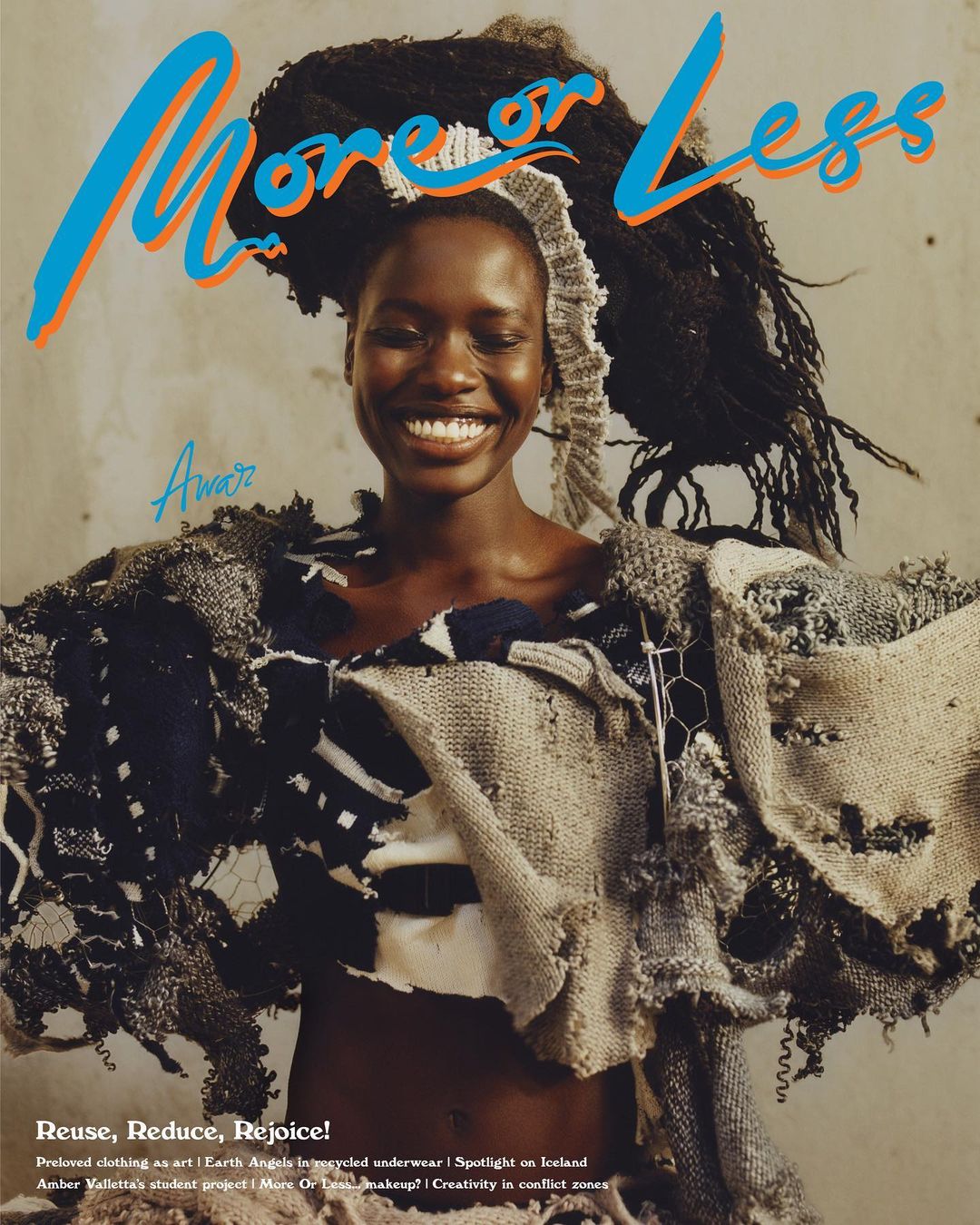






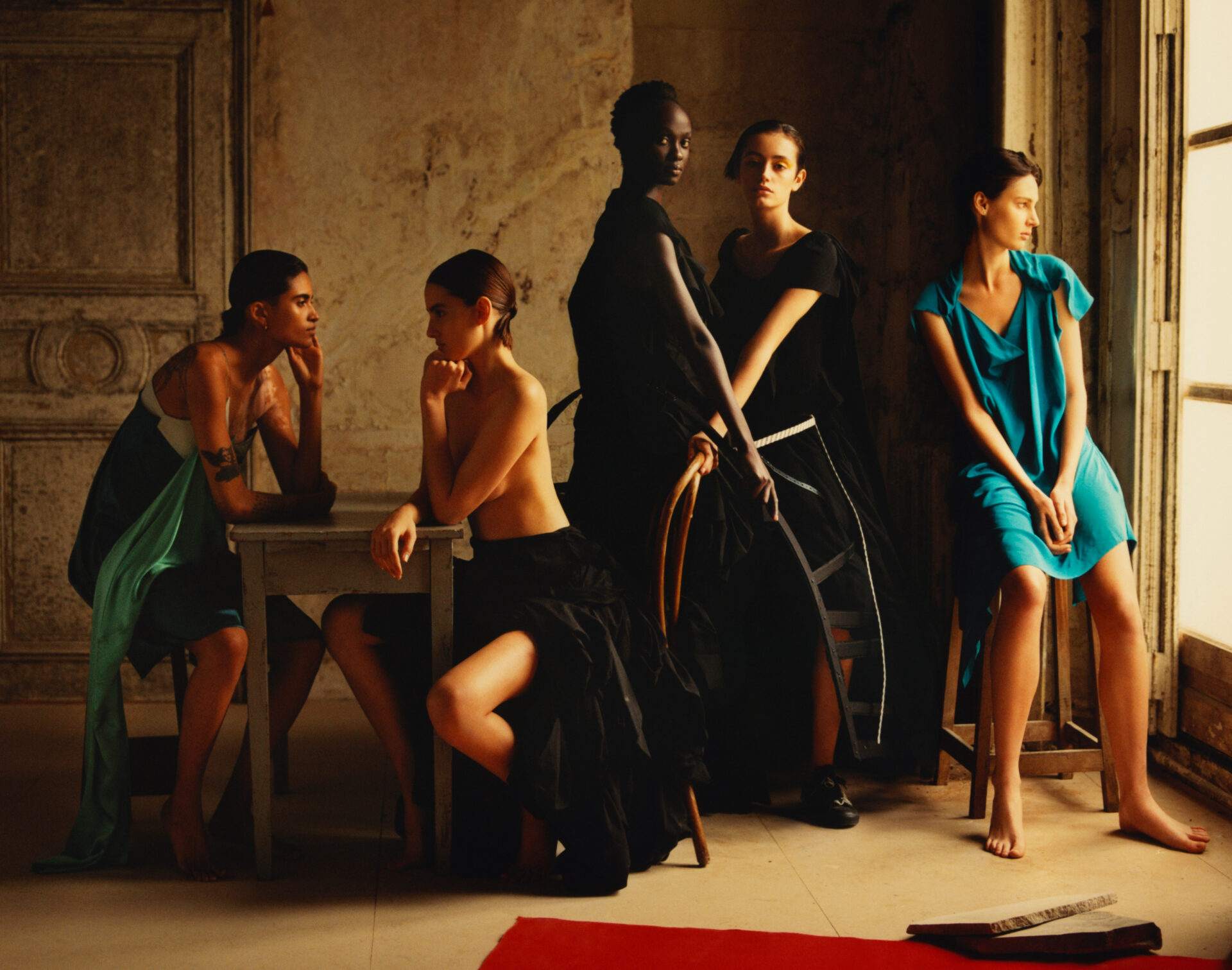


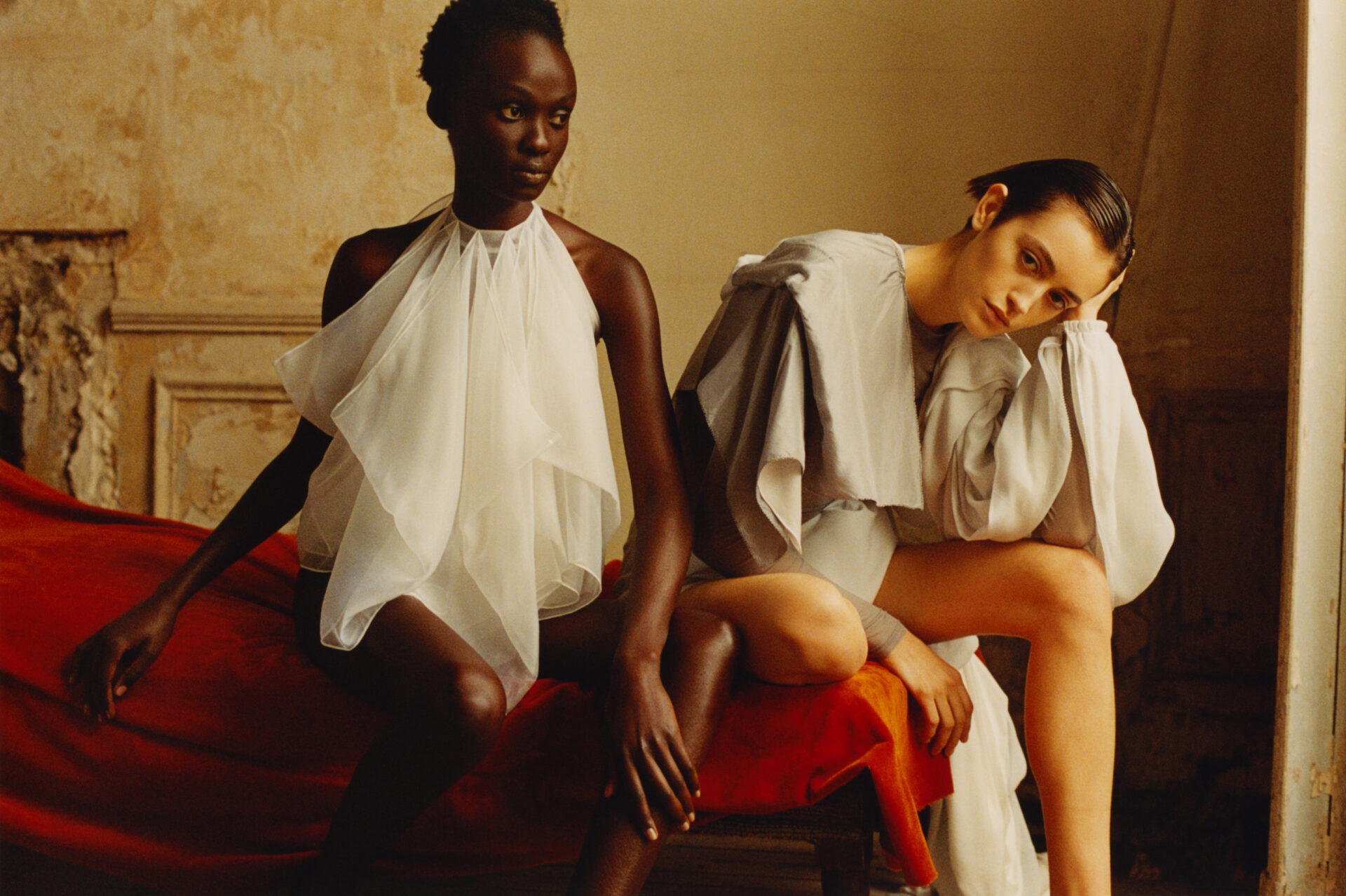
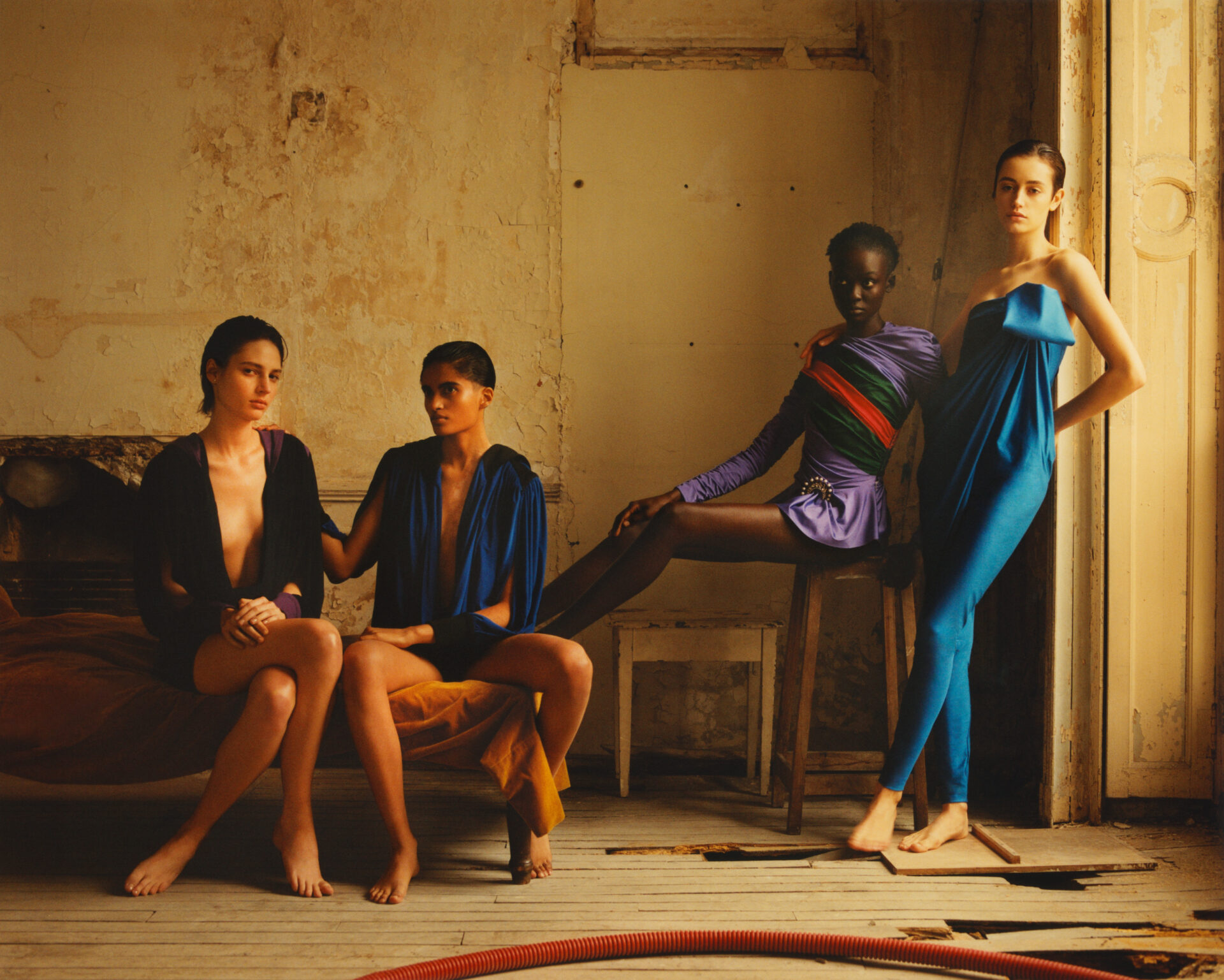
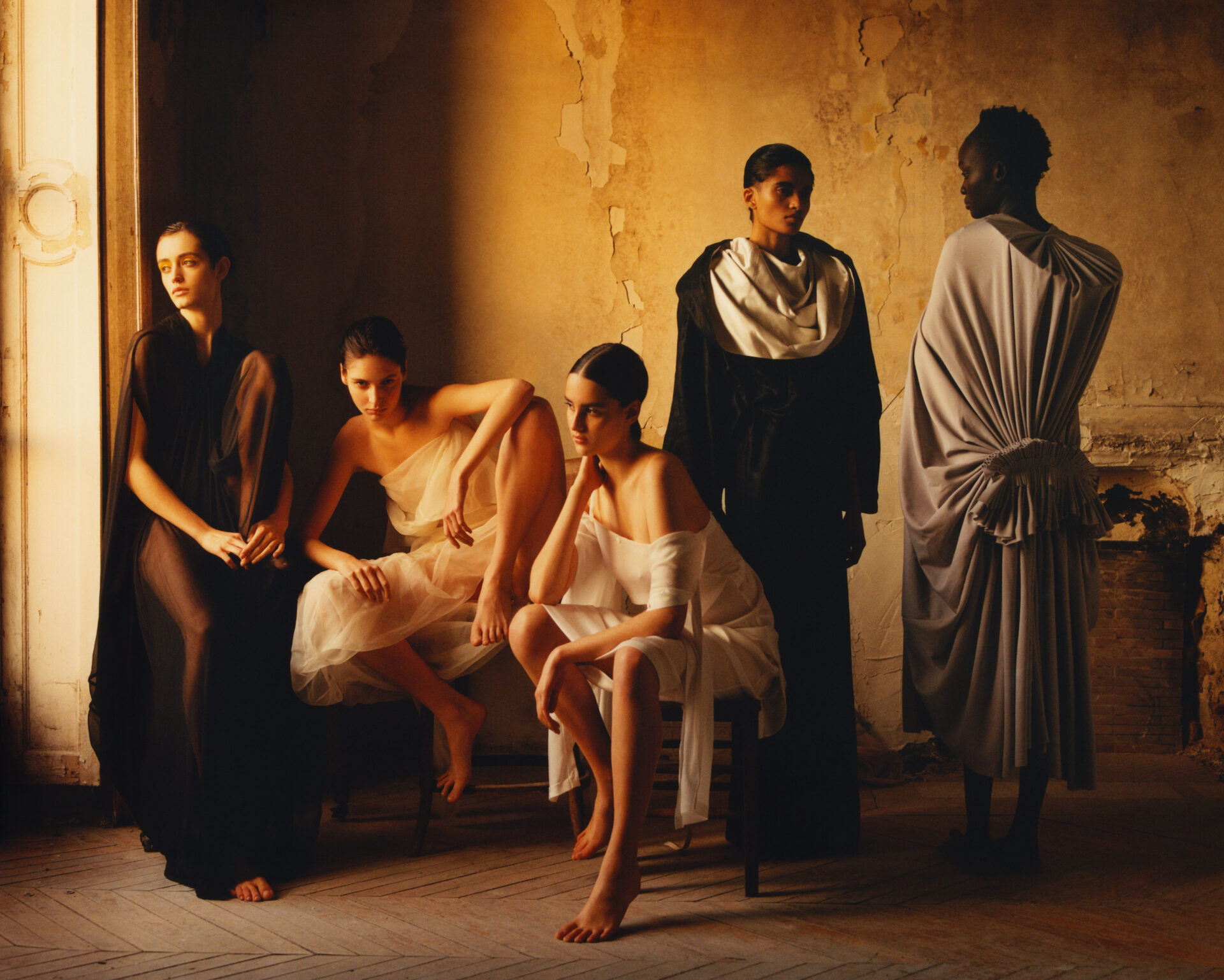


“I see photography as an intuitive and direct way to express myself. It is first a passion, a language, something part of my quotidien life. Photographs allow me to tell a story without words, to express my emotions without explanation, to create a second layer of reality.”





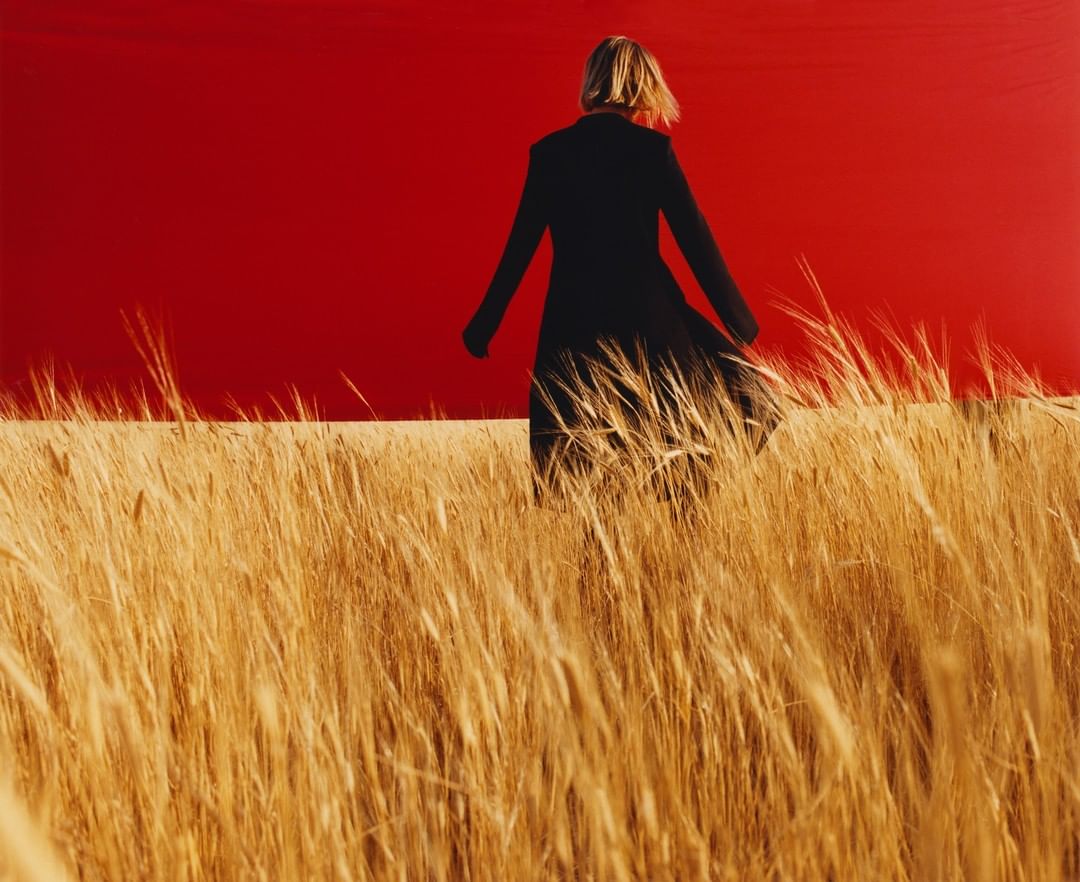


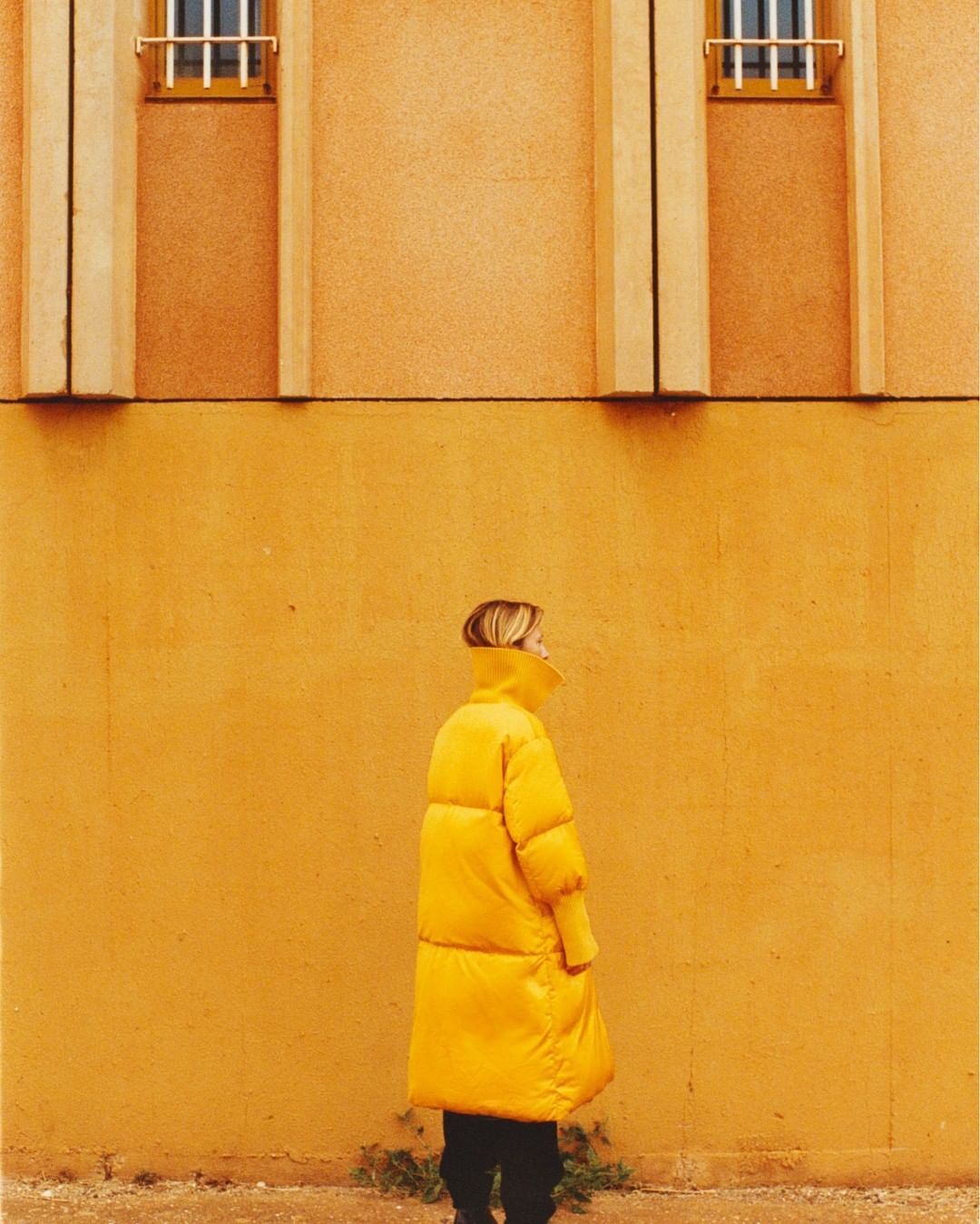
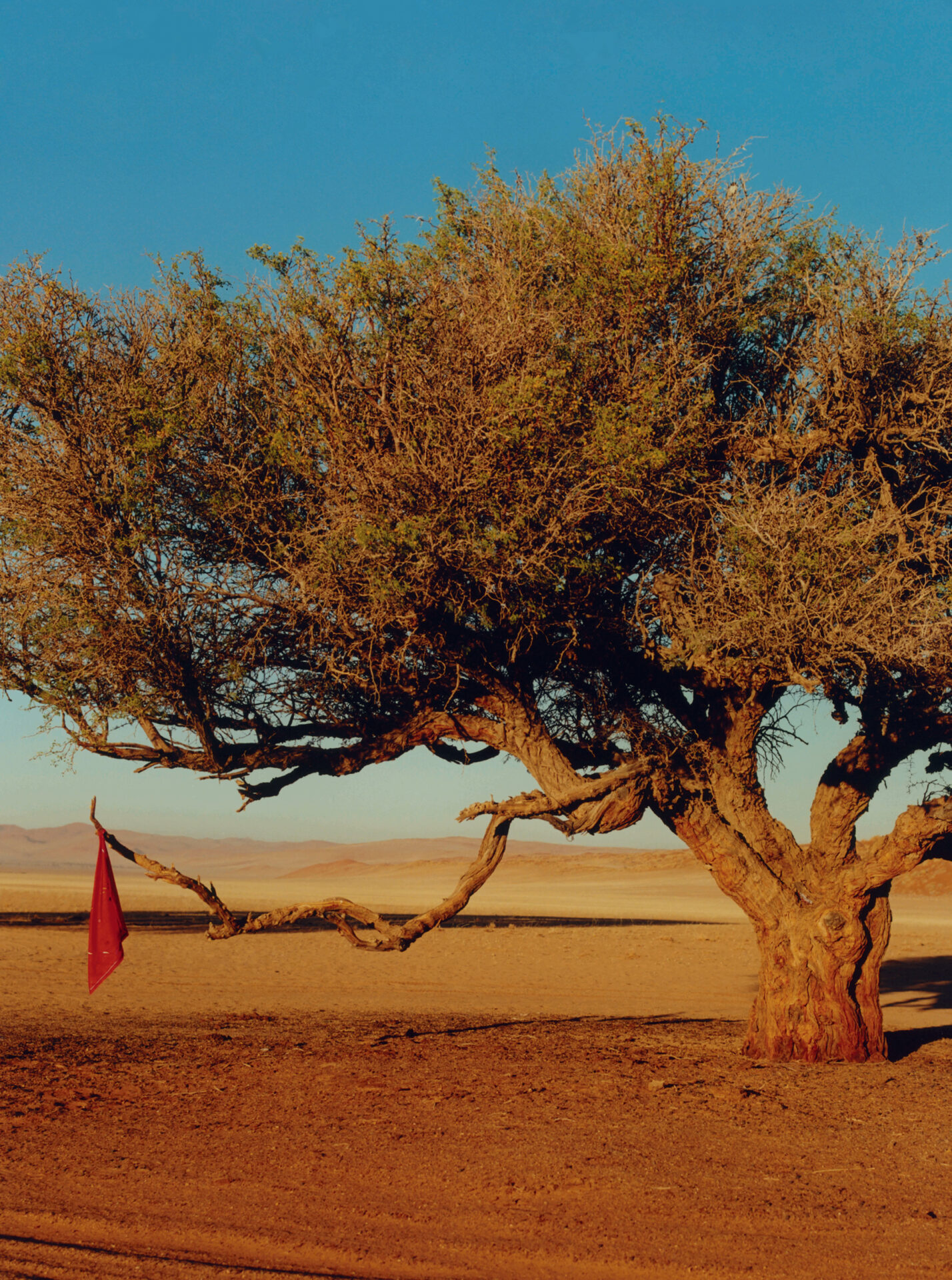


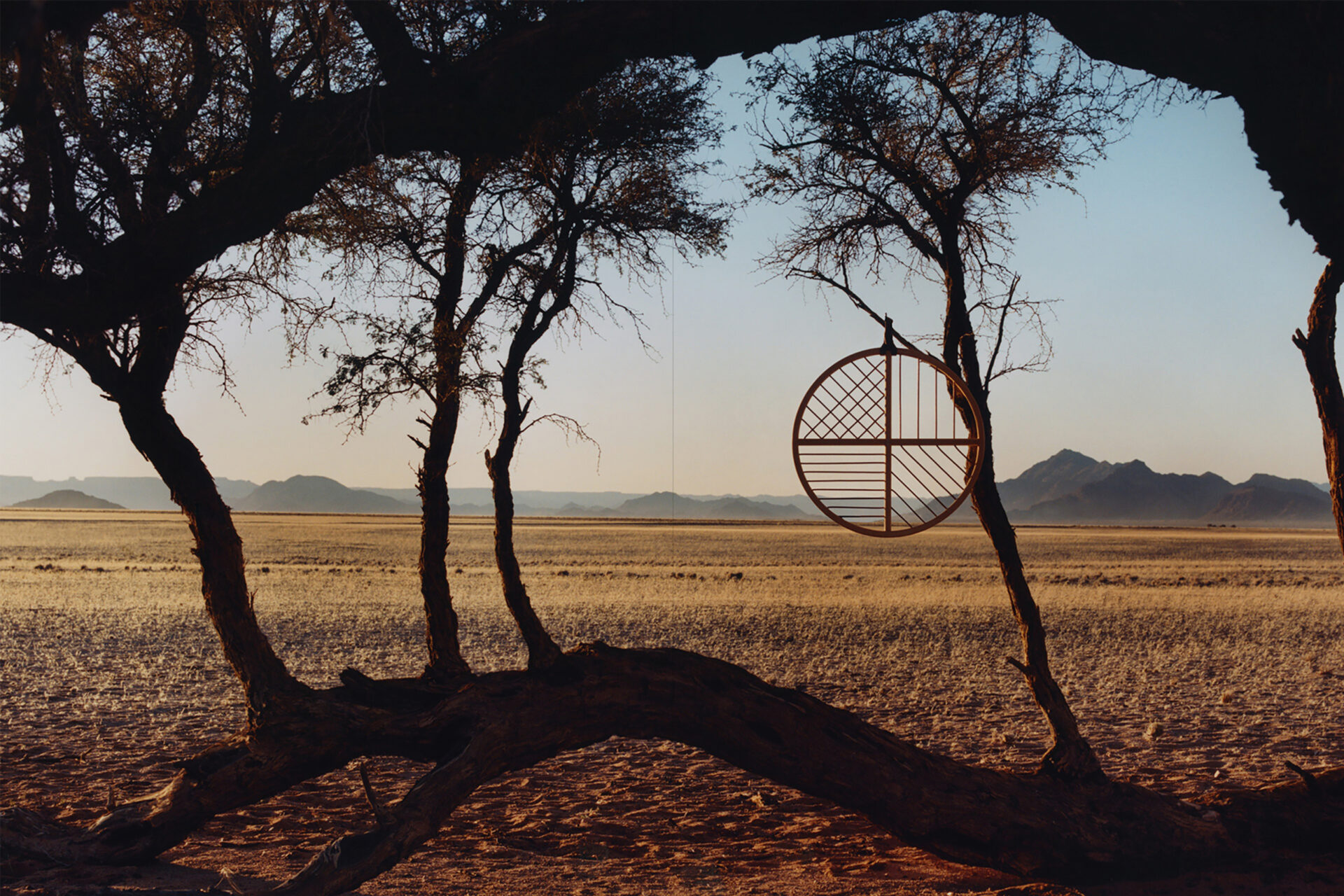
“The images are simple yet poetic, drawing on the inherent power of natural landscapes to encourage thought, reflection and, hopefully, action.”




HERMÈS SCARF DESIGNS
Hermès
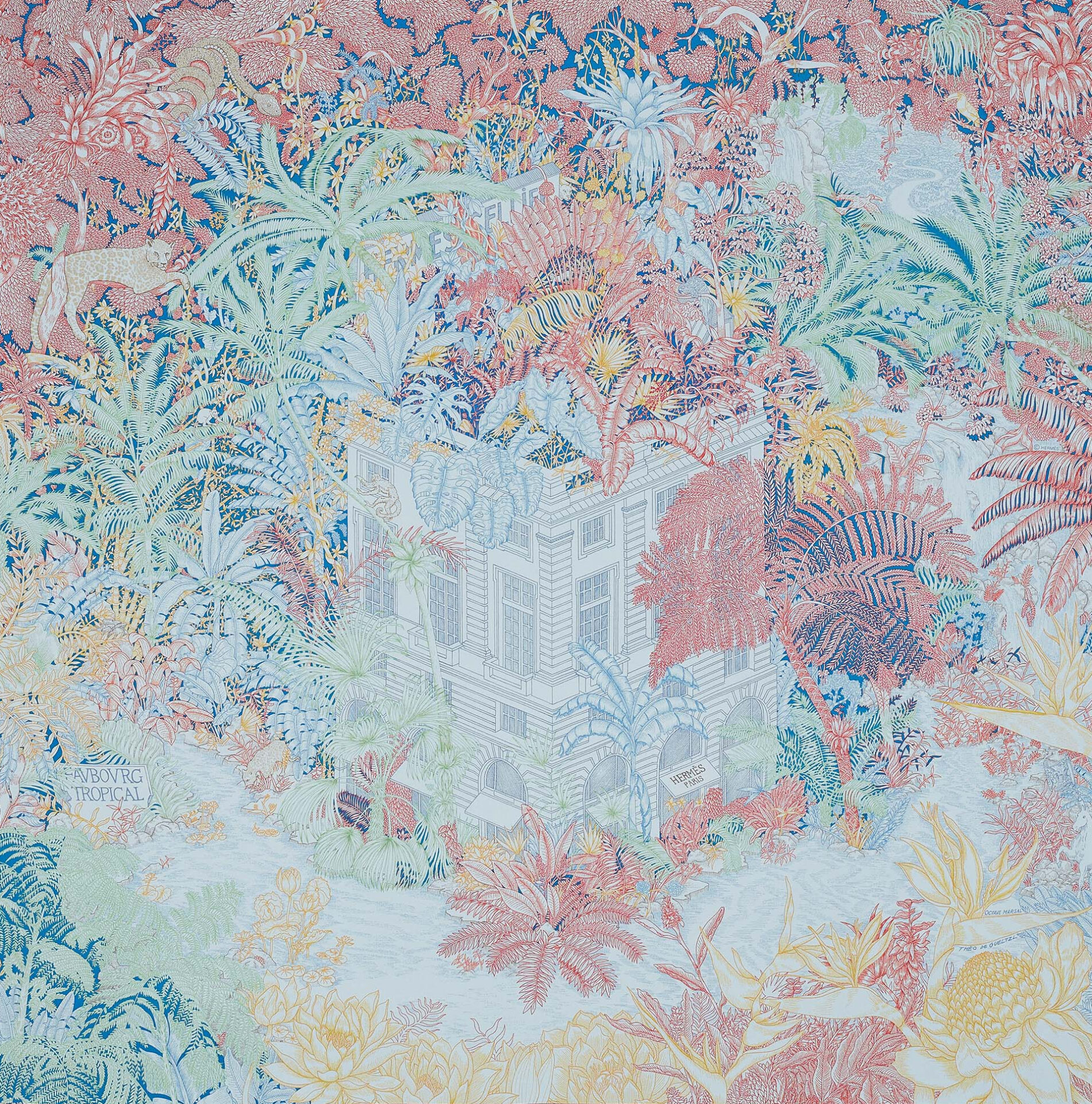
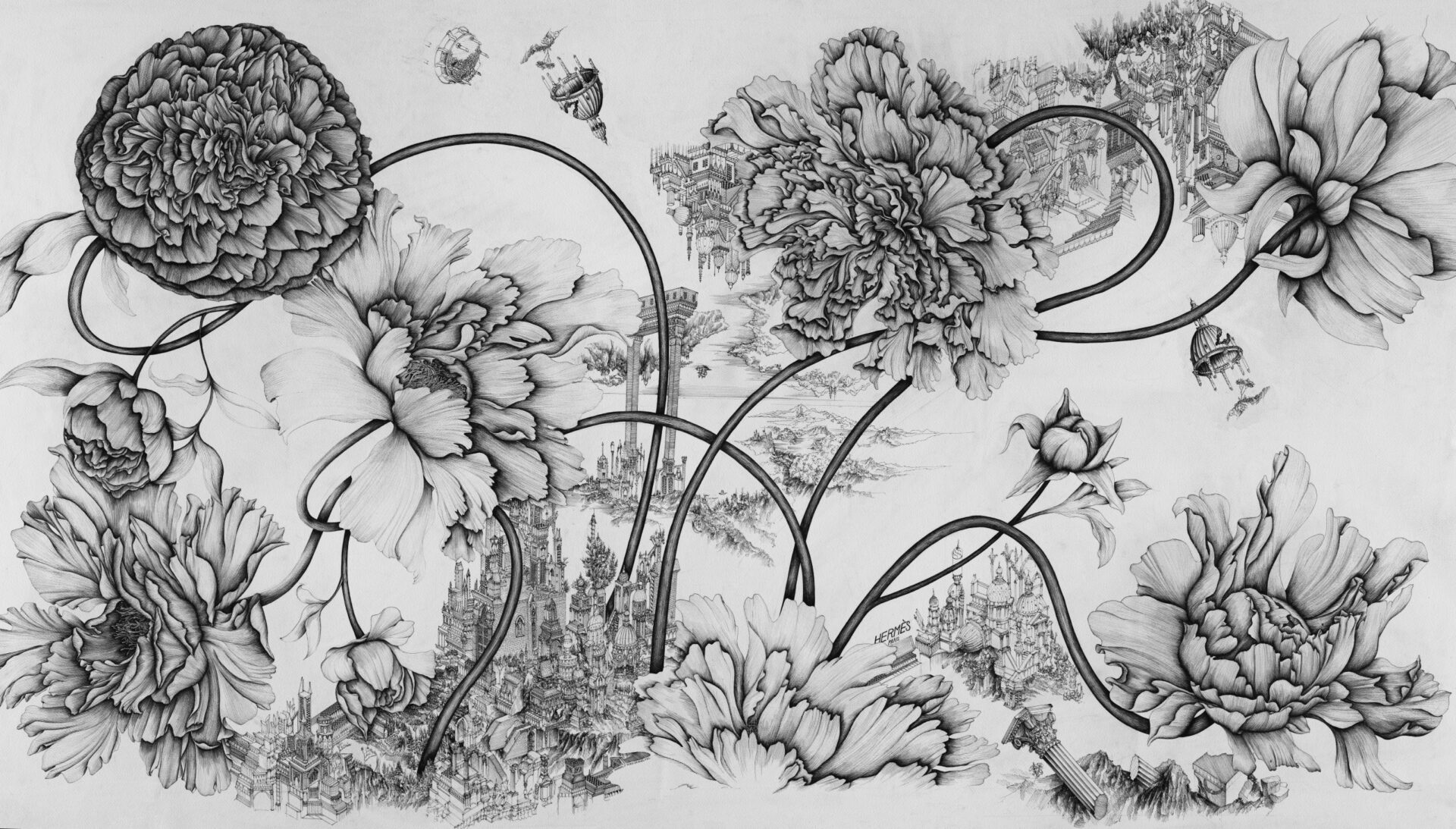
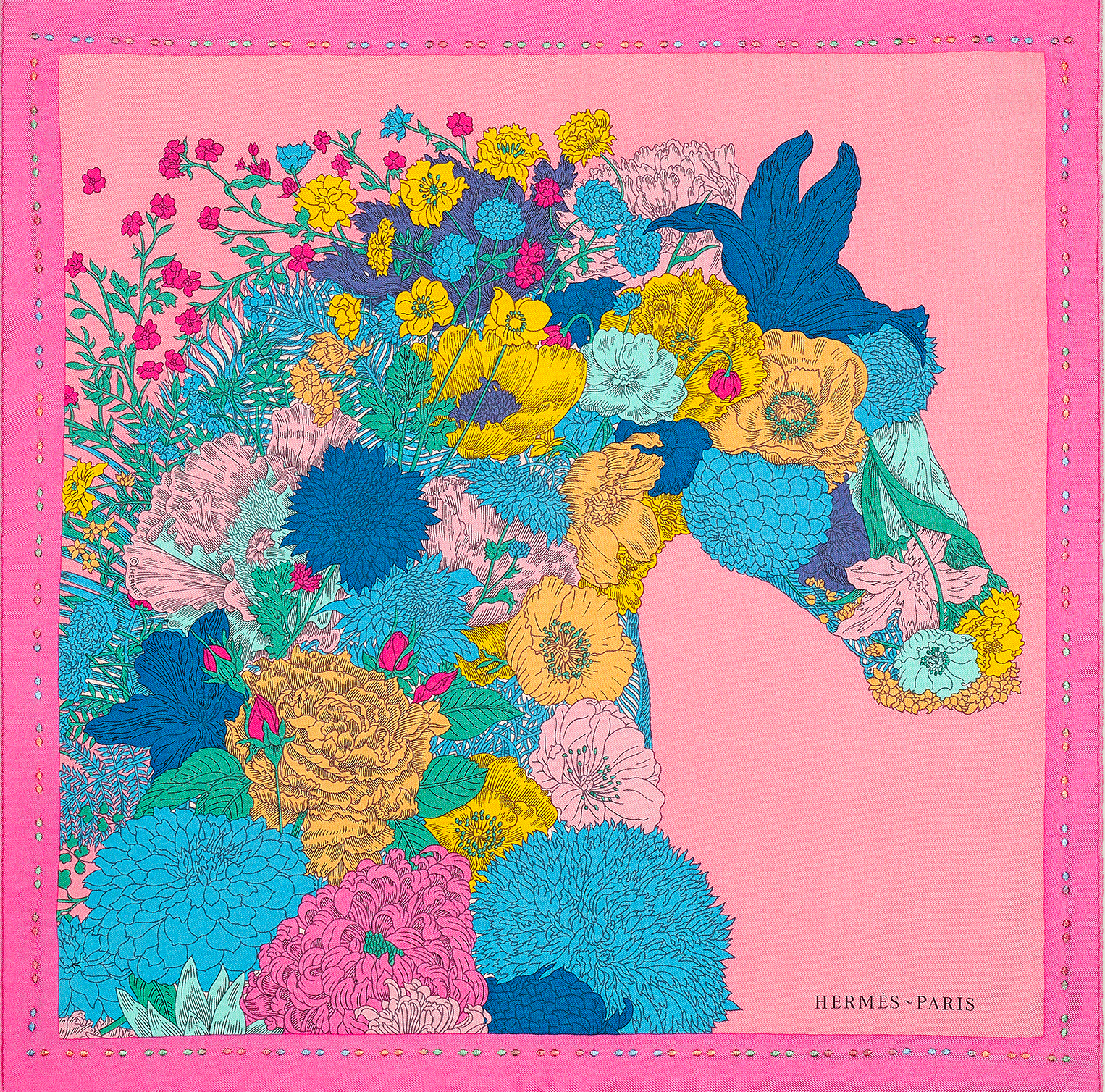
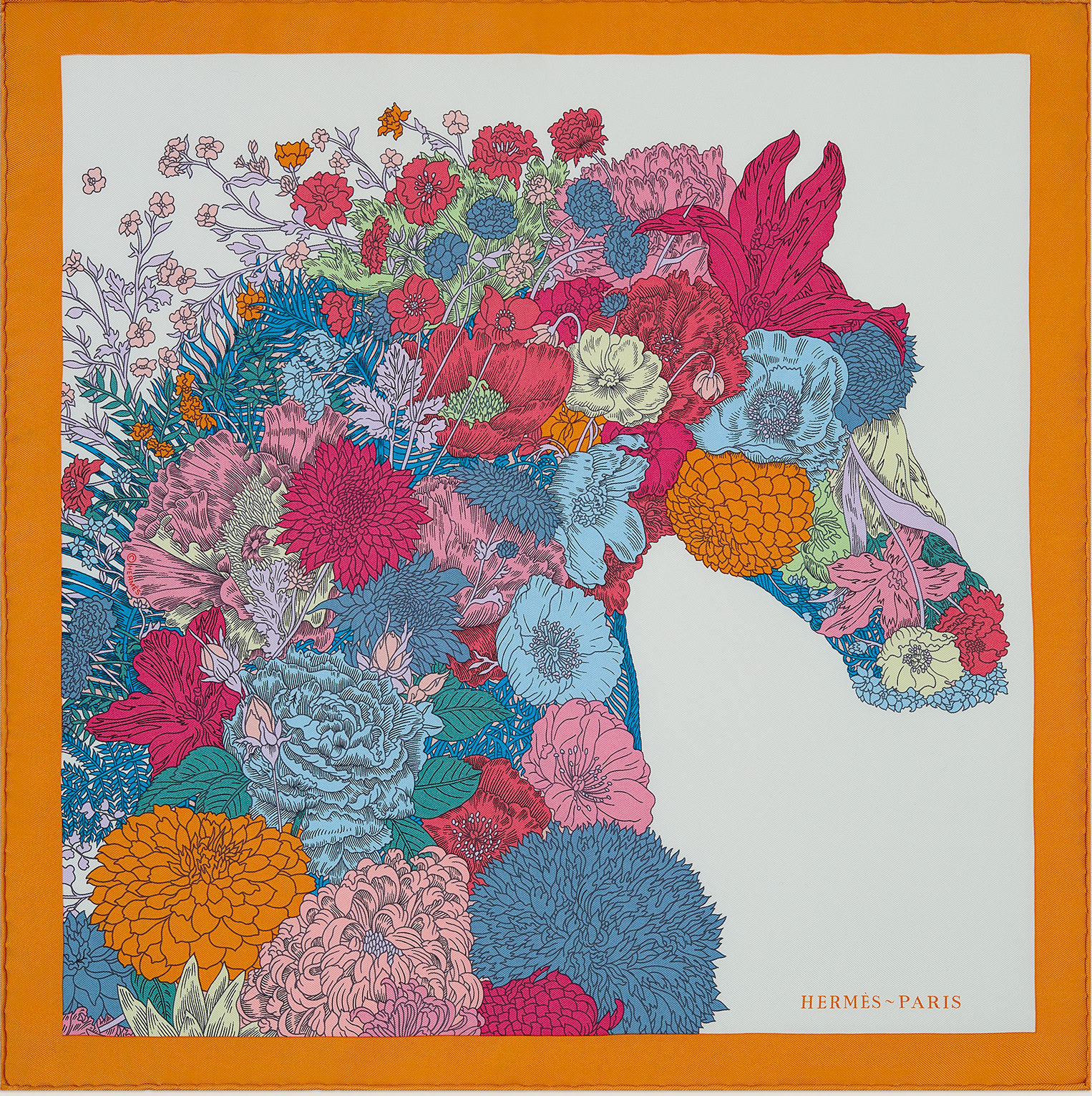
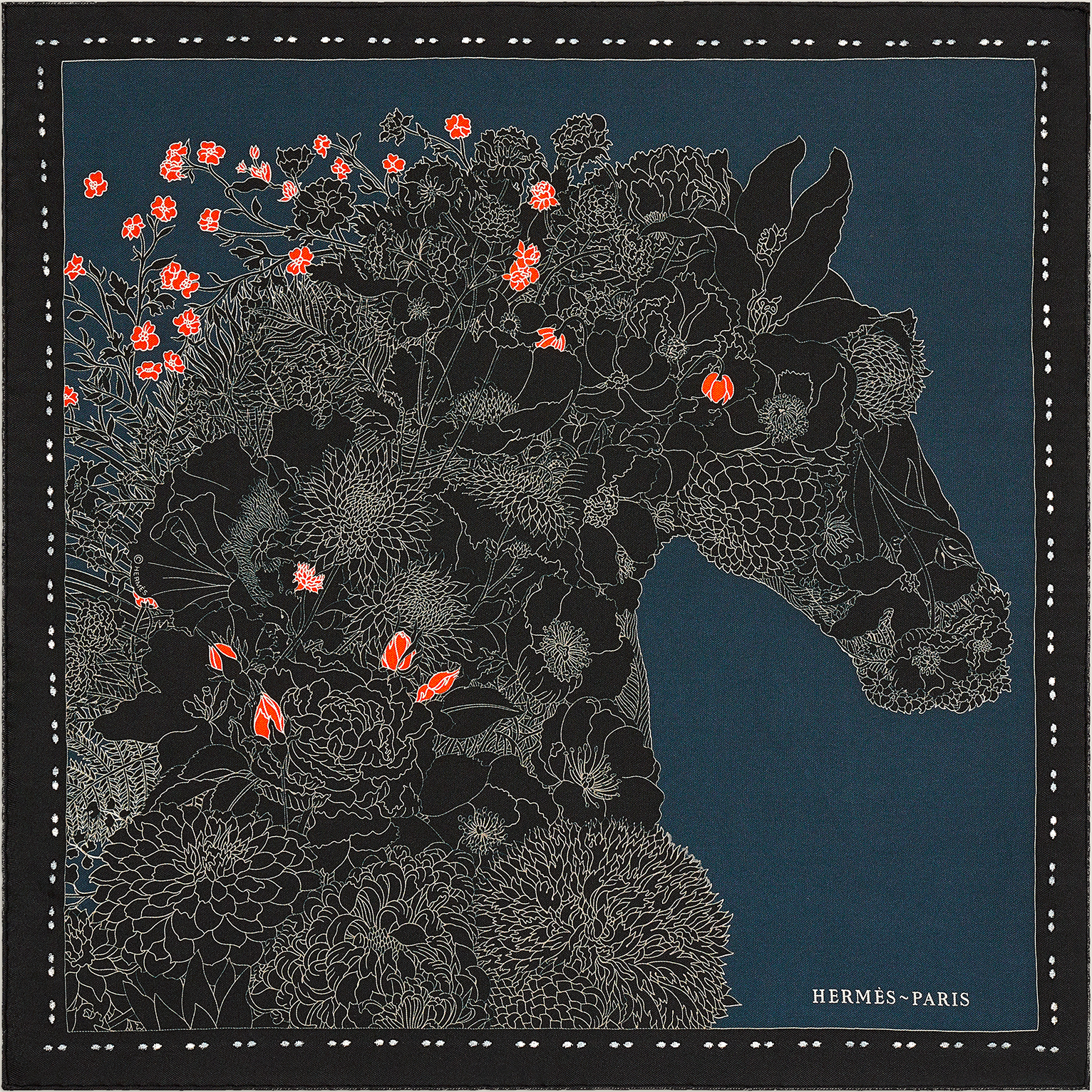
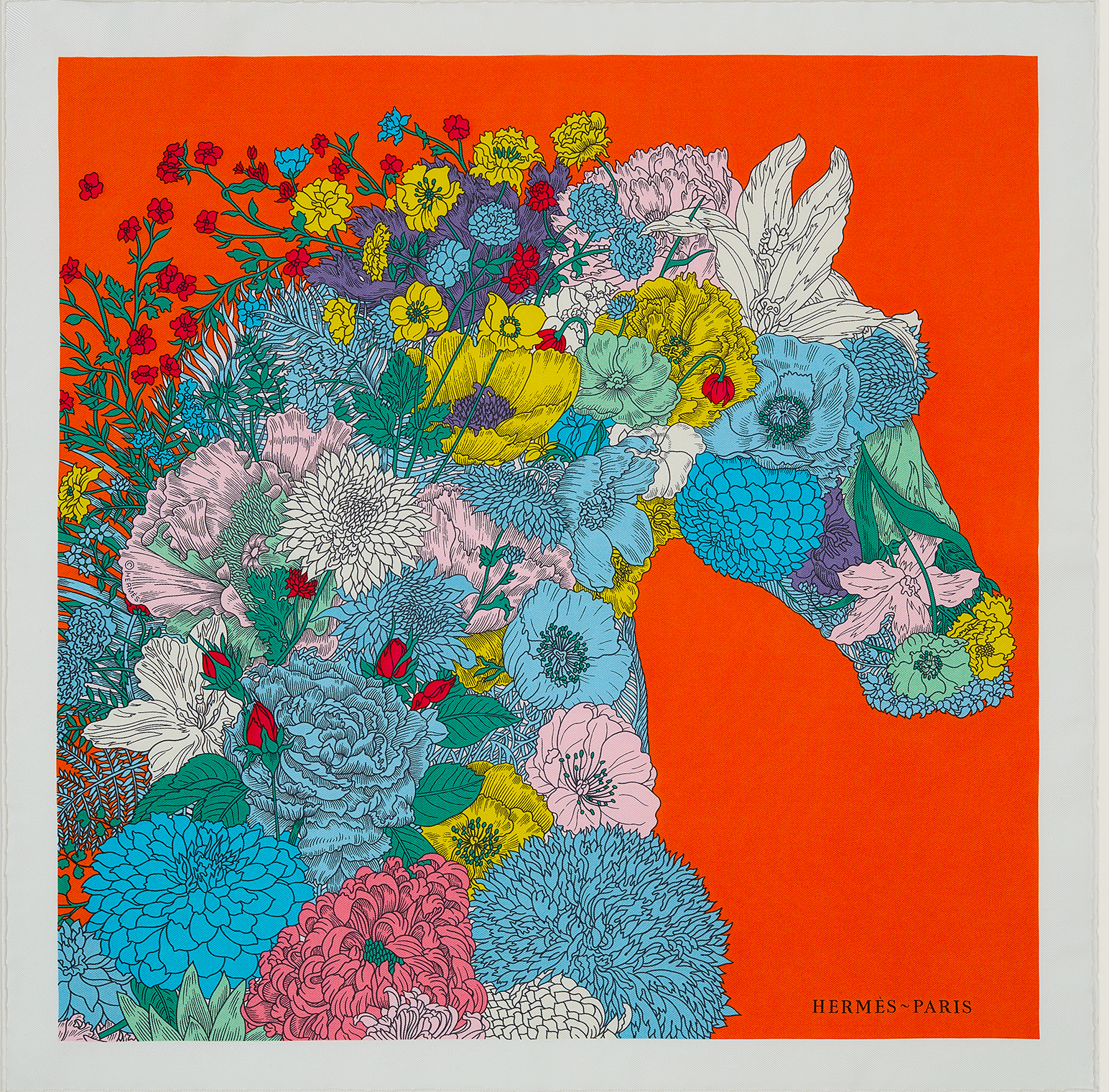
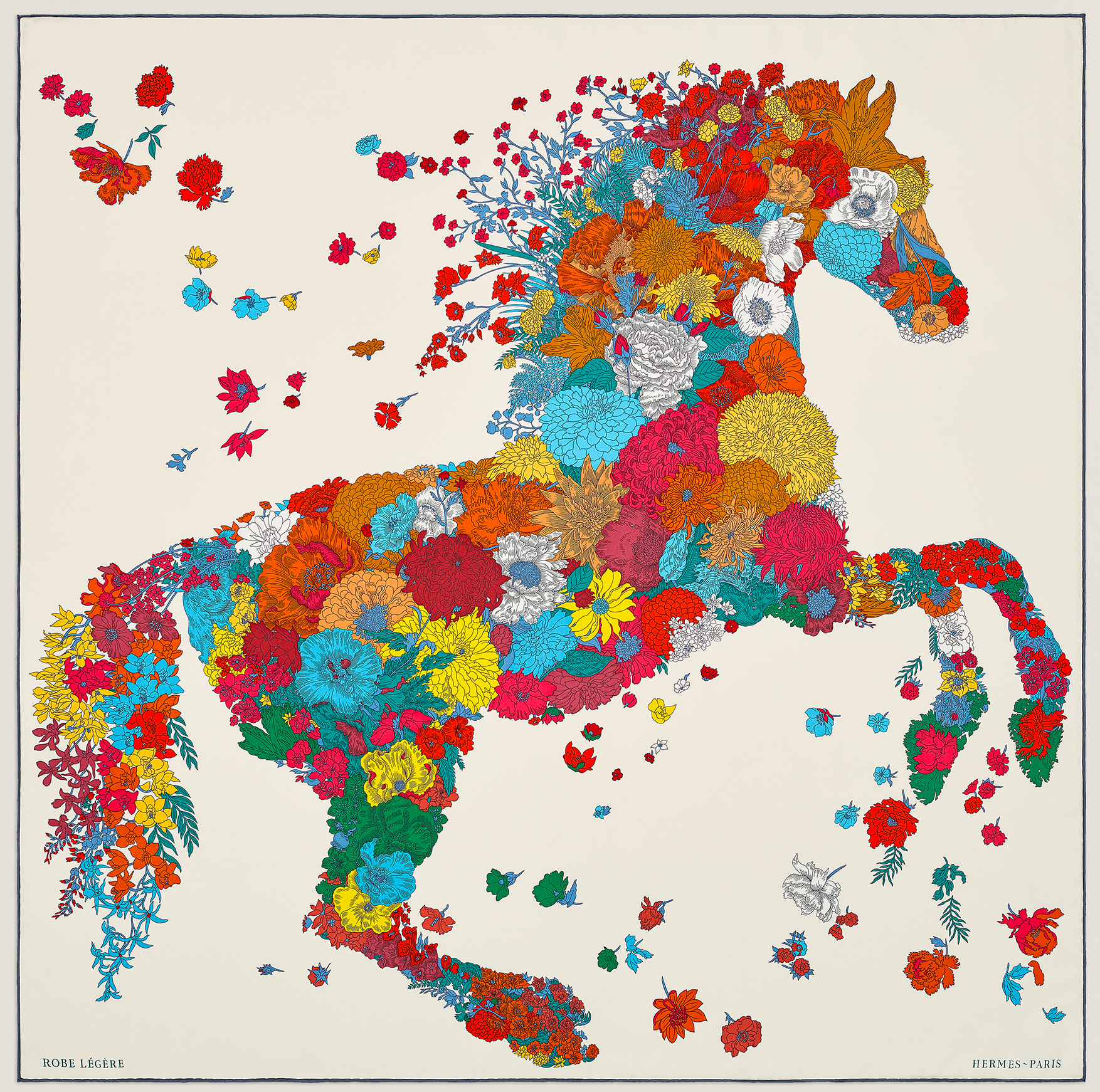
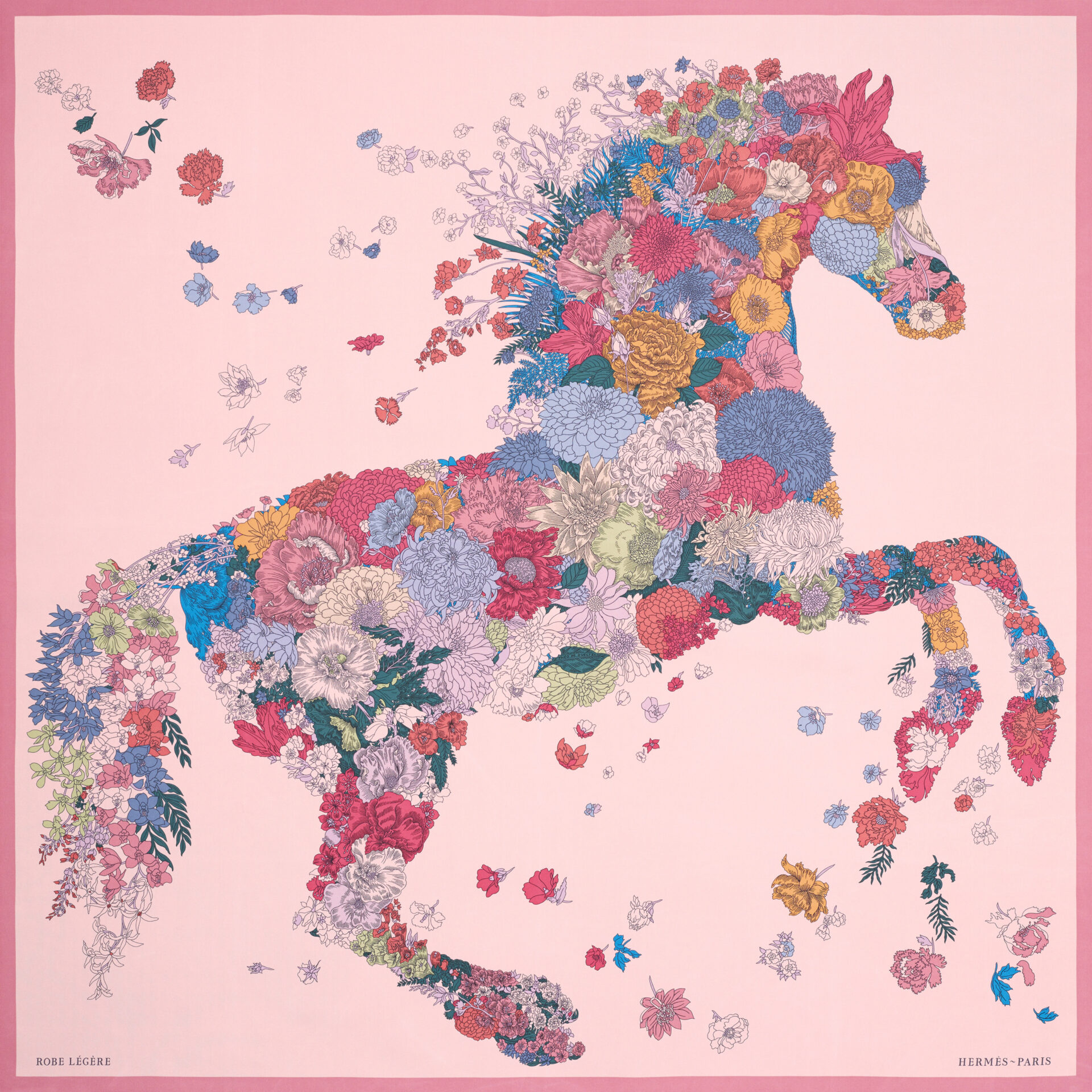
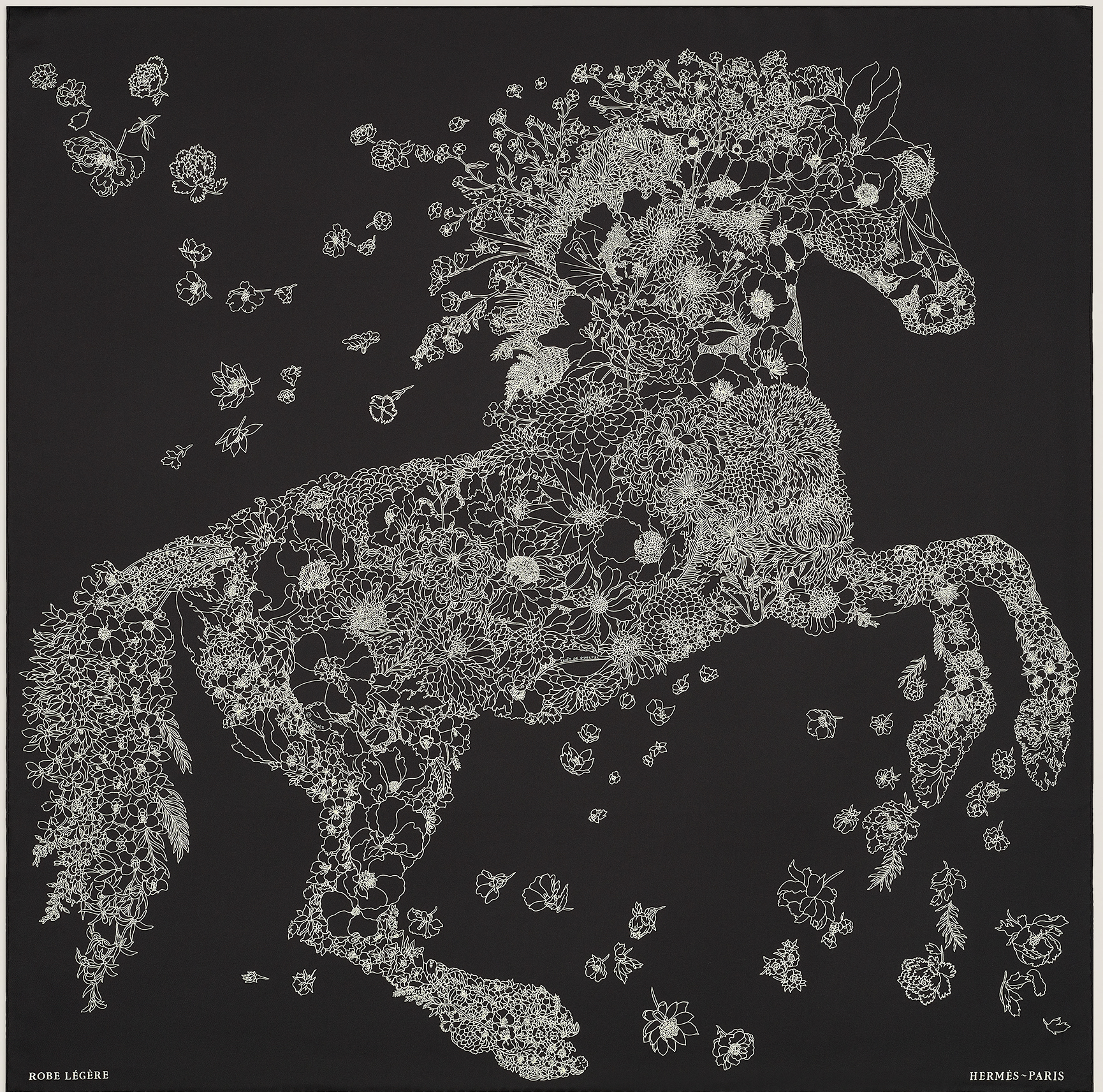
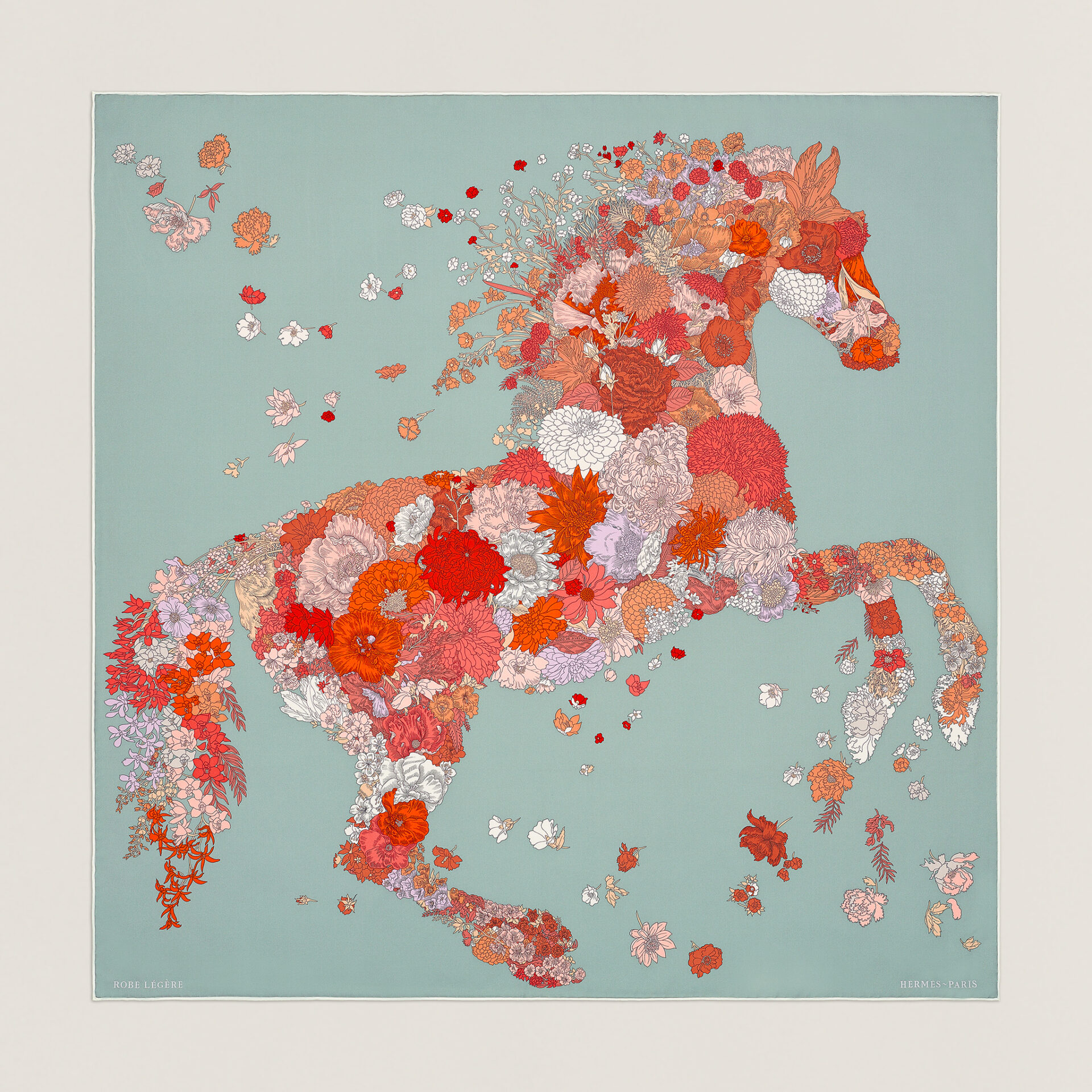
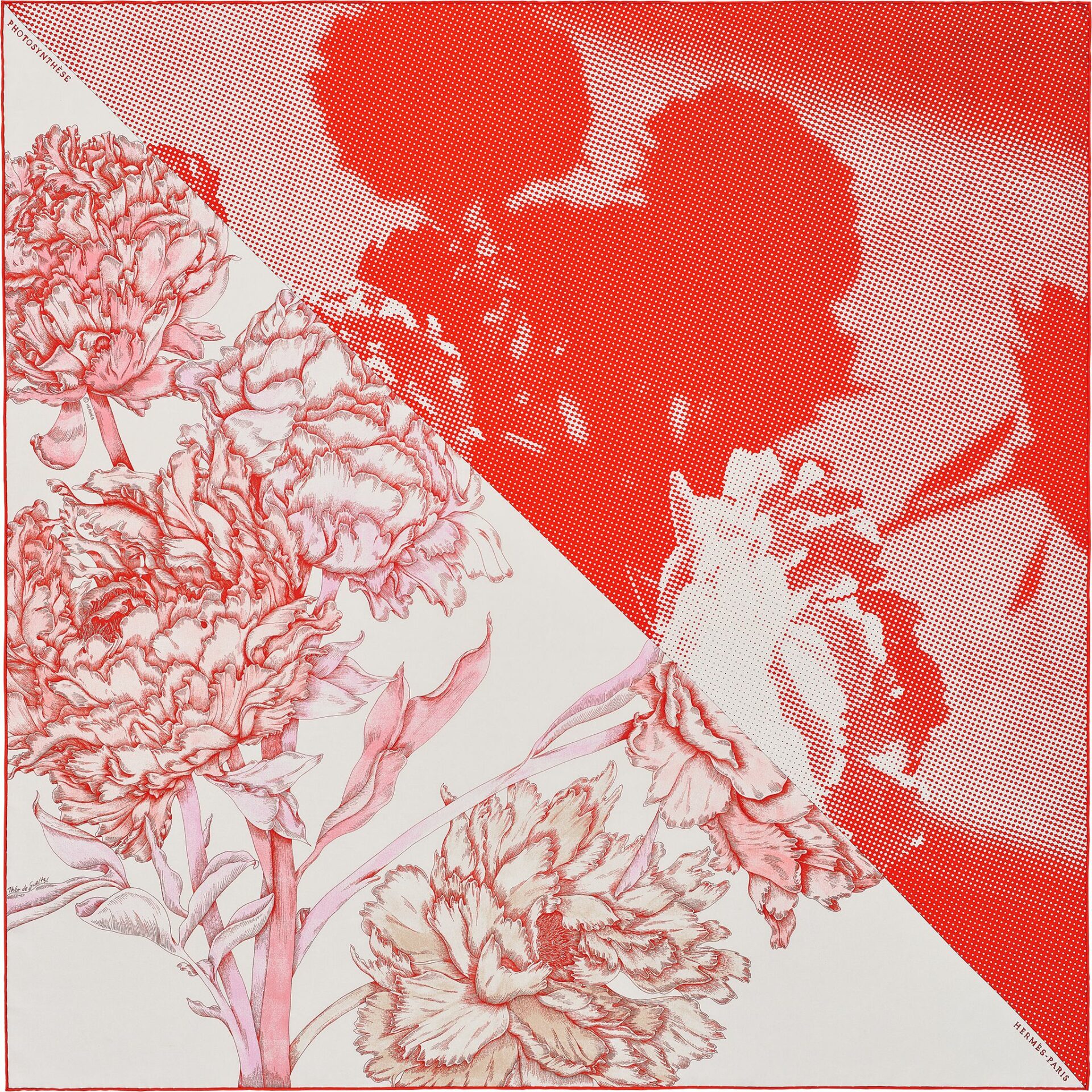
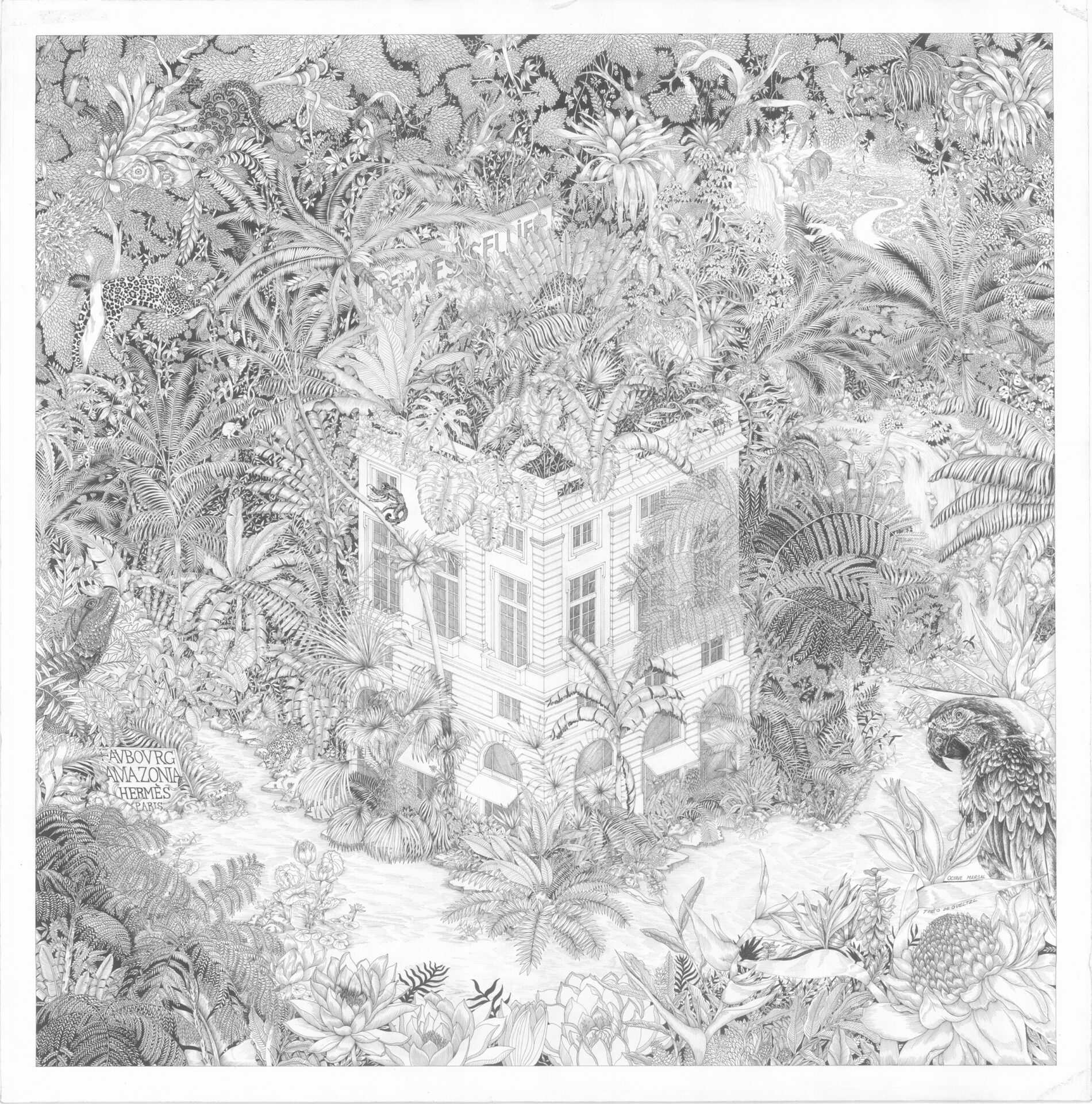
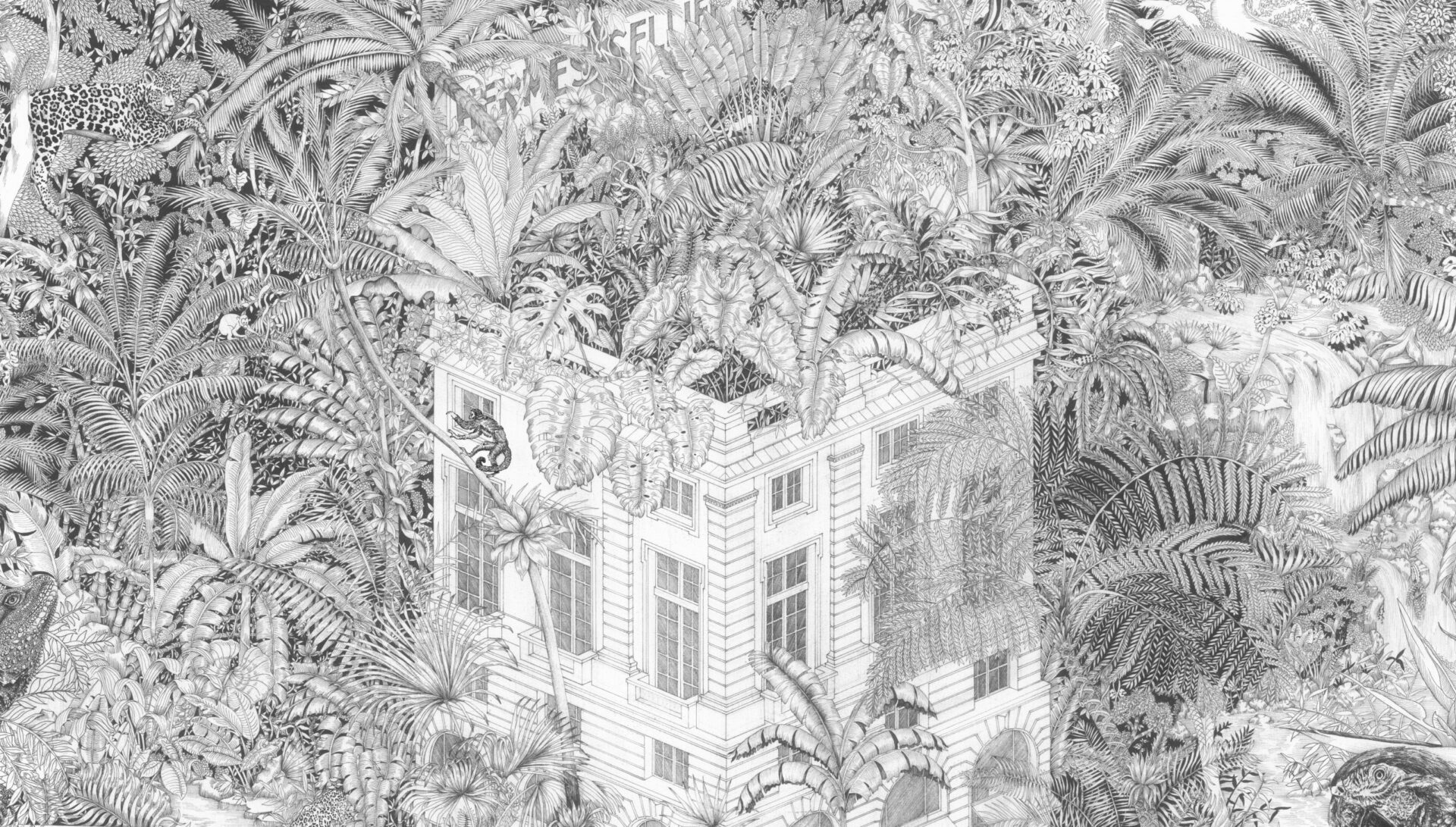
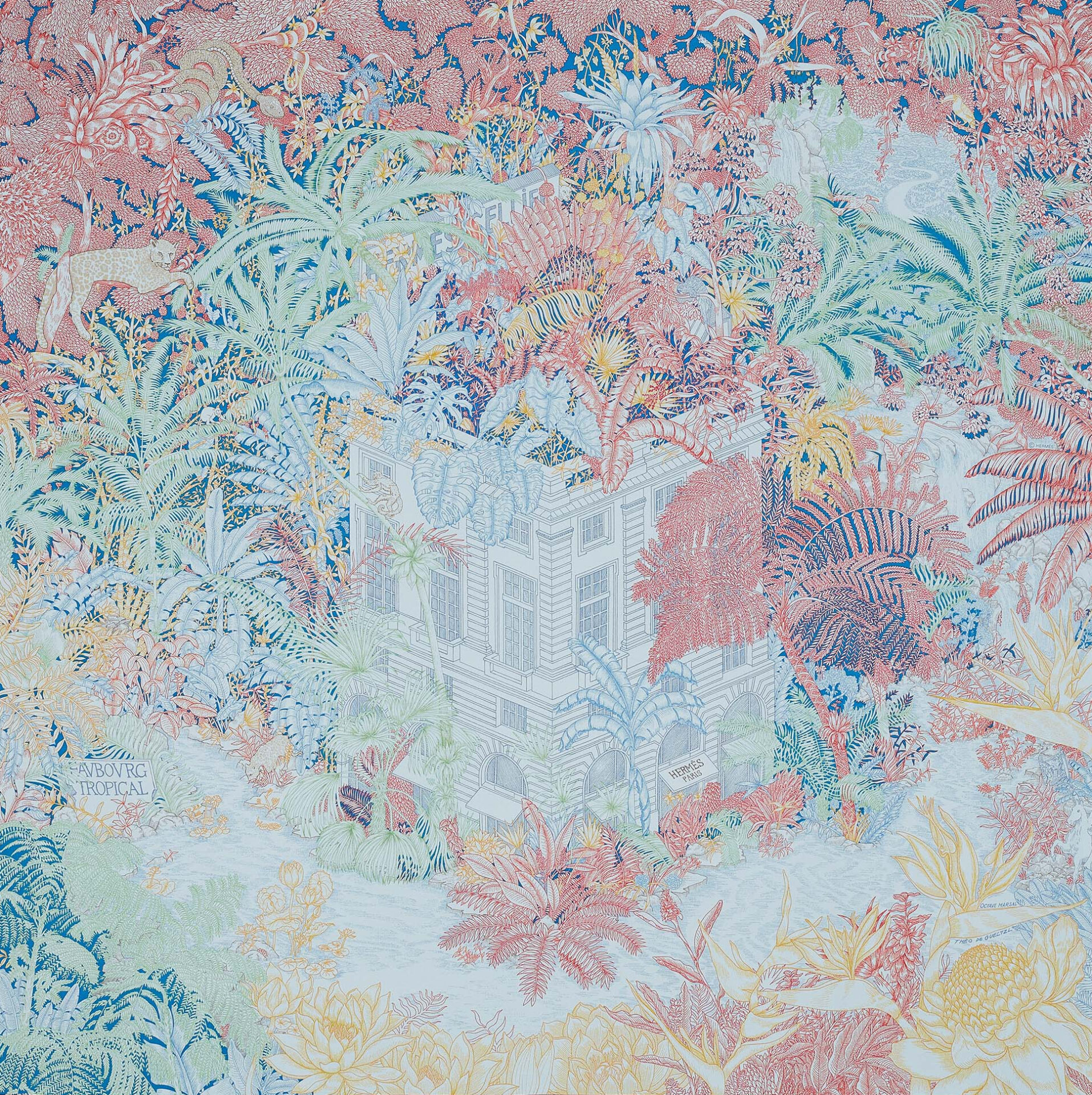
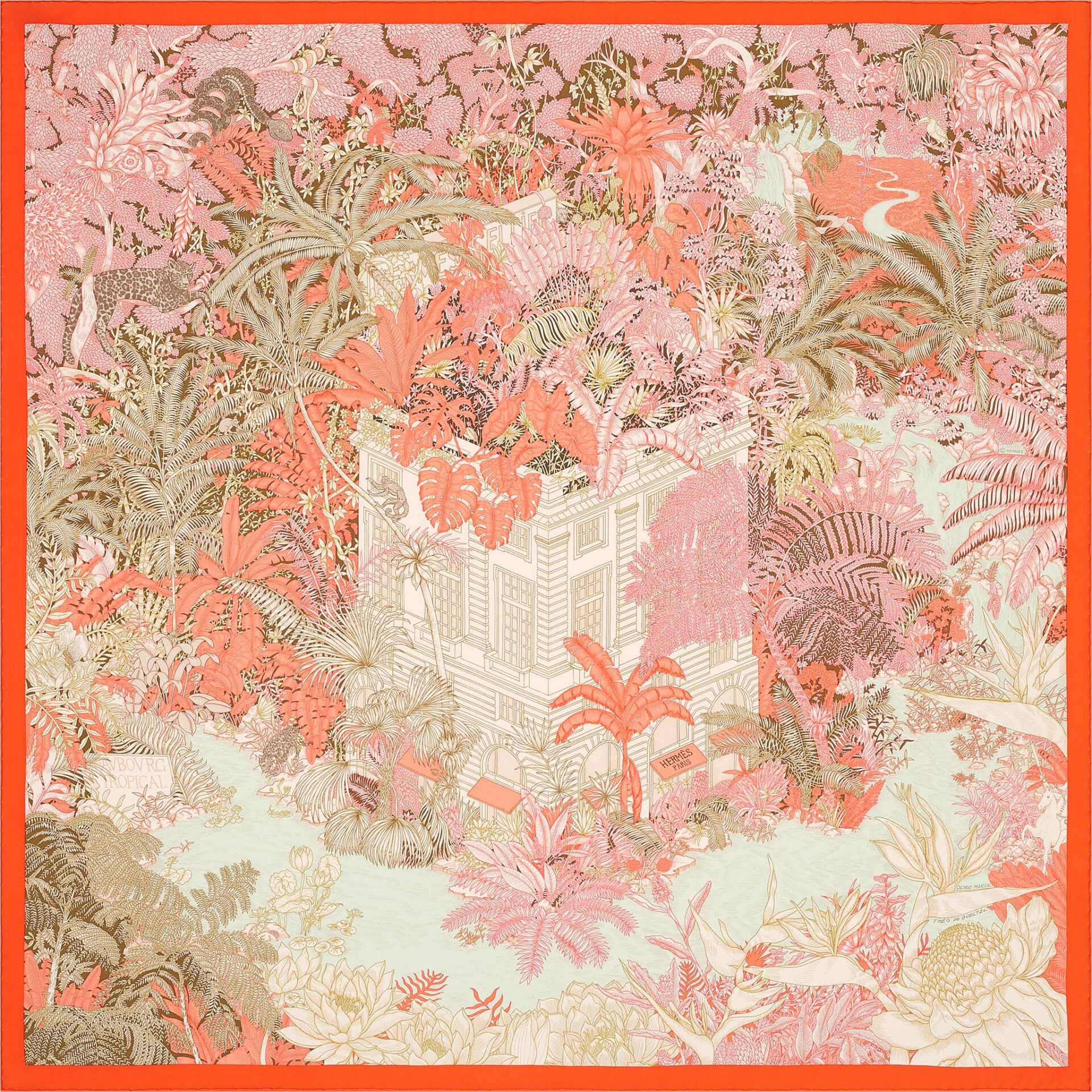
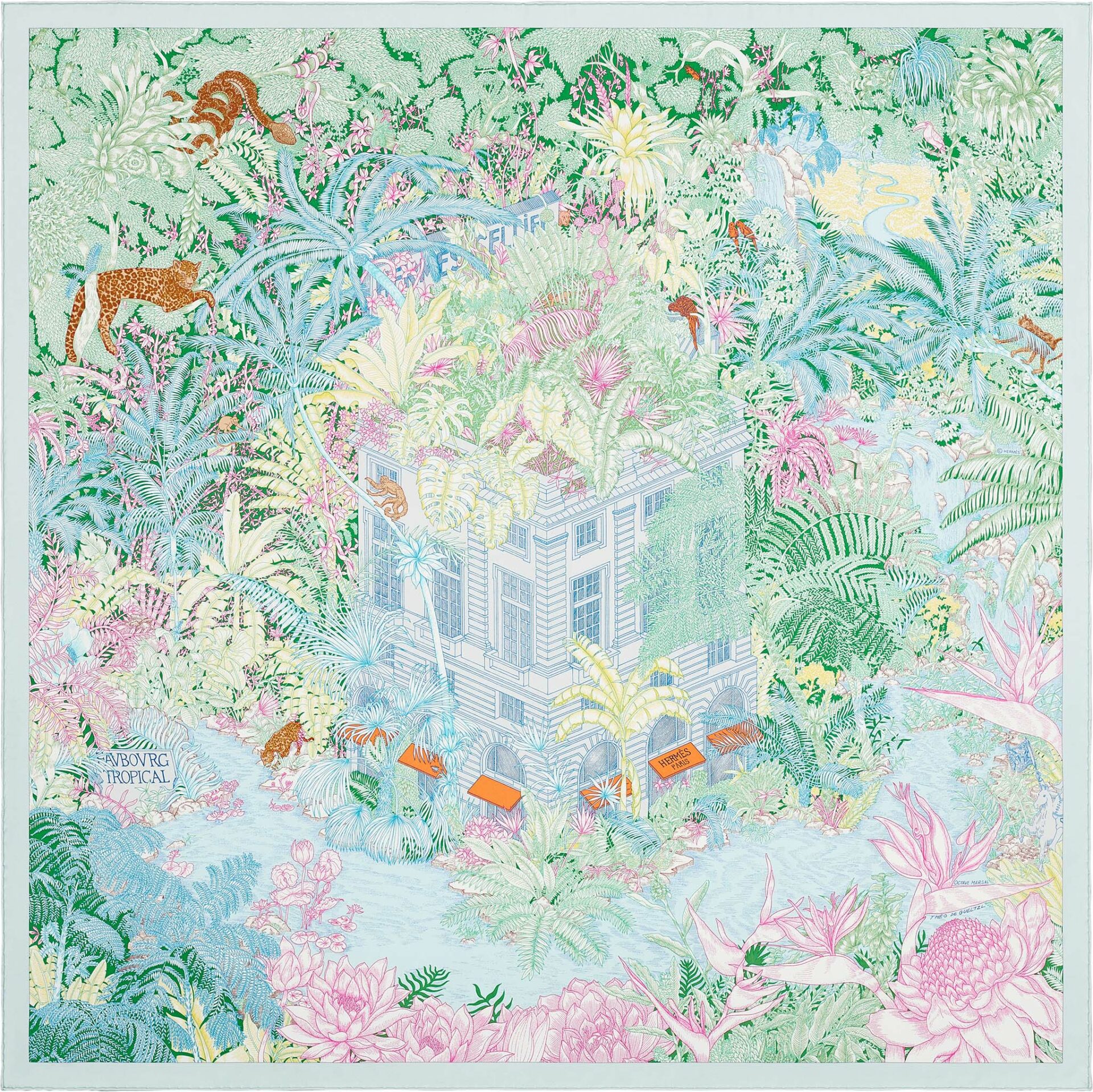
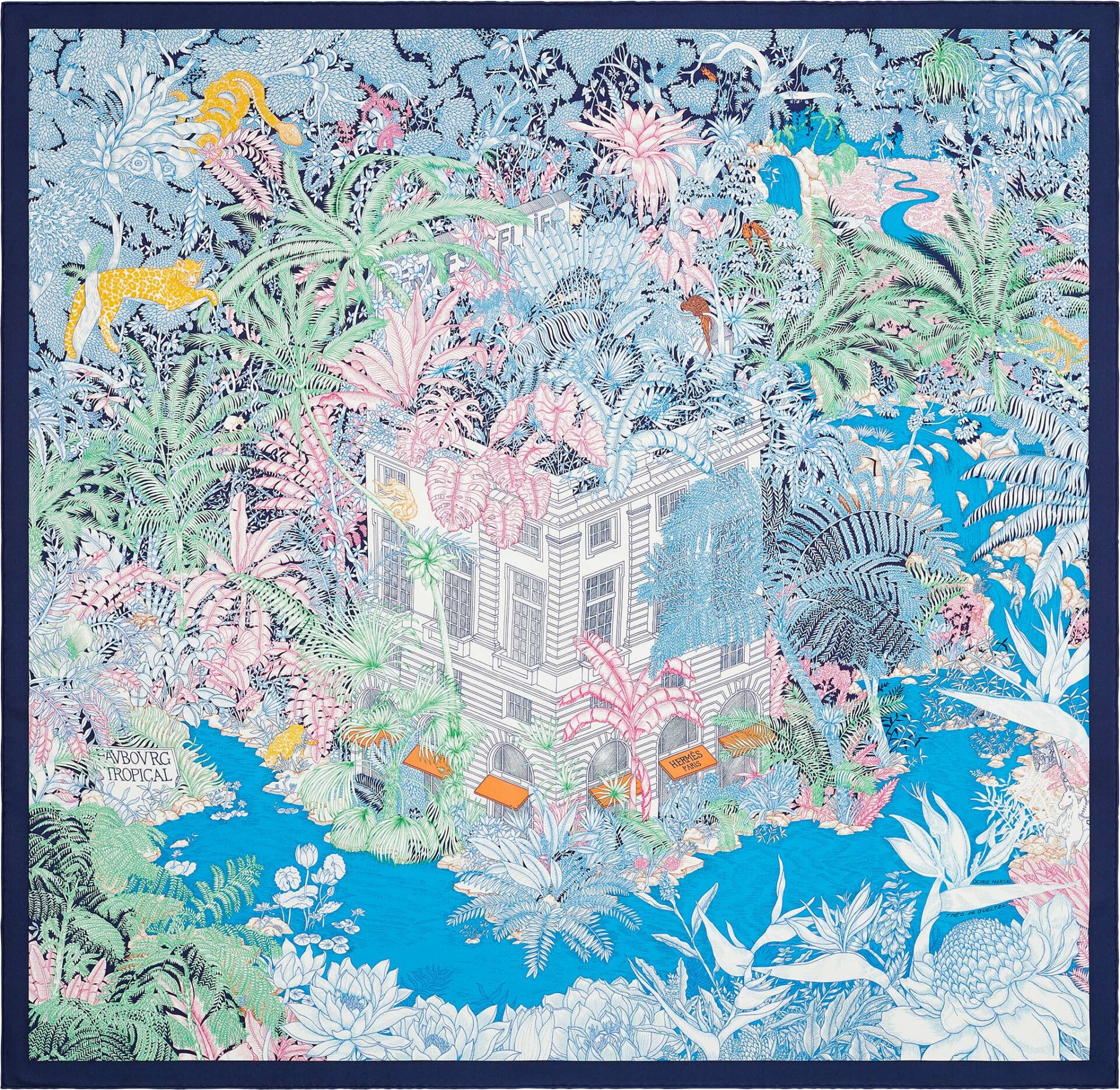
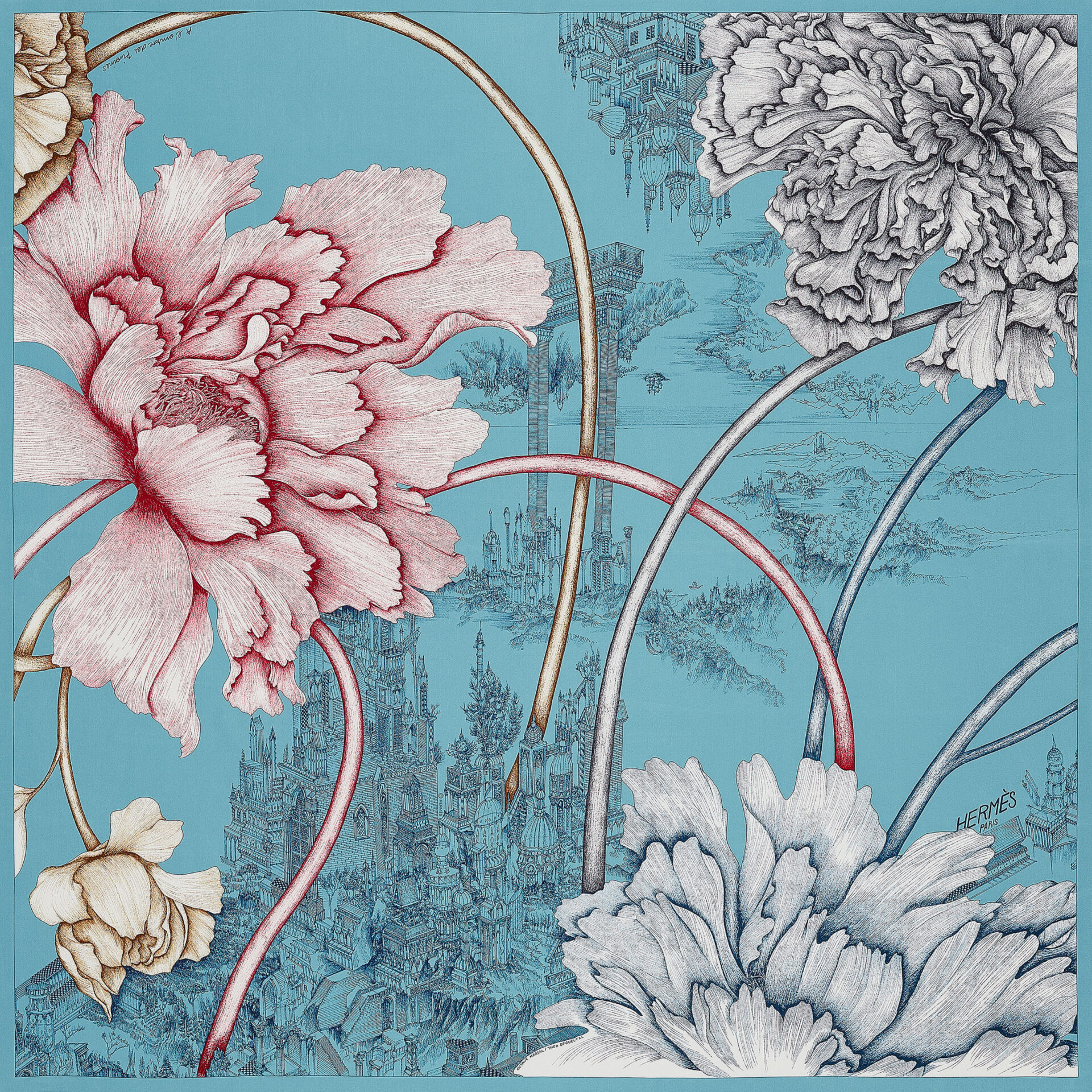
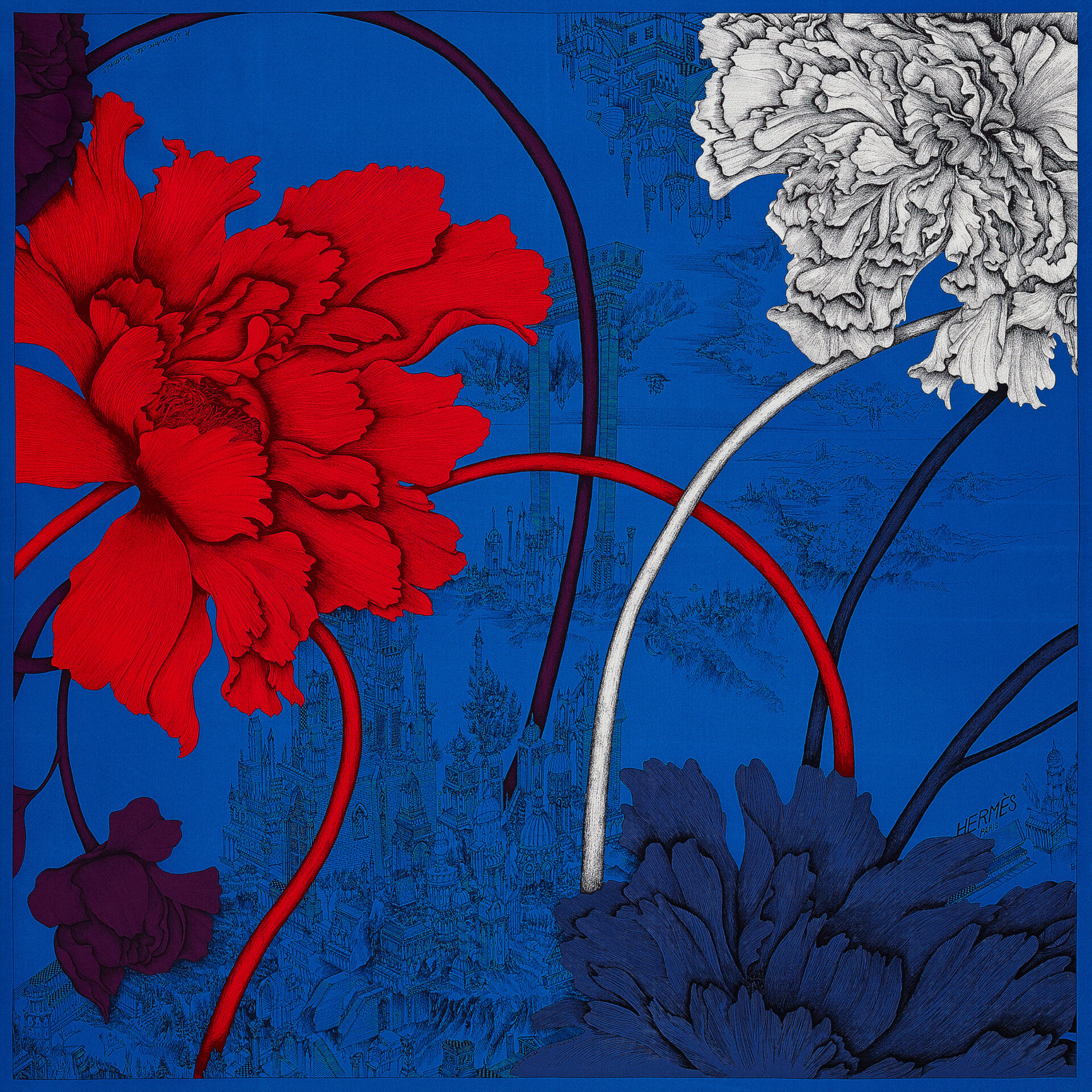
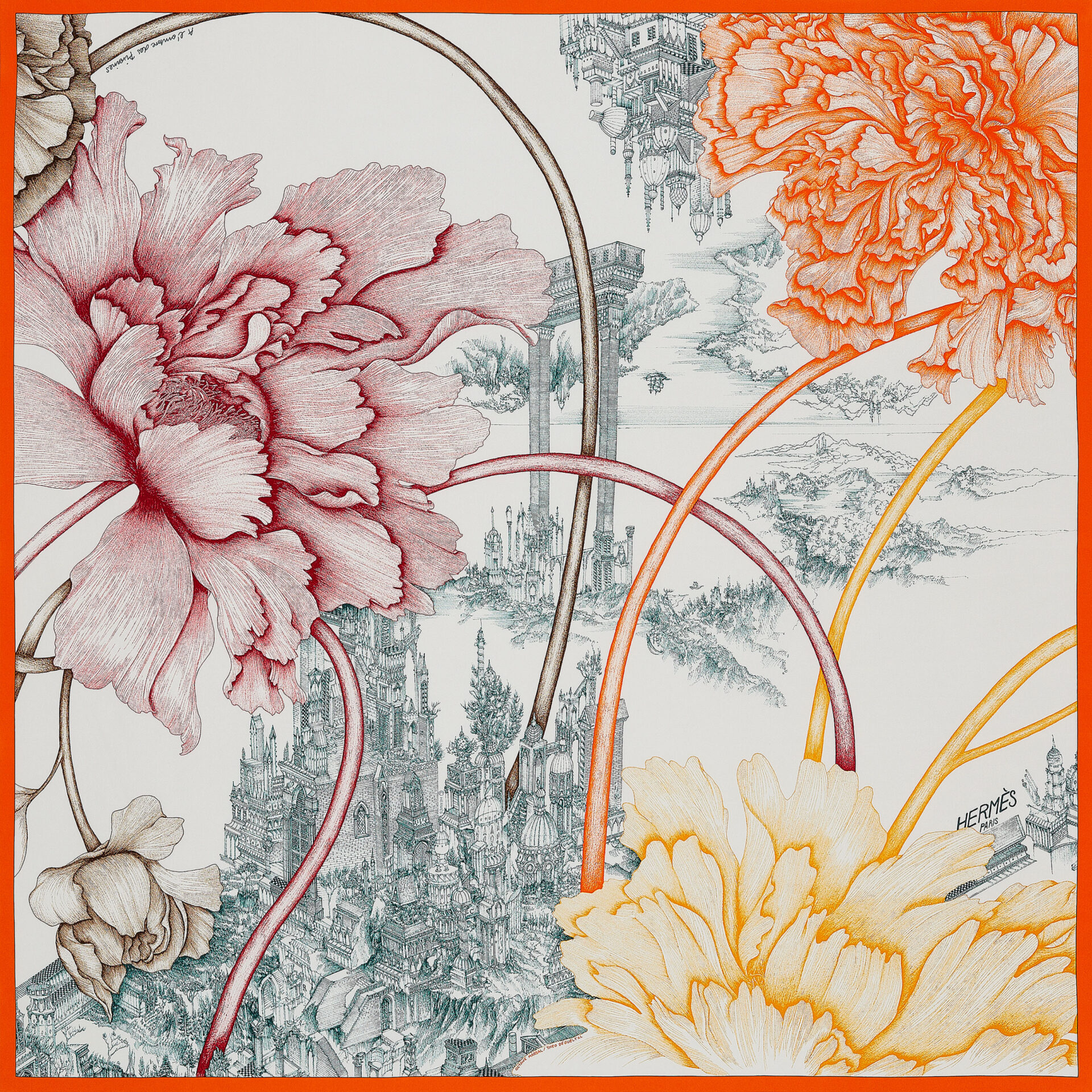
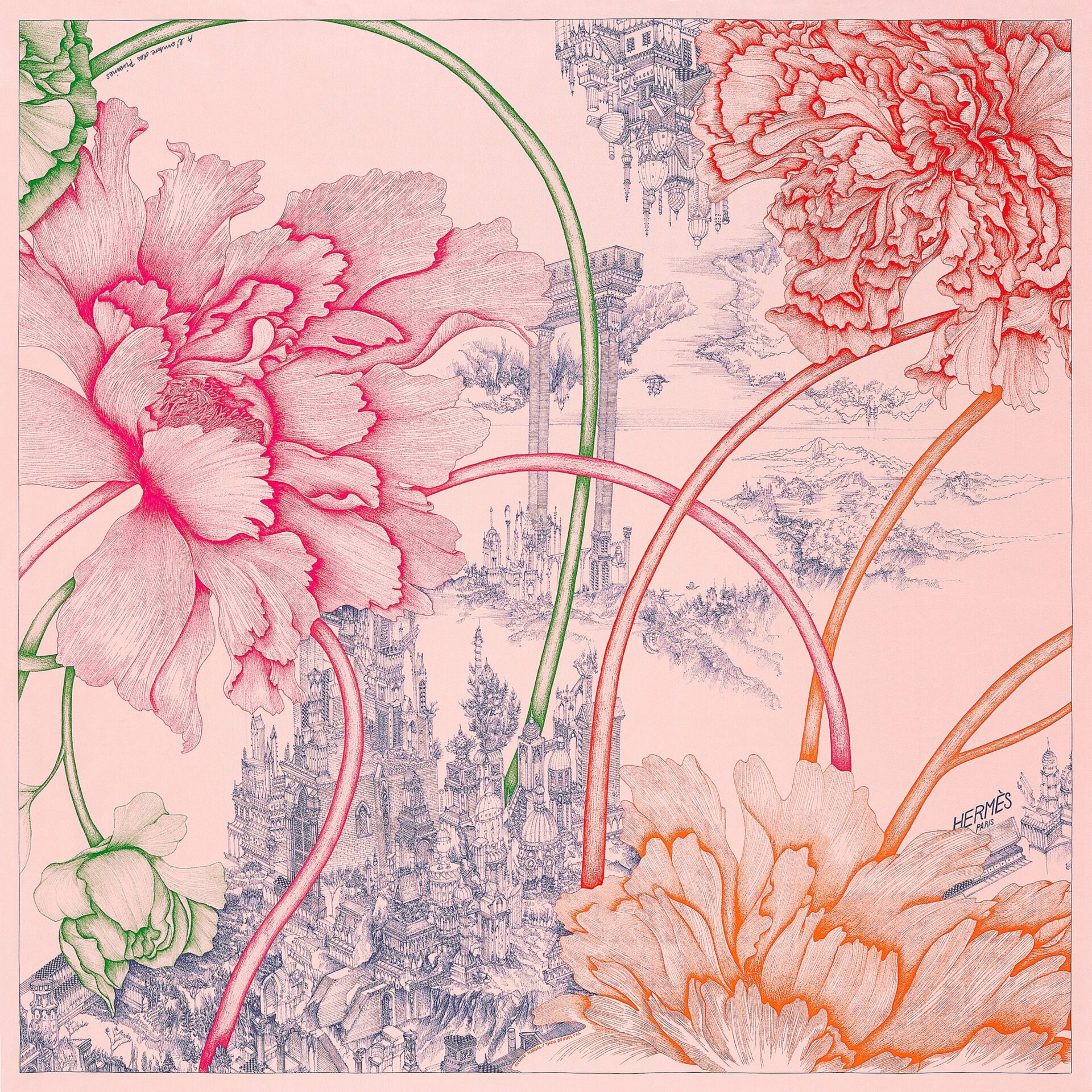
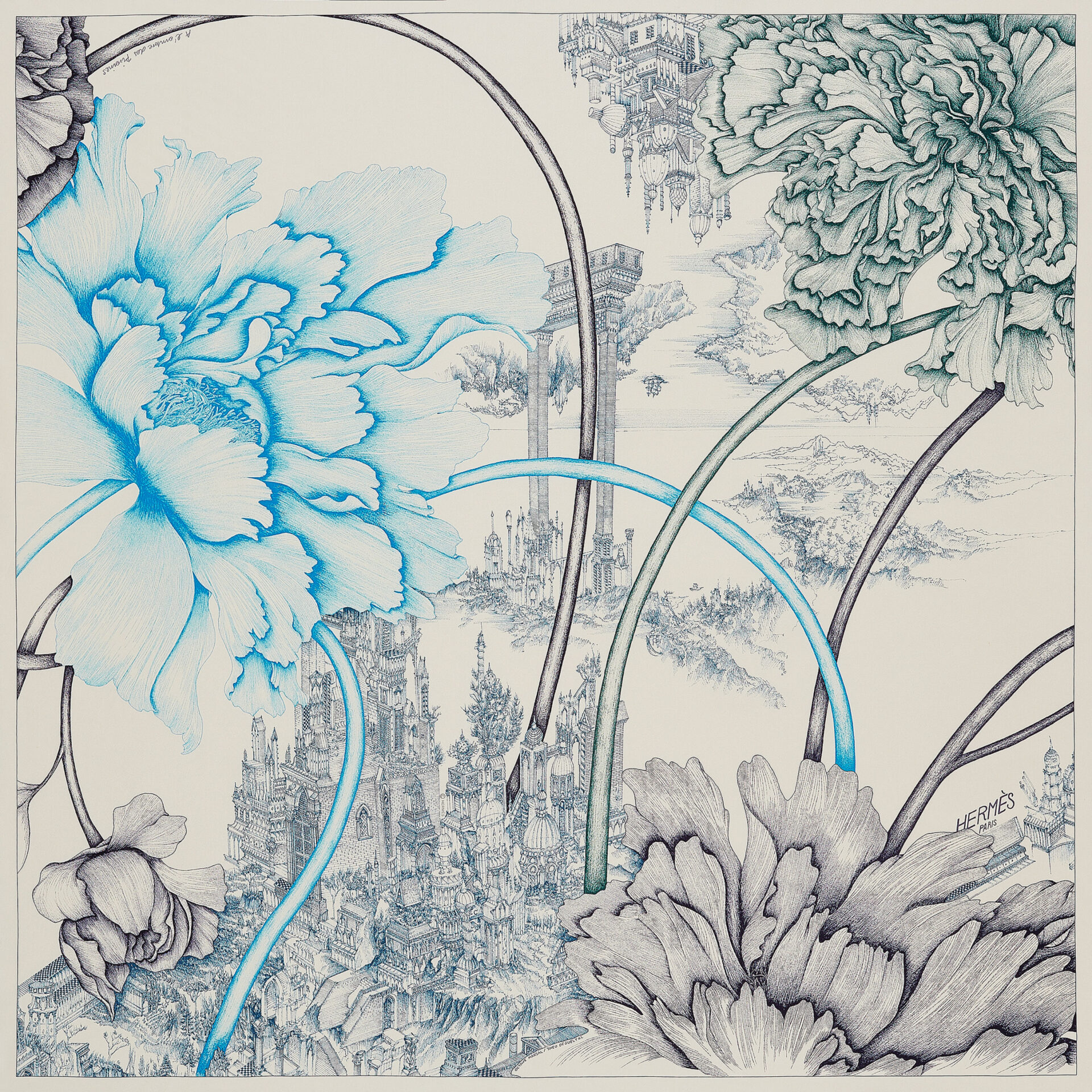
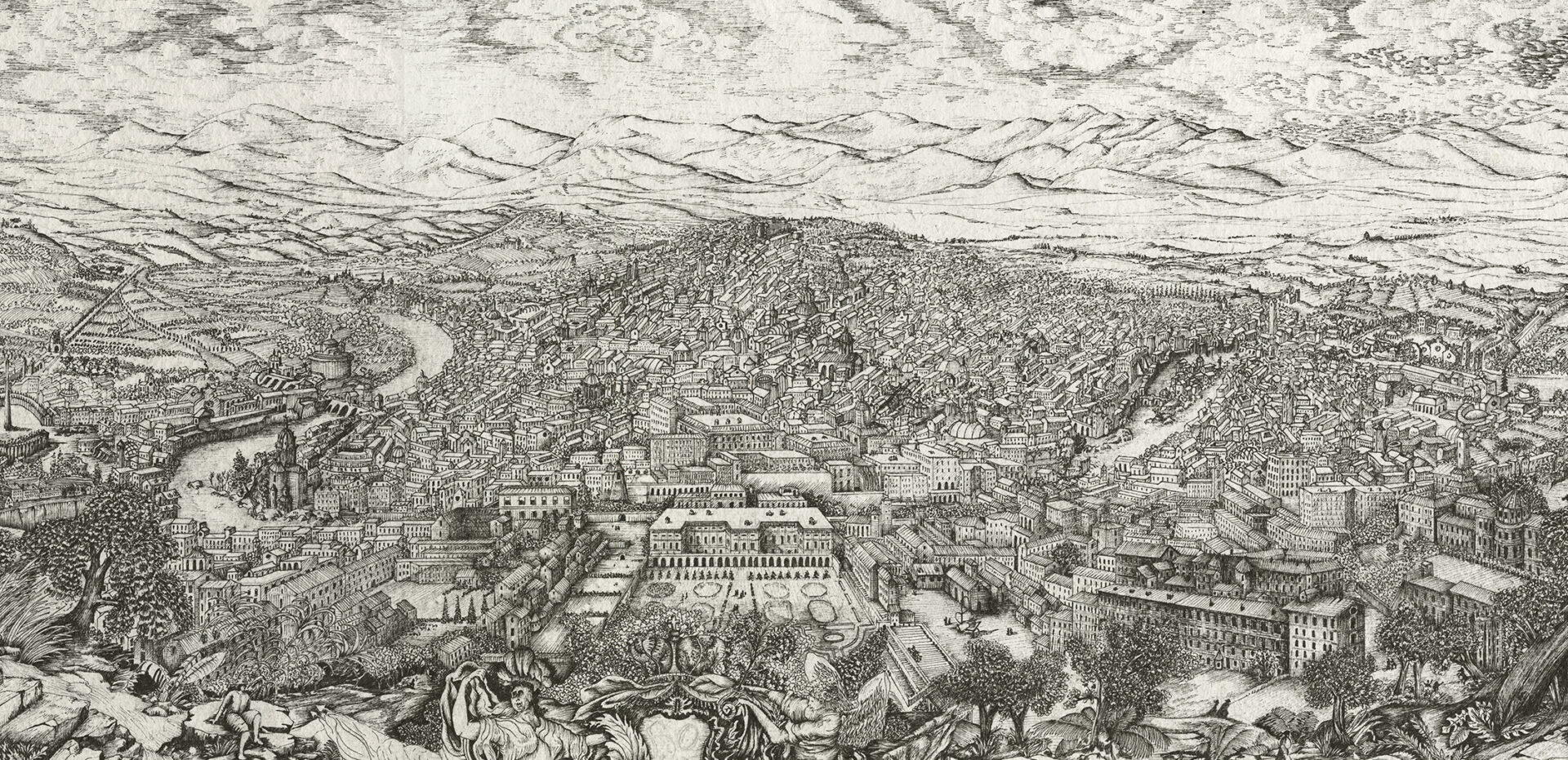
Soon after his graduation from Central Saint Martins, de Gueltzl began to forge a long-term partnership with luxury brand Hermès on detailed drawings for their textiles in a collaboration that would open a door not just to the world of fine art drawing, but to fashion as well. Each design requires 200 hours of drawing and etching, from concept to final product, and can take up to two years to produce.
De Gueltzl’s designs have included the Hermès Faubourg Tropical Scarf (with Octave Marsal), featuring an exuberant tropical forest that appears to unfurl from the neoclassical façade of the first Hermès store at 24 Faubourg Saint-Honoré in Paris, and the Robe Legere Embroidered Scarf, a limited piece made from the finest silk and hand embroidered with glass micro-beads.









PERSONAL DRAWINGS

SCULPTURE
Construct
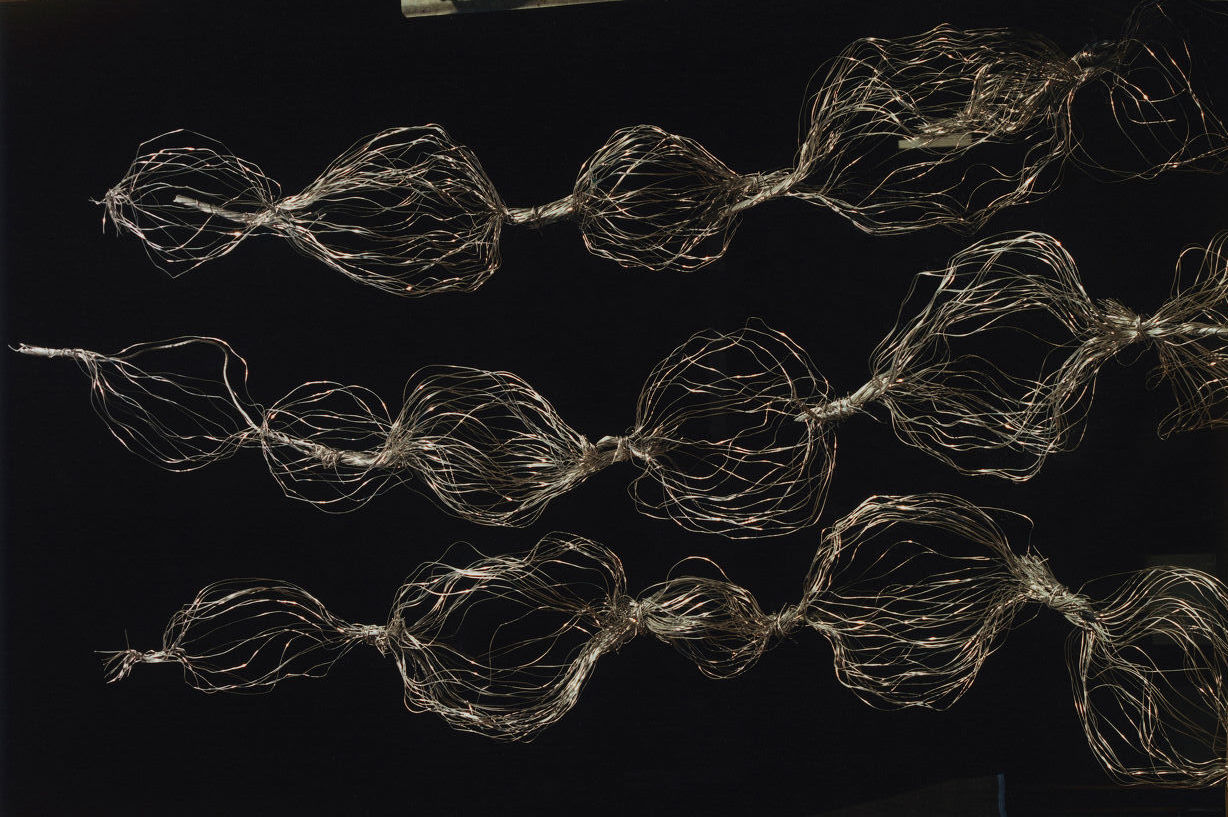
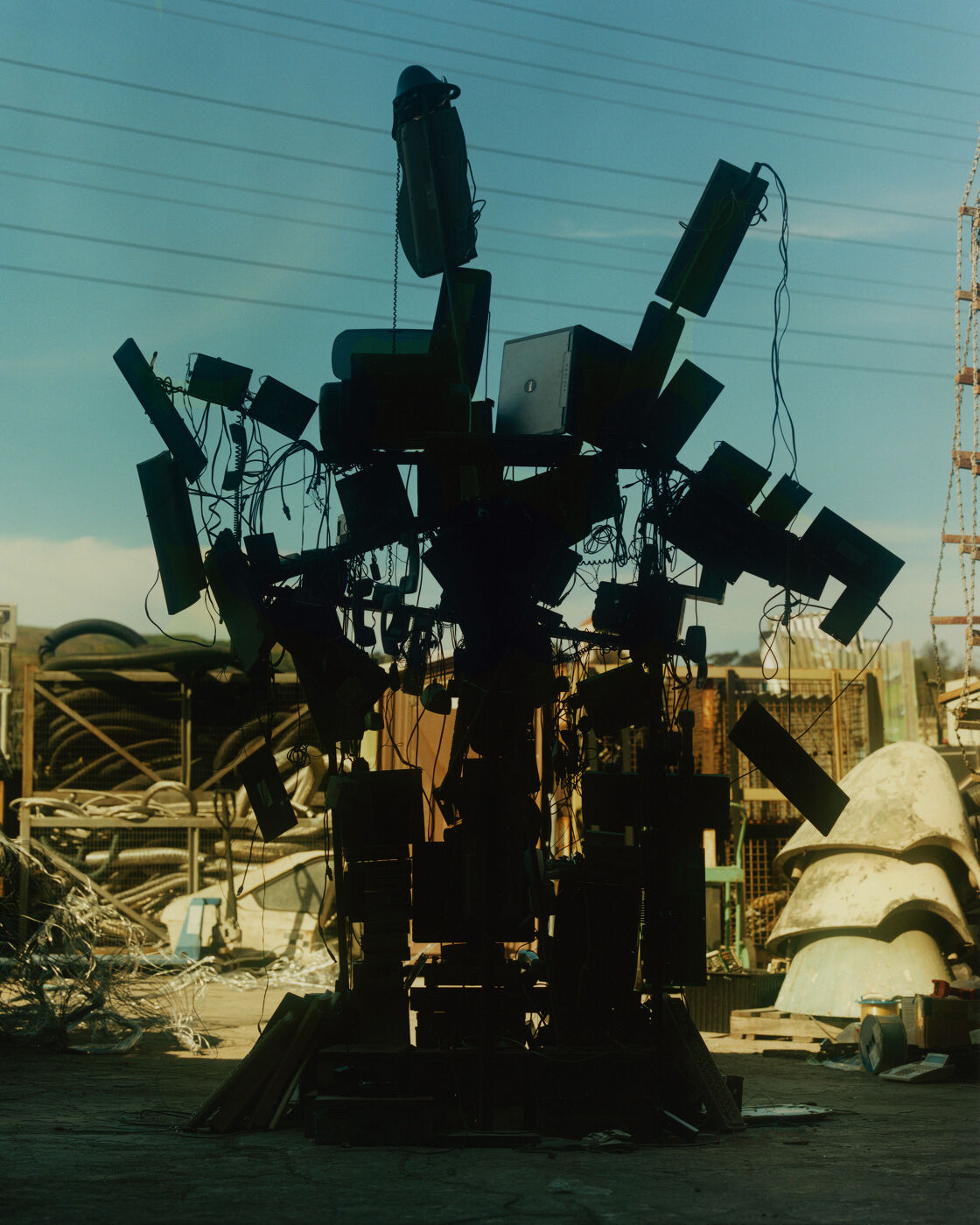
‘Construct’ is a series of photographs and the only documentation of four sculptures built and destroyed on the same day. Put together by a collective of creatives from the fashion industry, ‘Construct’ aims to raise awareness on the urgent need to shift from our linear system to a circular economic model. This artistic project is a collaboration between de Gueltzl, set designer Heath Mattioli, the LA-based production team Fox&Leopard and ERE’s creative team.
At the very essence of this project, the ephemeral life and gigantic scale of these constructions reflects the proportion of waste humankind is producing every single day. Each of these sculptures reaches up to 6 meters and they are made of what is considered as waste, from materials that arrived on that very day in a recycling facility in Los Angeles. After being photographed in the back alley of the facility, the sculptures were dismantled and the materials made again to find a new purpose.
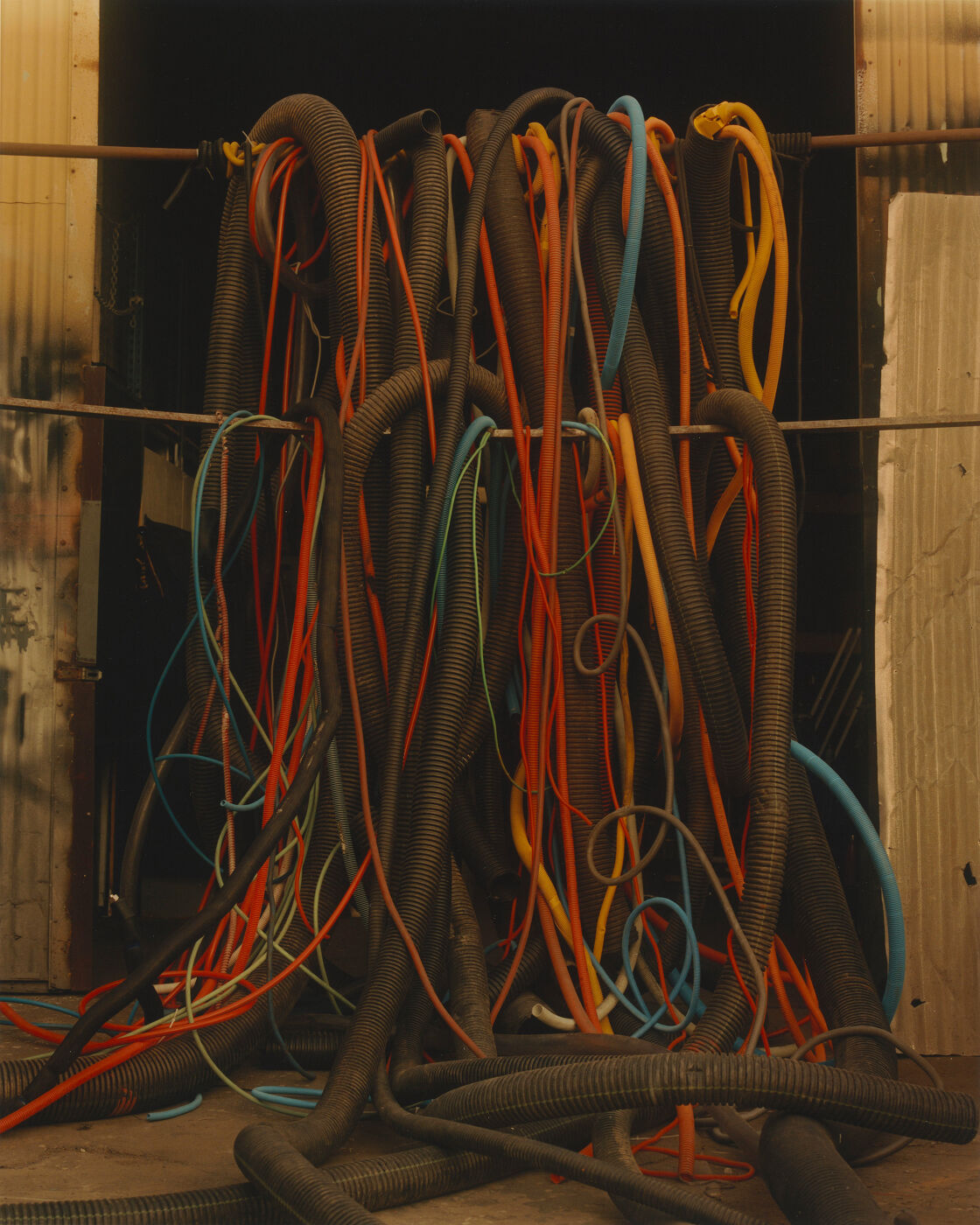

"Against a backdrop of greed and environmental destruction, Théo seeks to show the viewer the urgent need for preservation, the crucial task that lies ahead of us."


TRAVEL DOCUMENTARY
Travel Documentary
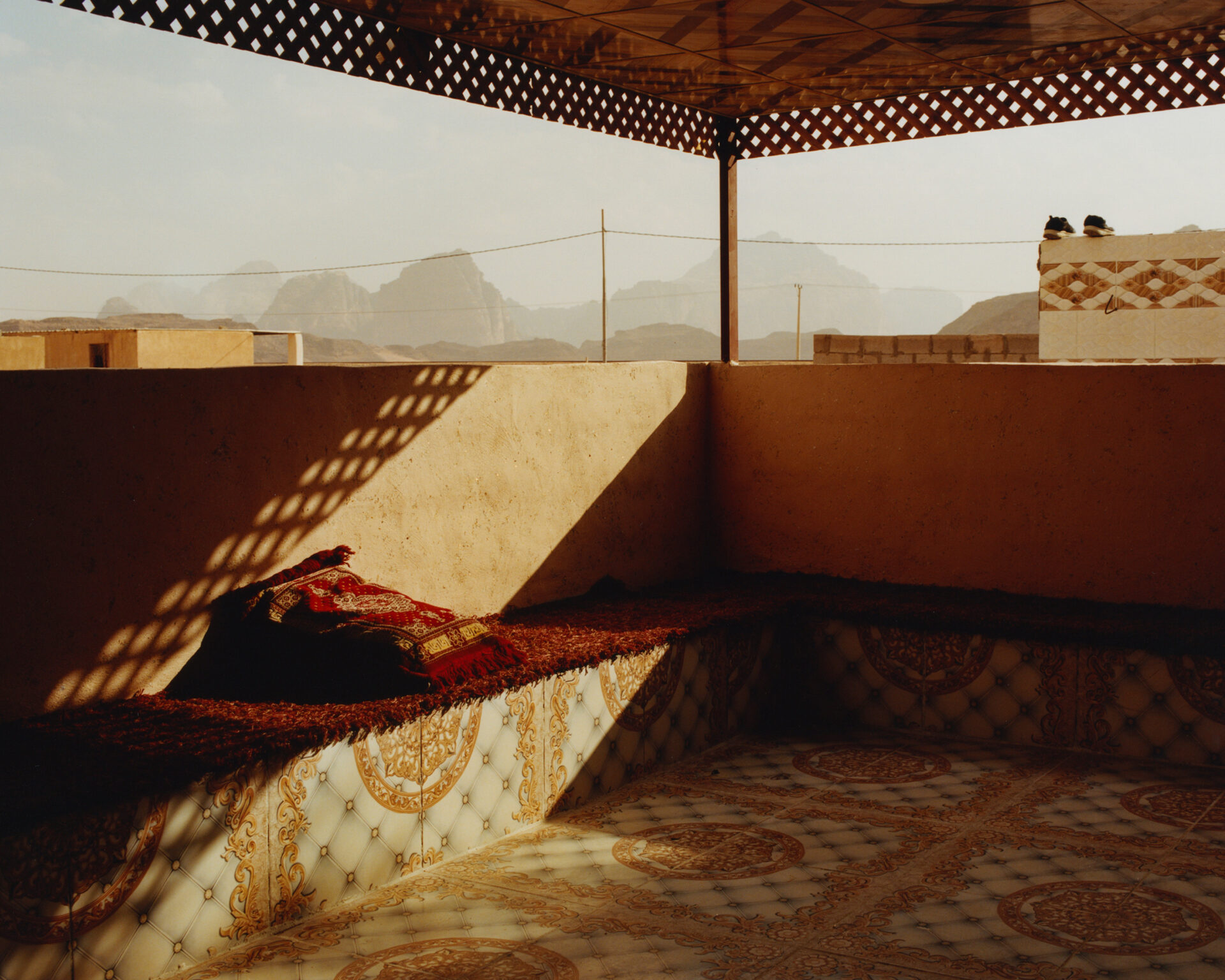
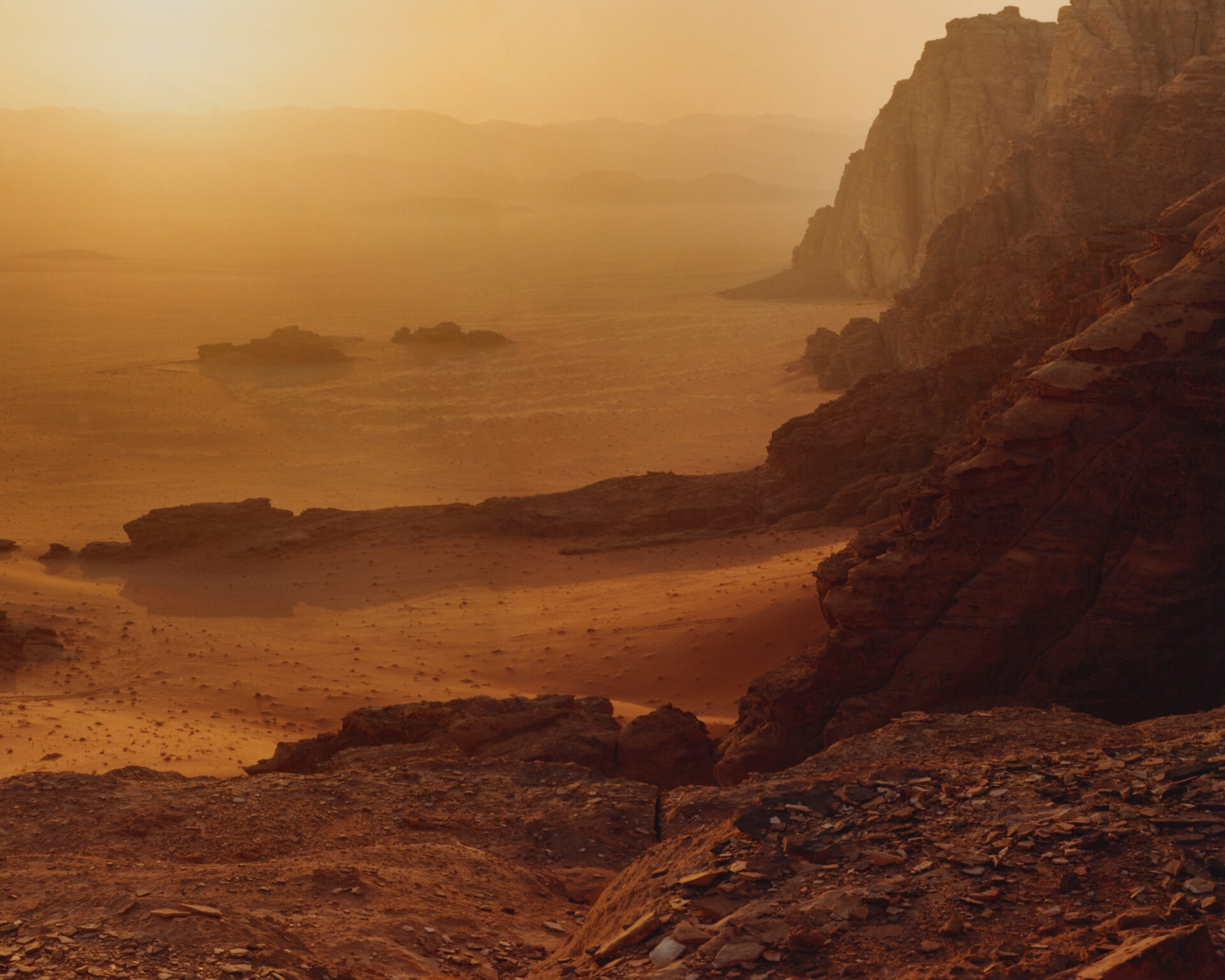
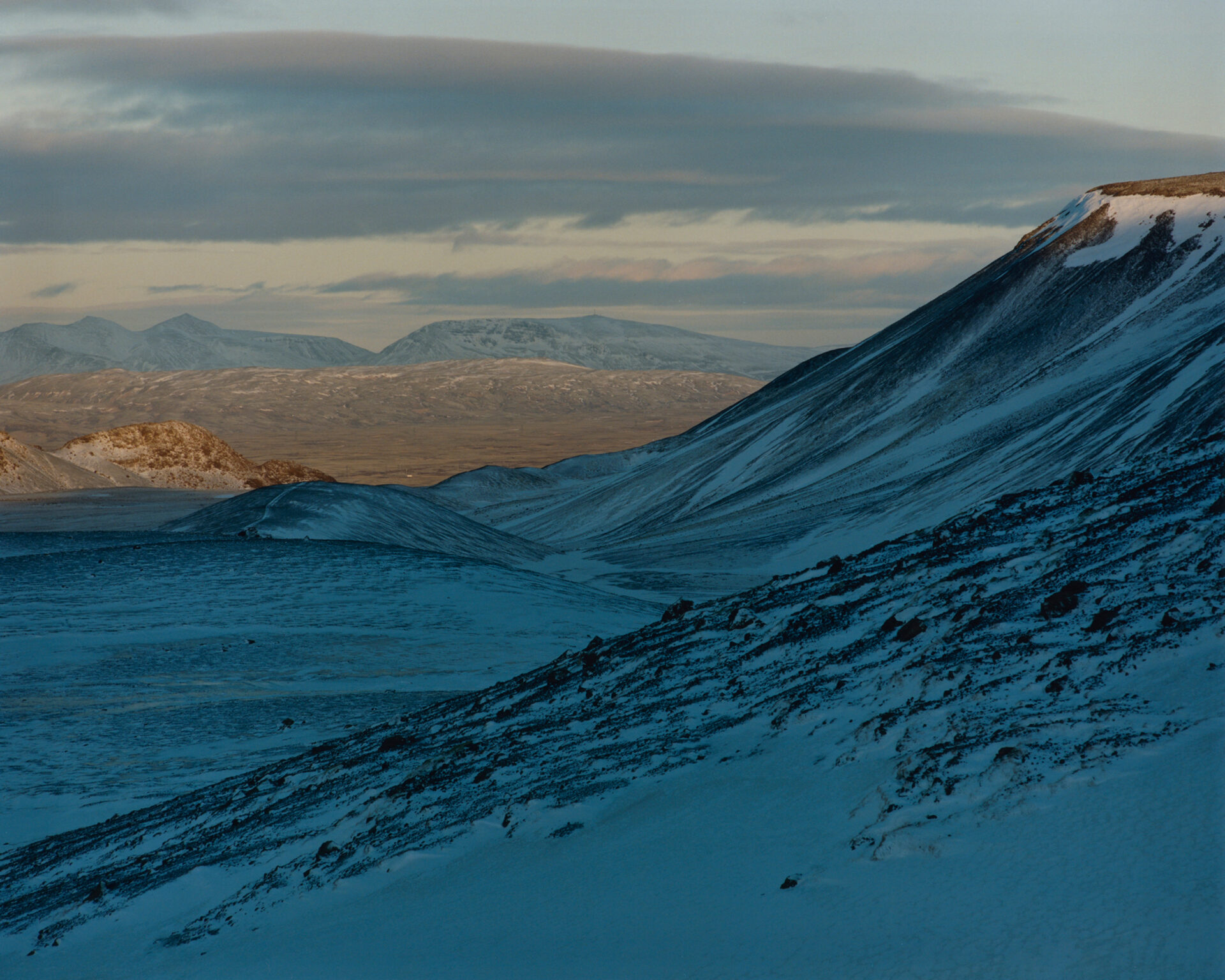
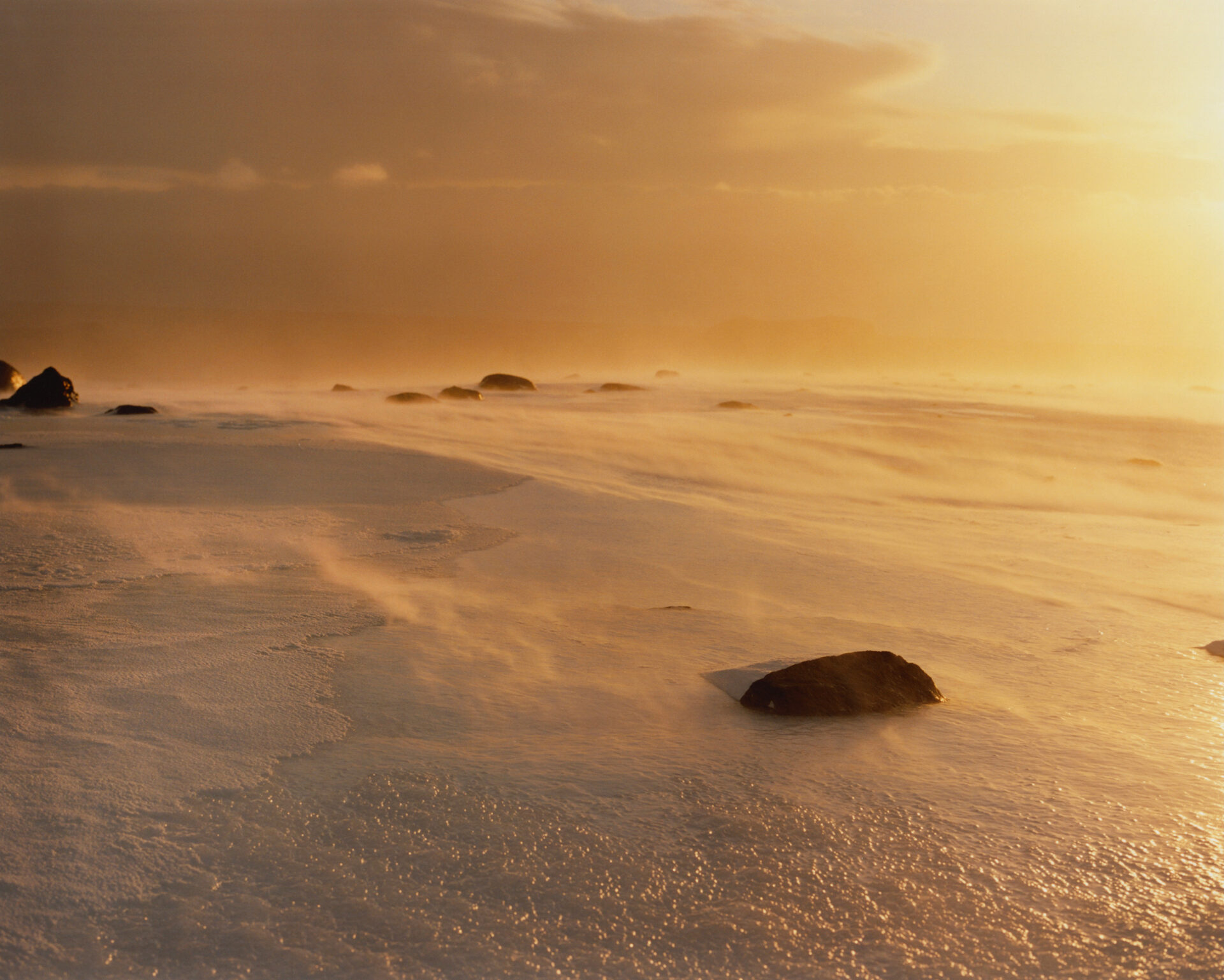
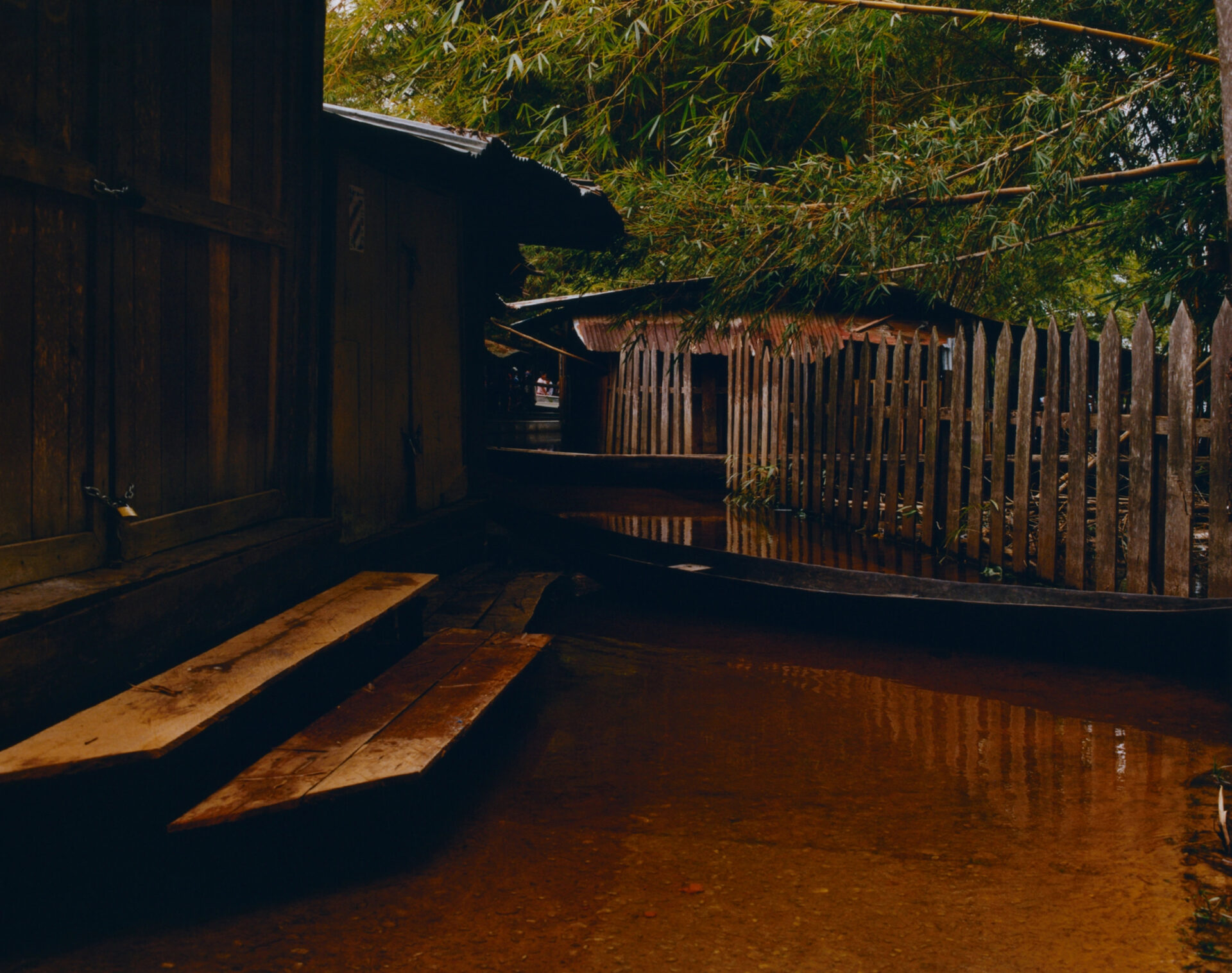
De Gueltzl’s passion for natural landscapes and the communities who inhabit them, which is so evident in his portfolio, extends beyond aesthetic considerations. His images of dense jungles, small rivers, rocky coastlines, and vast canyons are more than just sights for sore eyes, they are tributes to the importance of earth’s many different ecosystems. Against a backdrop of greed and environmental destruction, de Gueltzl seeks to show the viewer the urgent need for preservation, the crucial task that lies ahead of us.
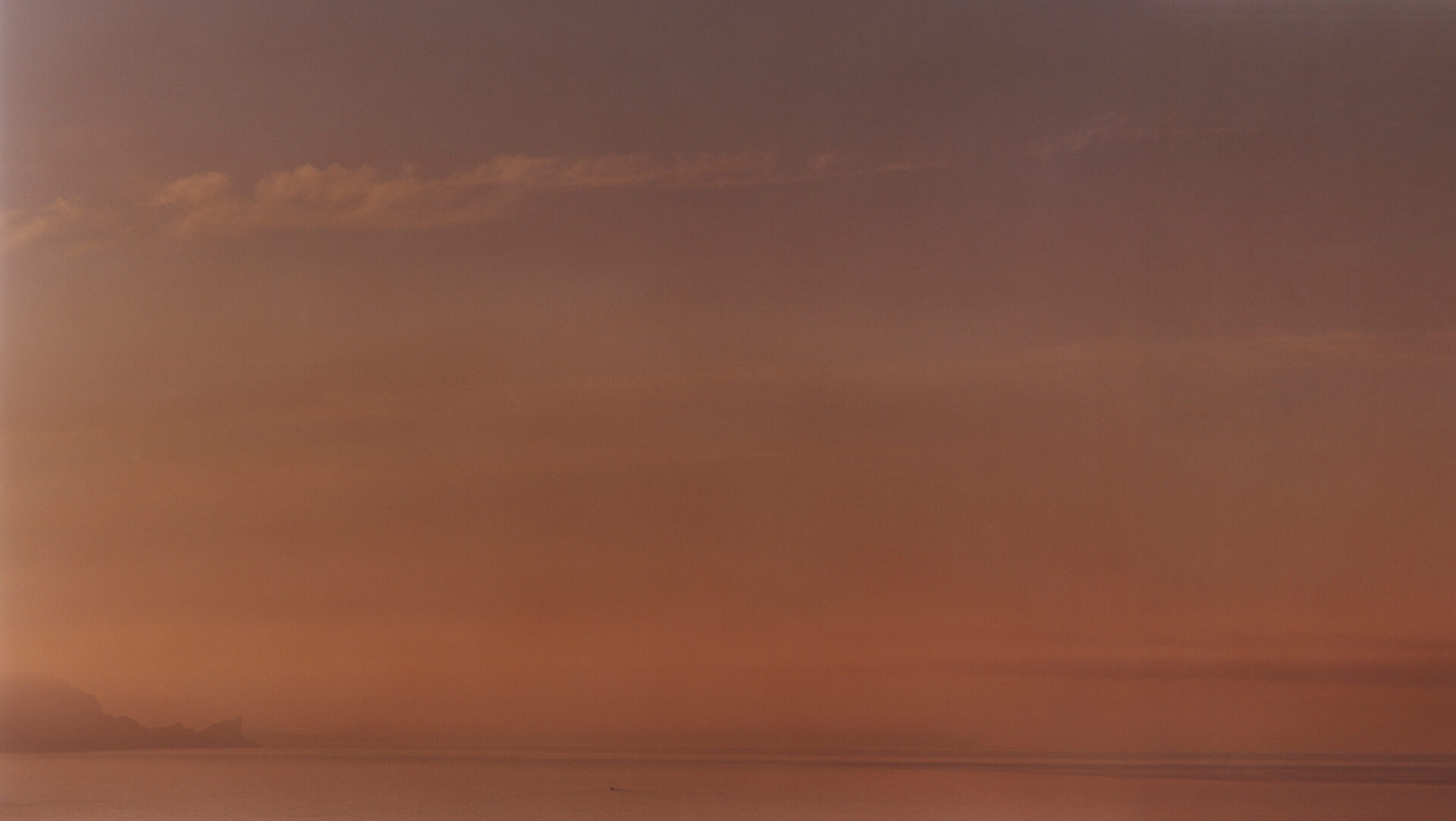
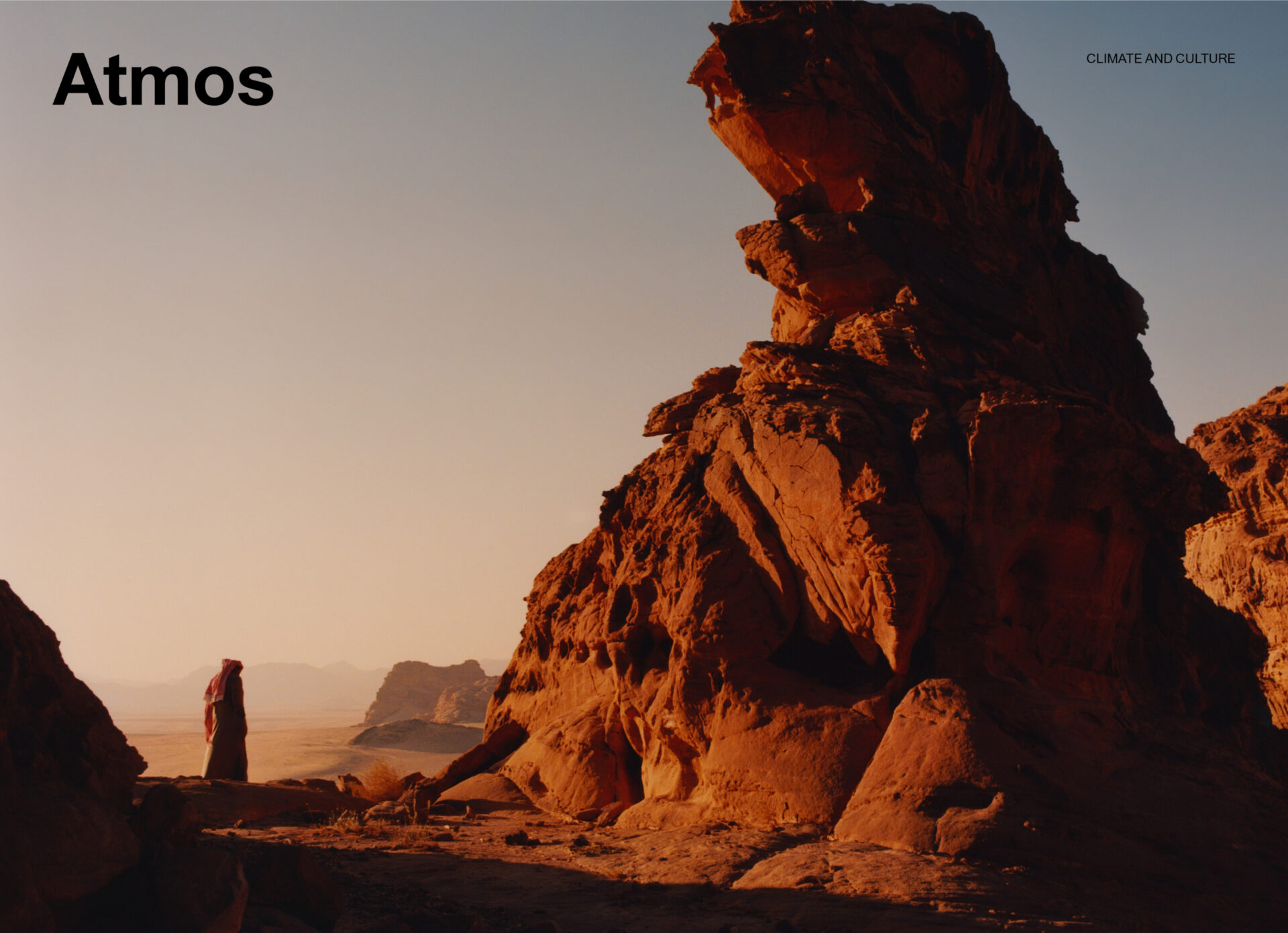
‘Fine Lines,’ a recent project for Atmos, an online platform and magazine dedicated to bridging the gap between climate and culture, saw de Gueltzl photograph horizons from the Swiss Alps to the Mediterranean Sea. In the images, we witness the true diversity of the natural world, from harsh and wintery mountainscapes, to fast-flowing rivers, to soft and inviting shorelines, as de Gueltzl traces the journey to the ocean. These photos are accompanied by a poem he co-wrote with Ralph Cox that speaks of the ‘thin places’ where we find ourselves between landscapes and ‘between two worlds.’ In this project, as in many of his other projects, de Gueltzl shows us the potential of using photography to preserve nature and culture.



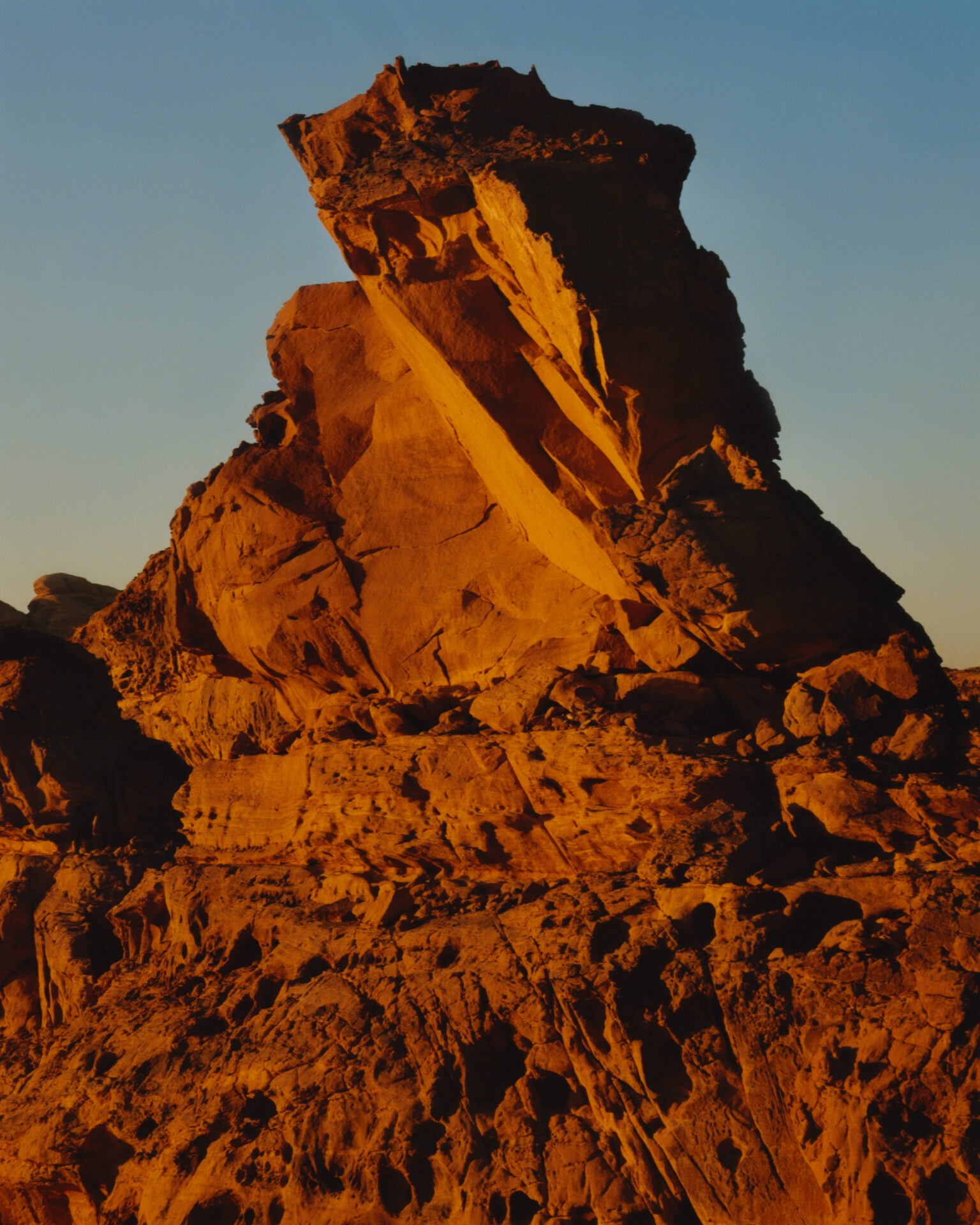
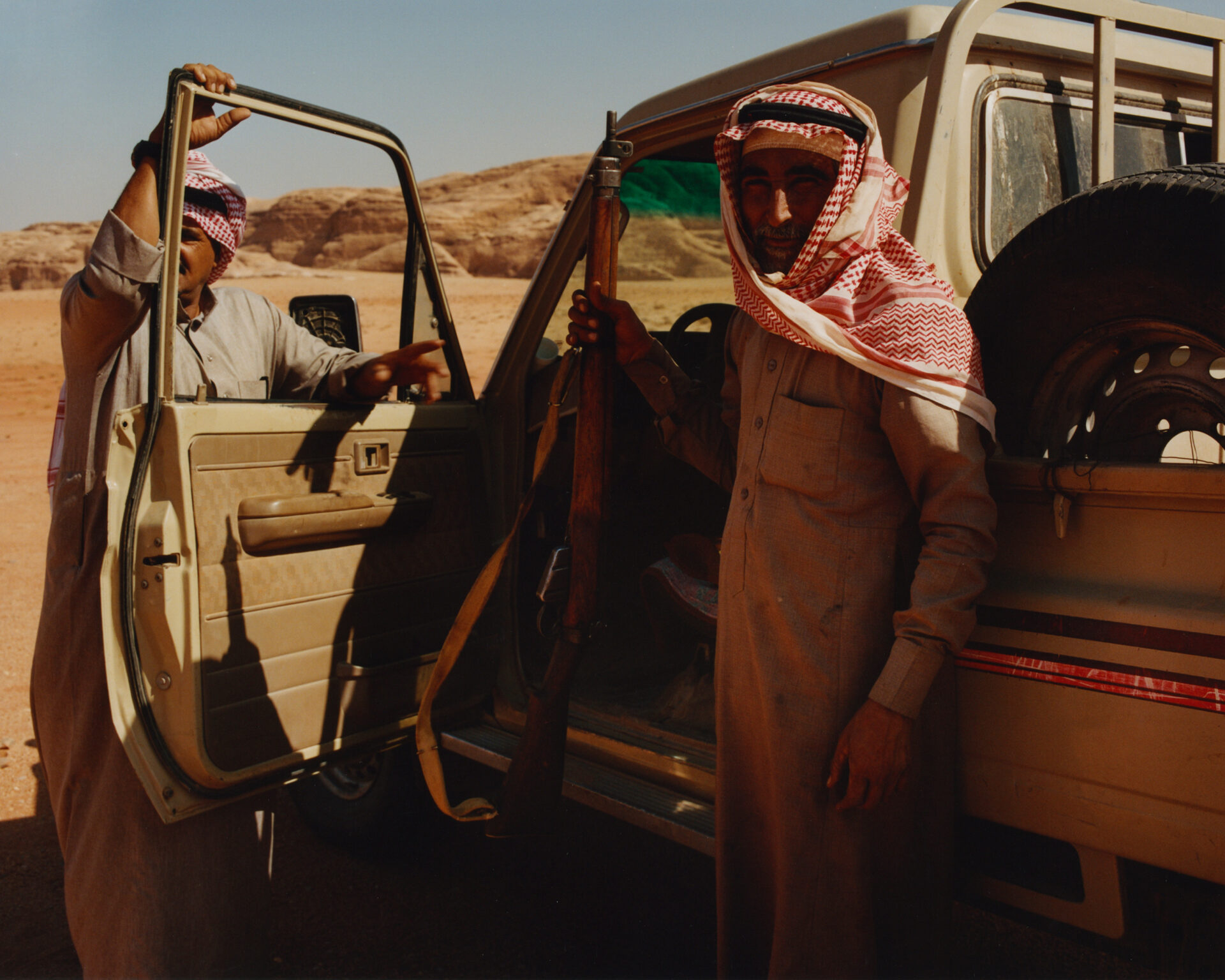
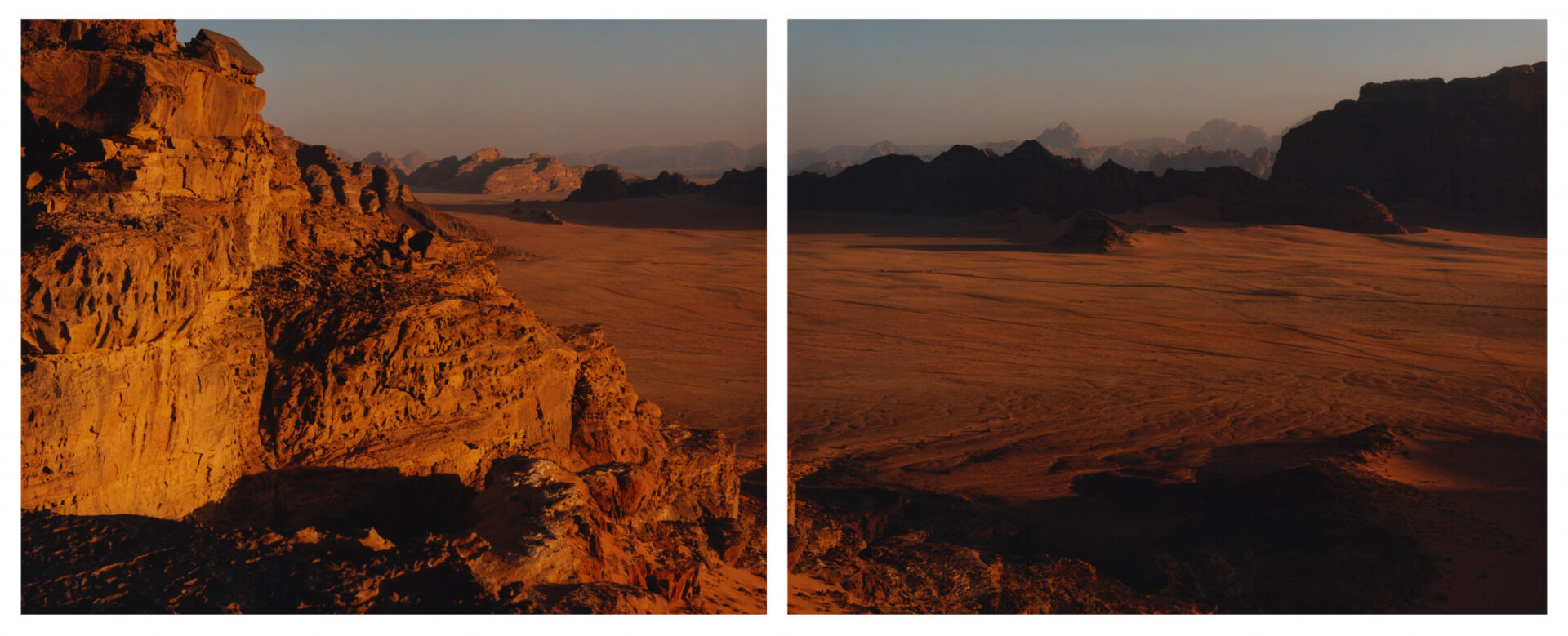
“I try through my photographs to capture the holistic side of the natural world and hope that it will help people to look at the landscape as something rich when it's alive, and not as something to harvest or use for short-term benefit.”


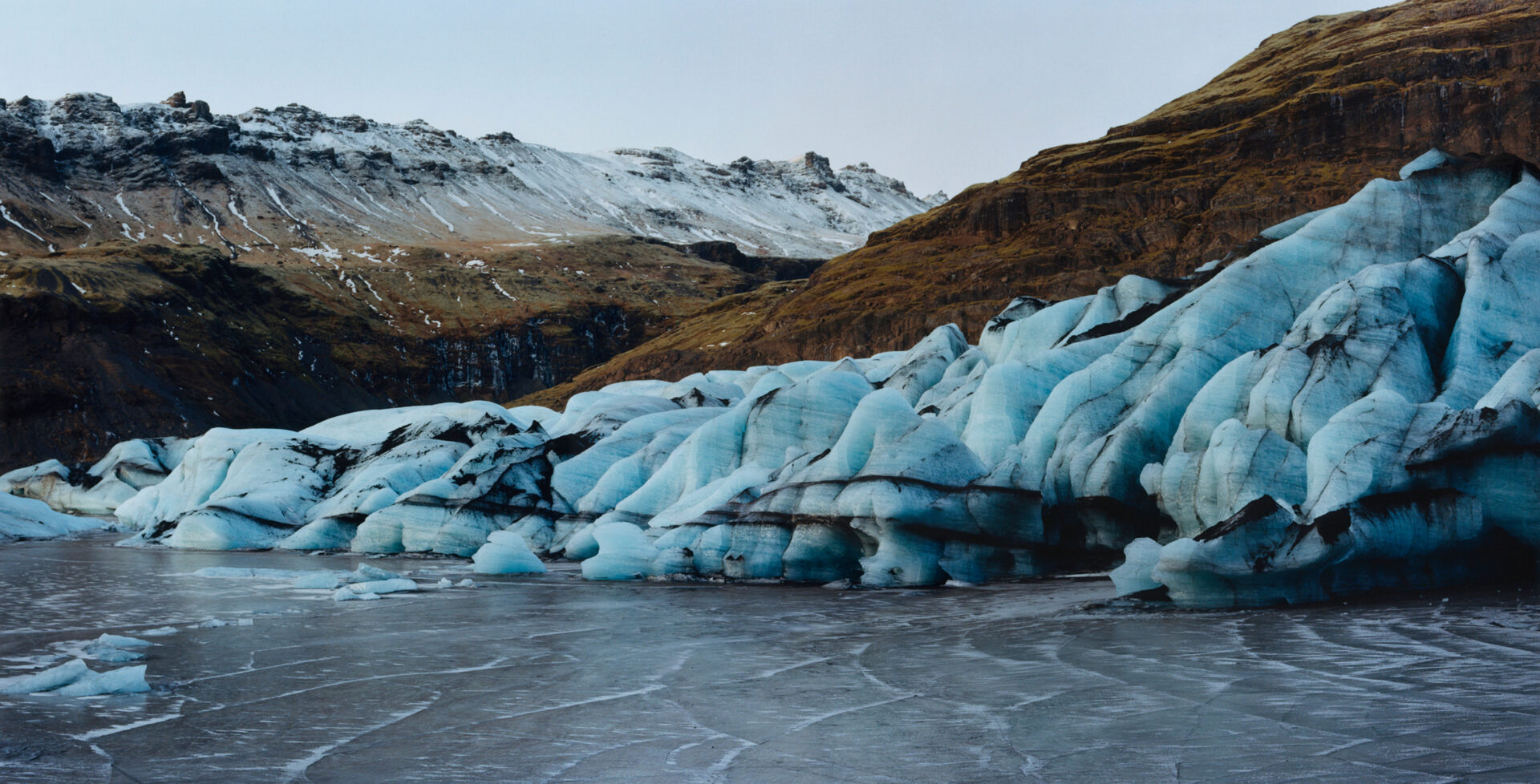


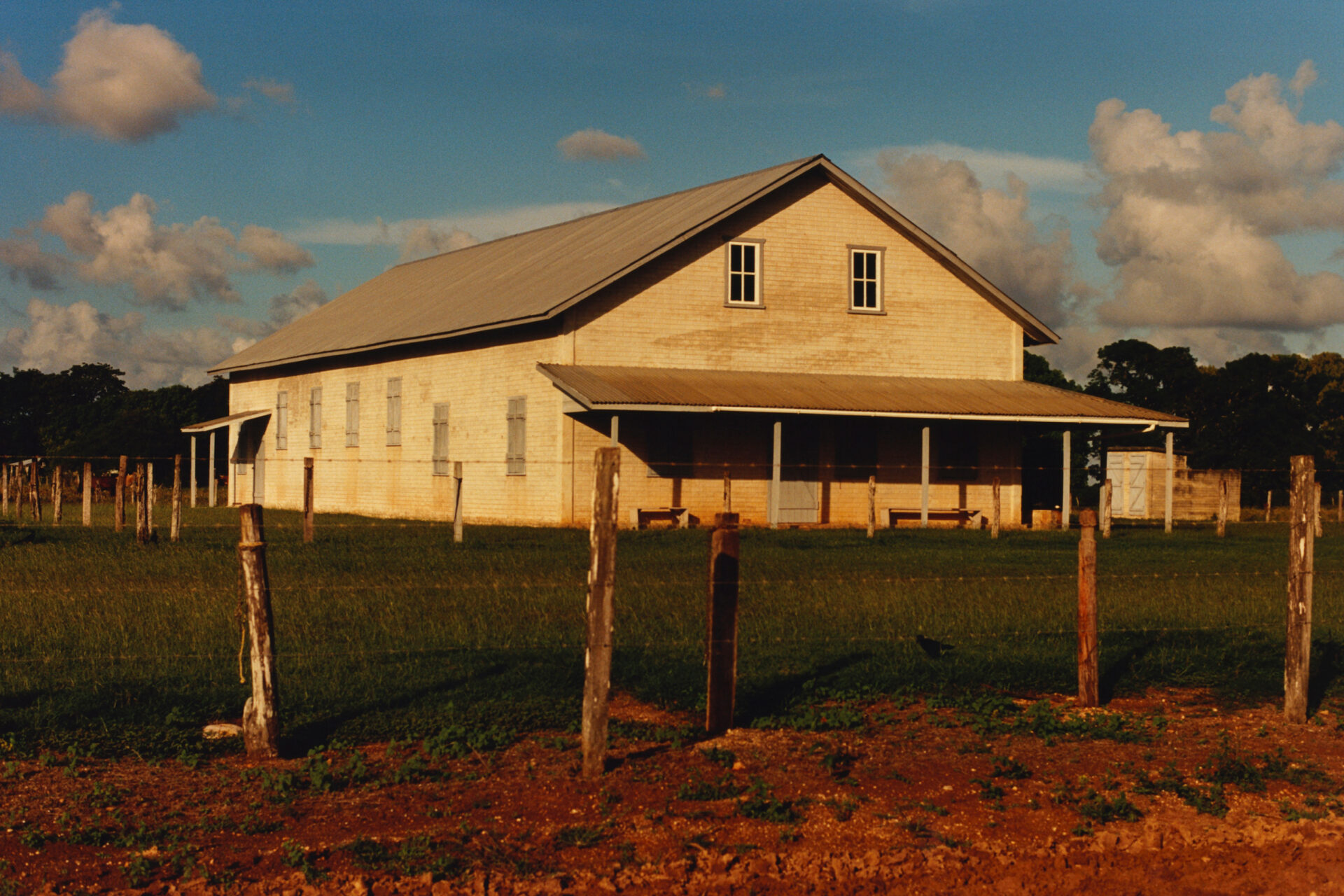
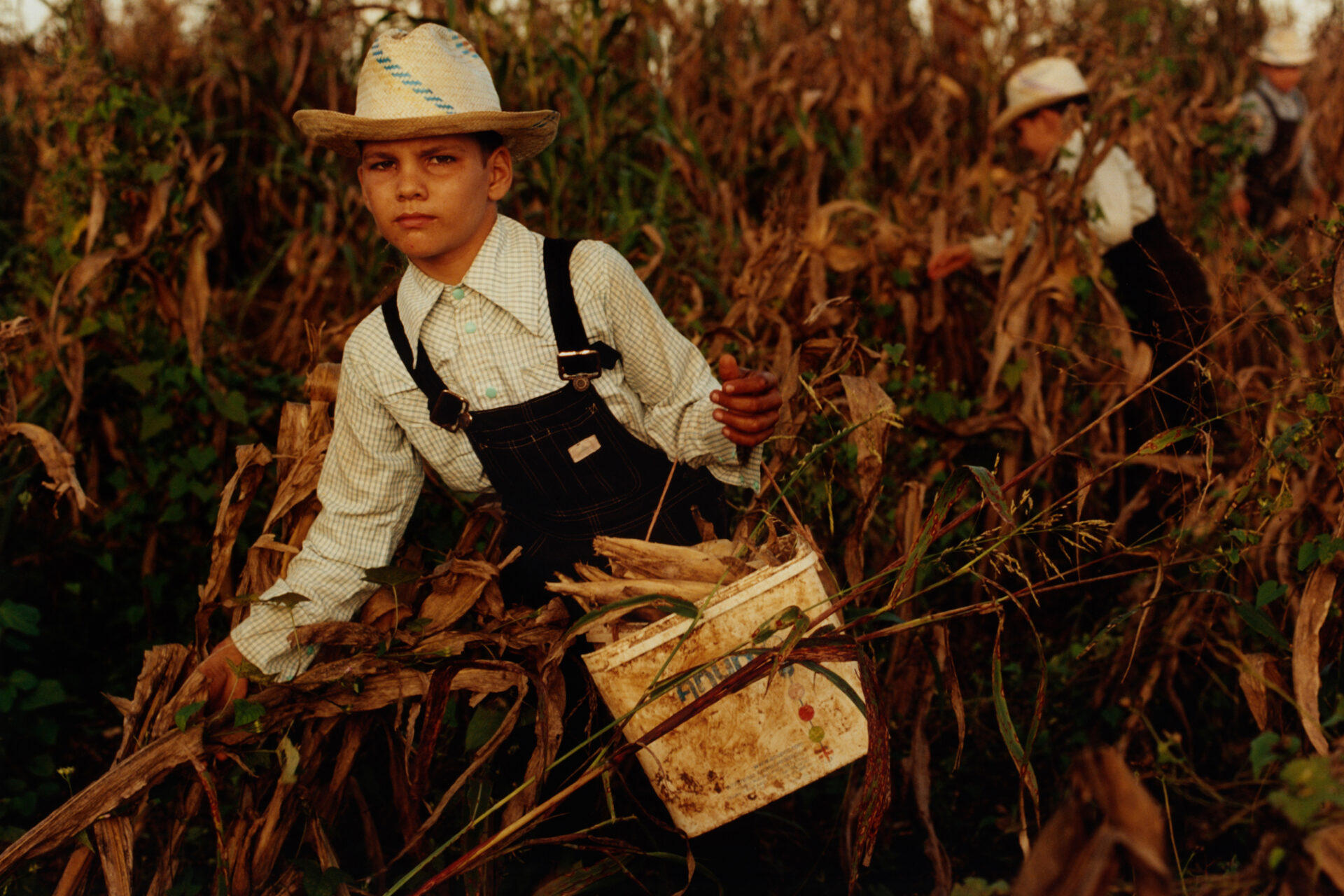


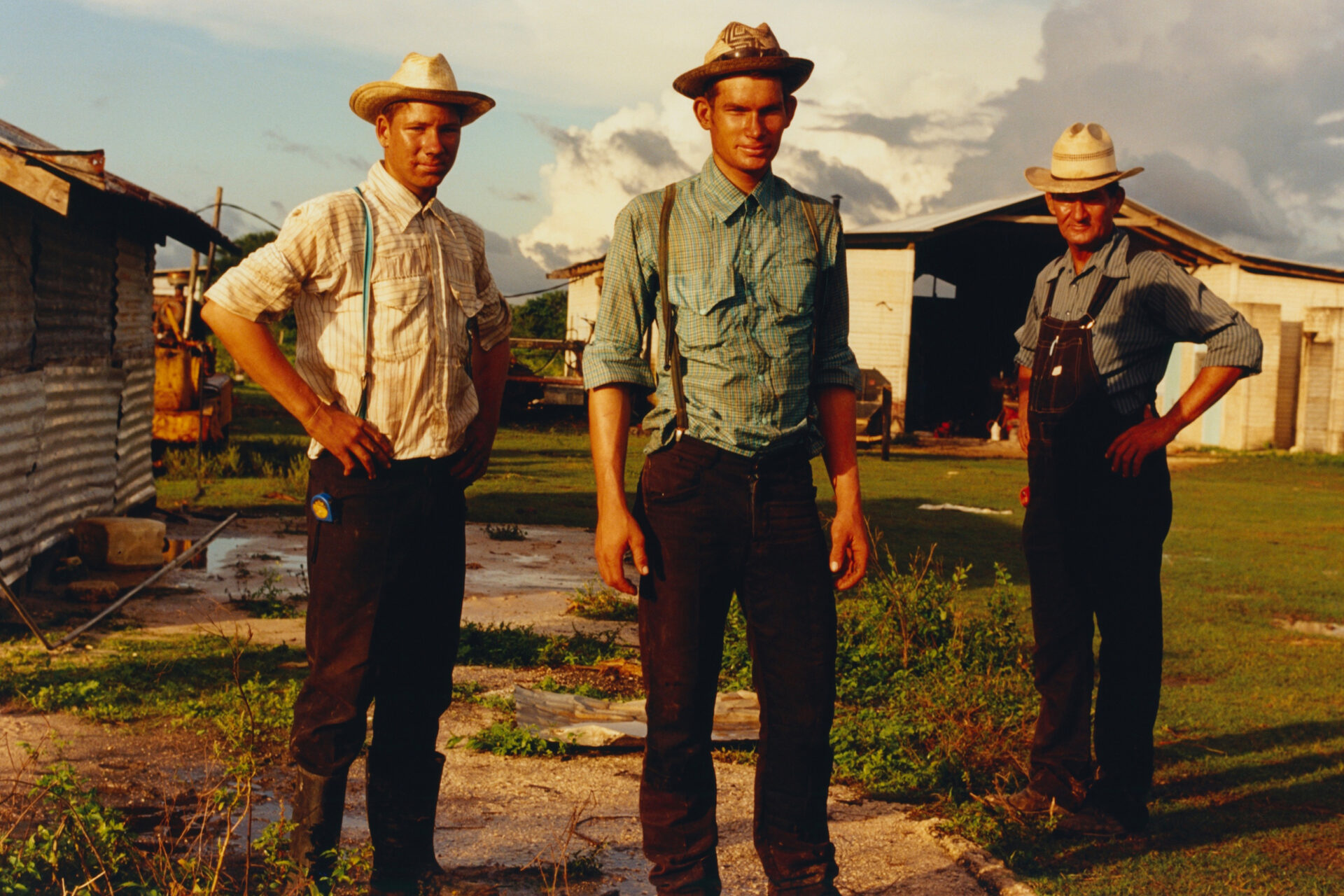


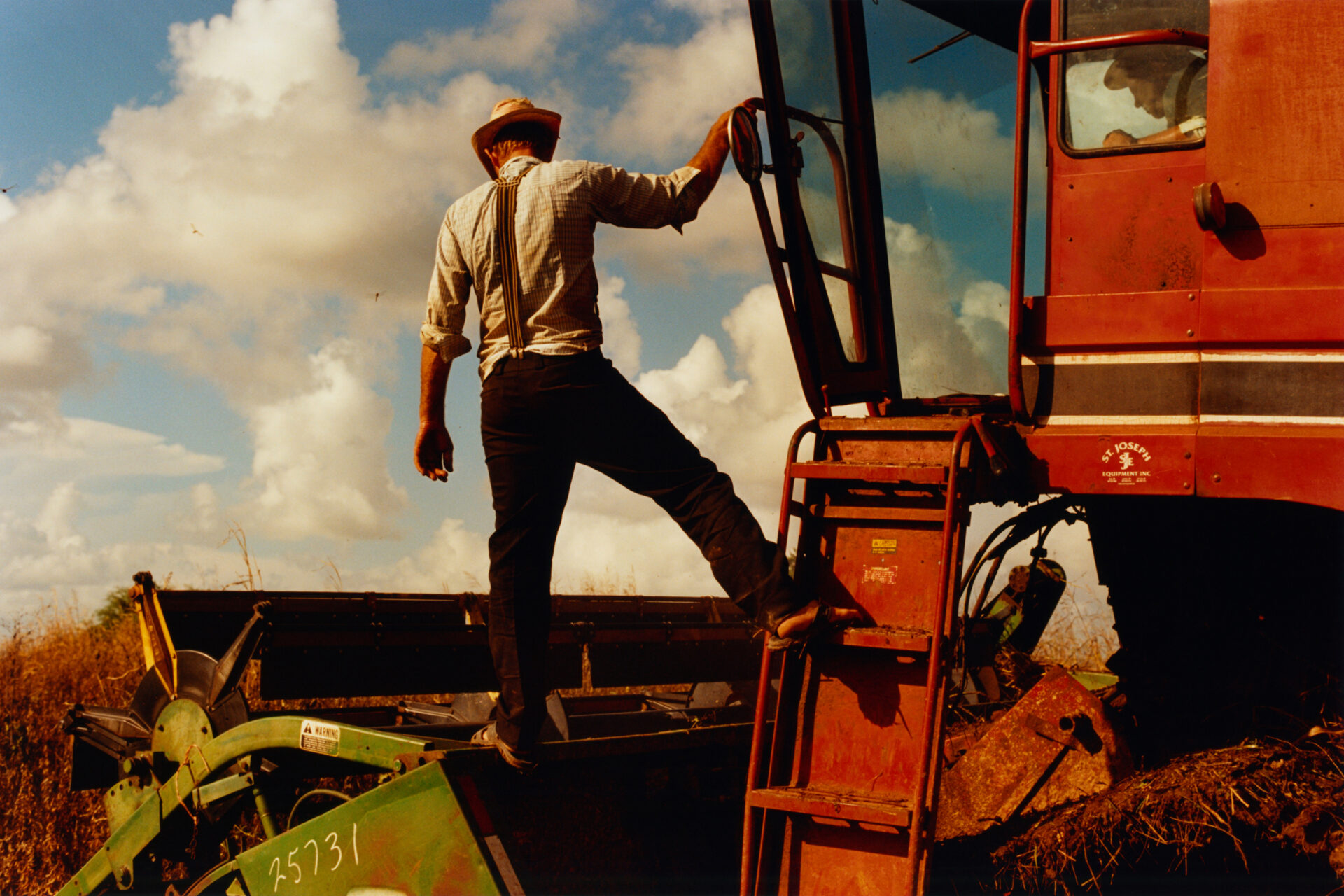
“I am drawn to a particular kind of people and places. Cultures that go unnoticed. People who one could call outsiders.”
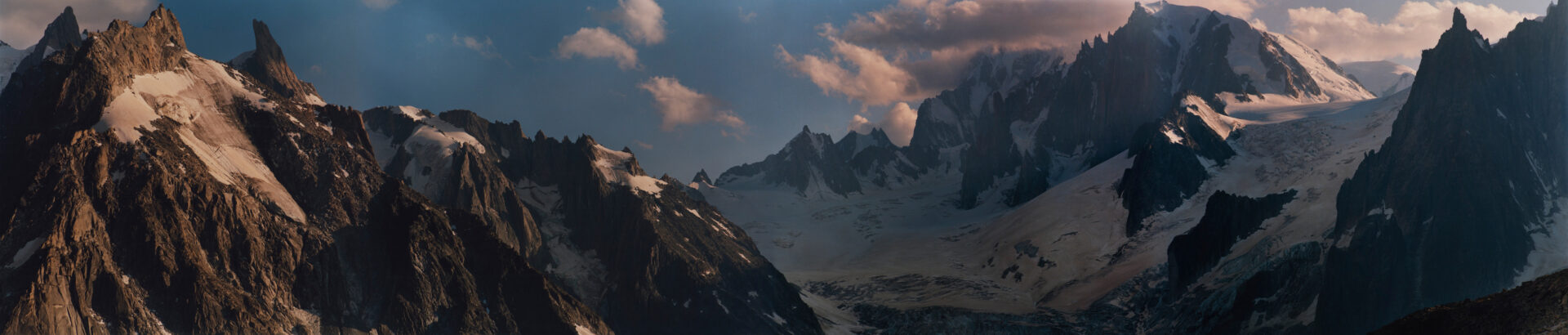


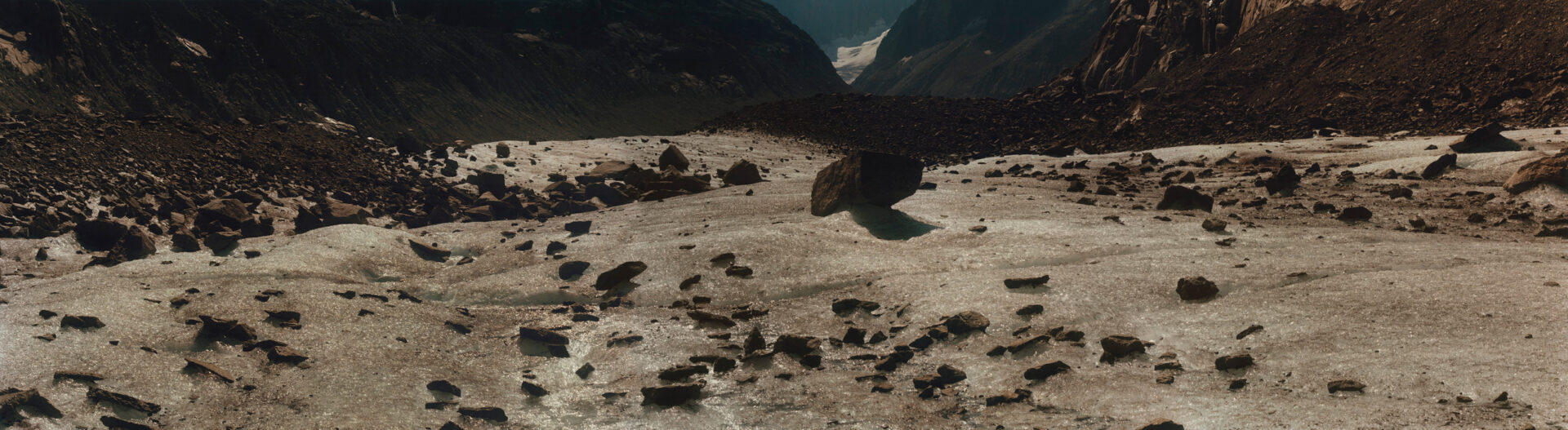
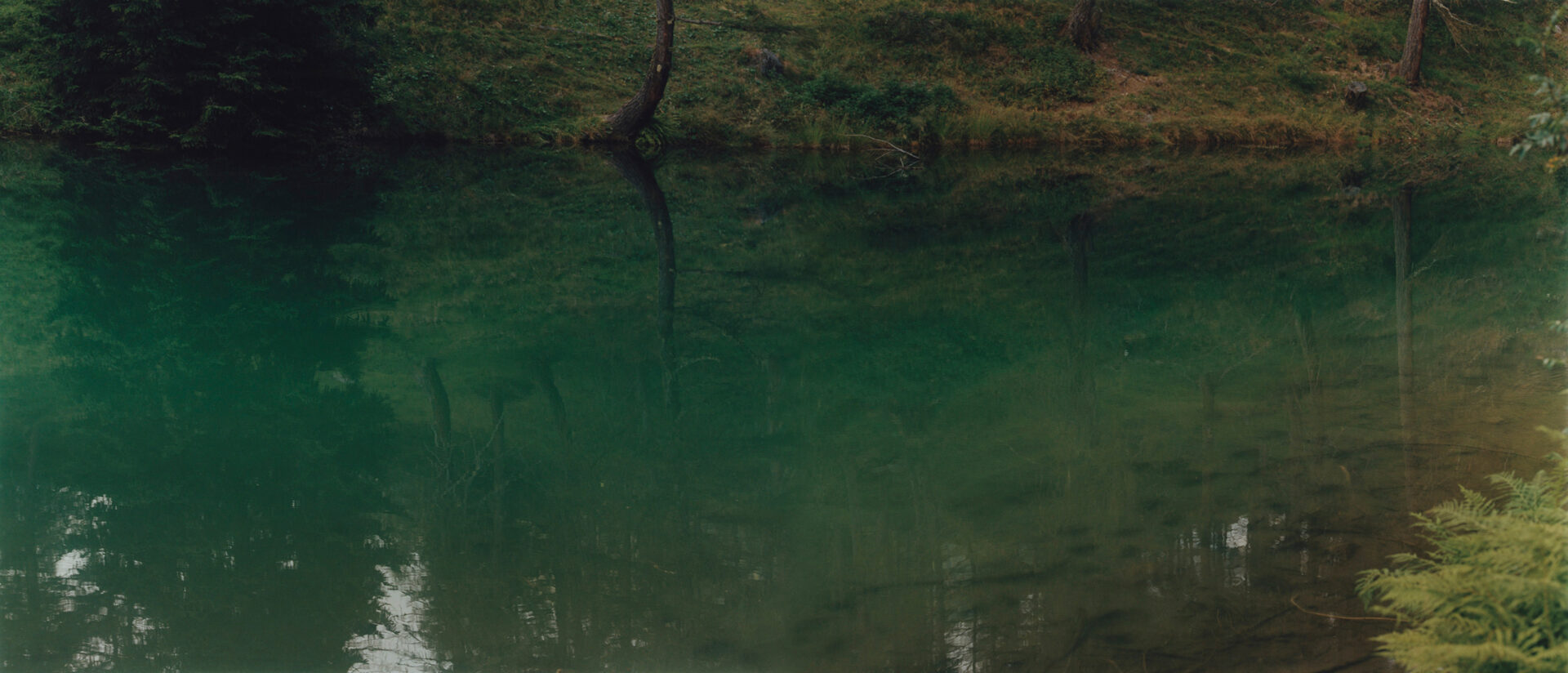


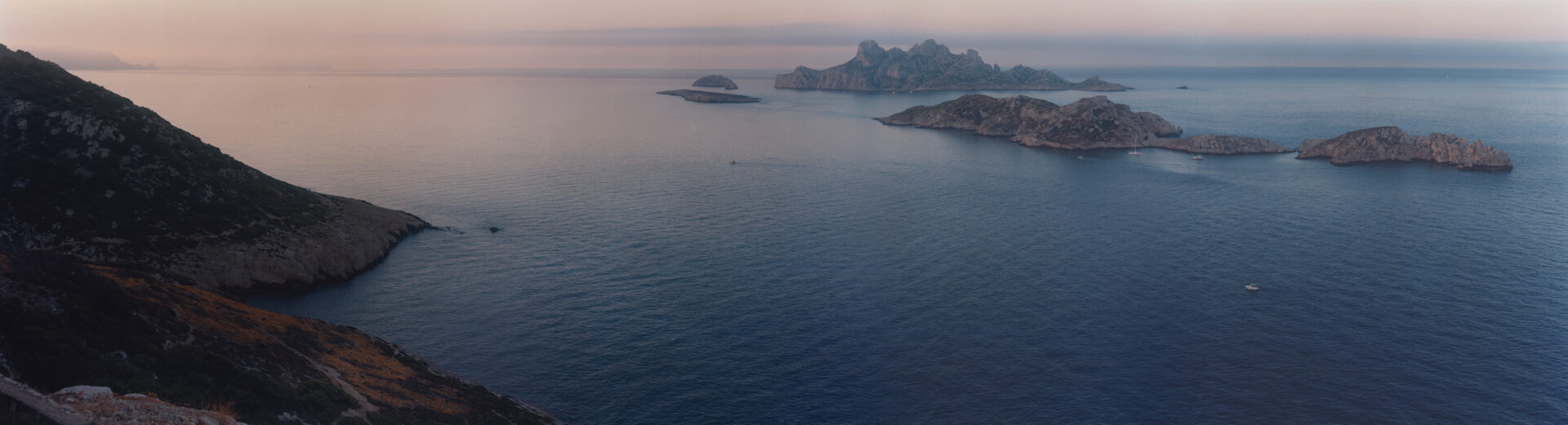
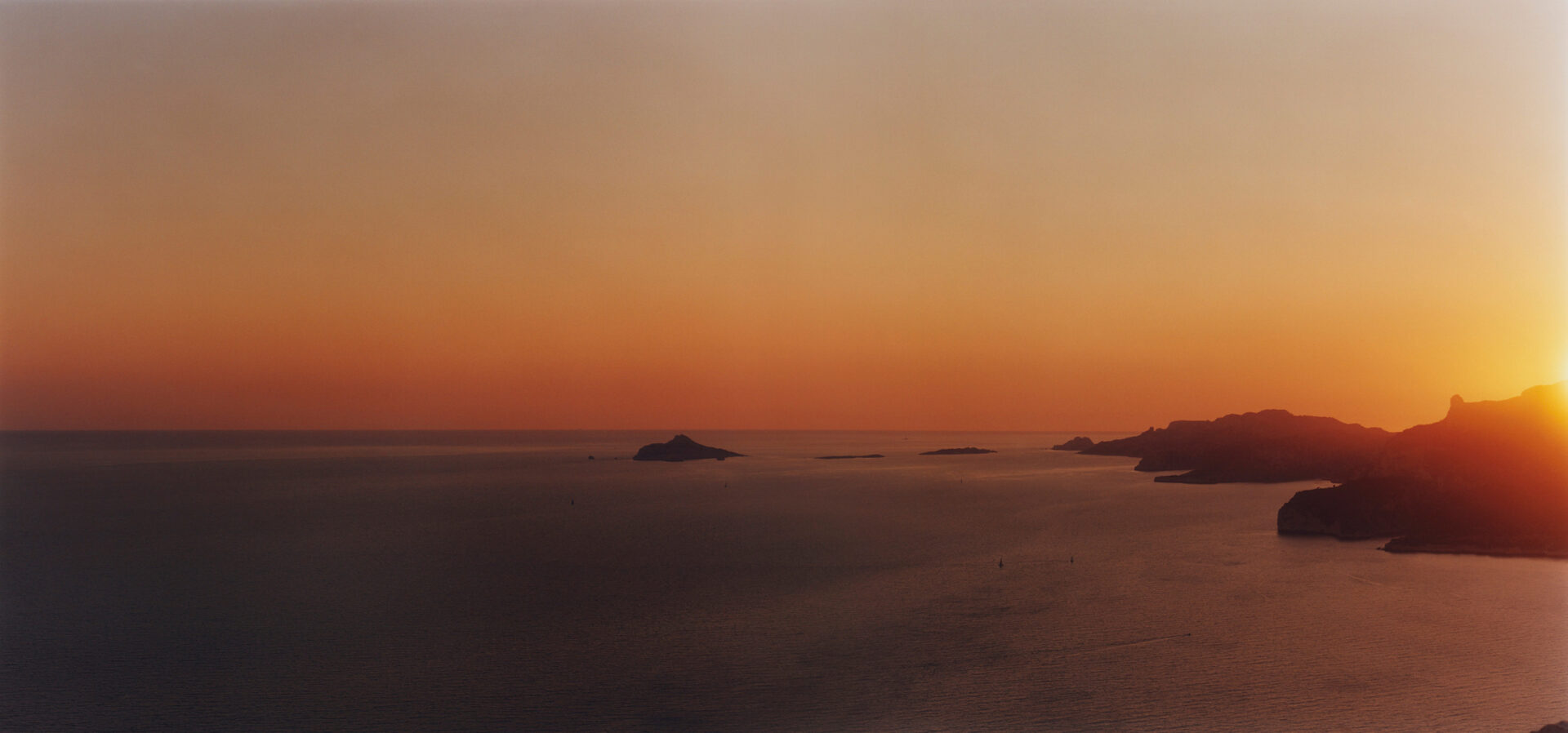
“Théo shows us the potential of using photography to preserve nature and culture.”
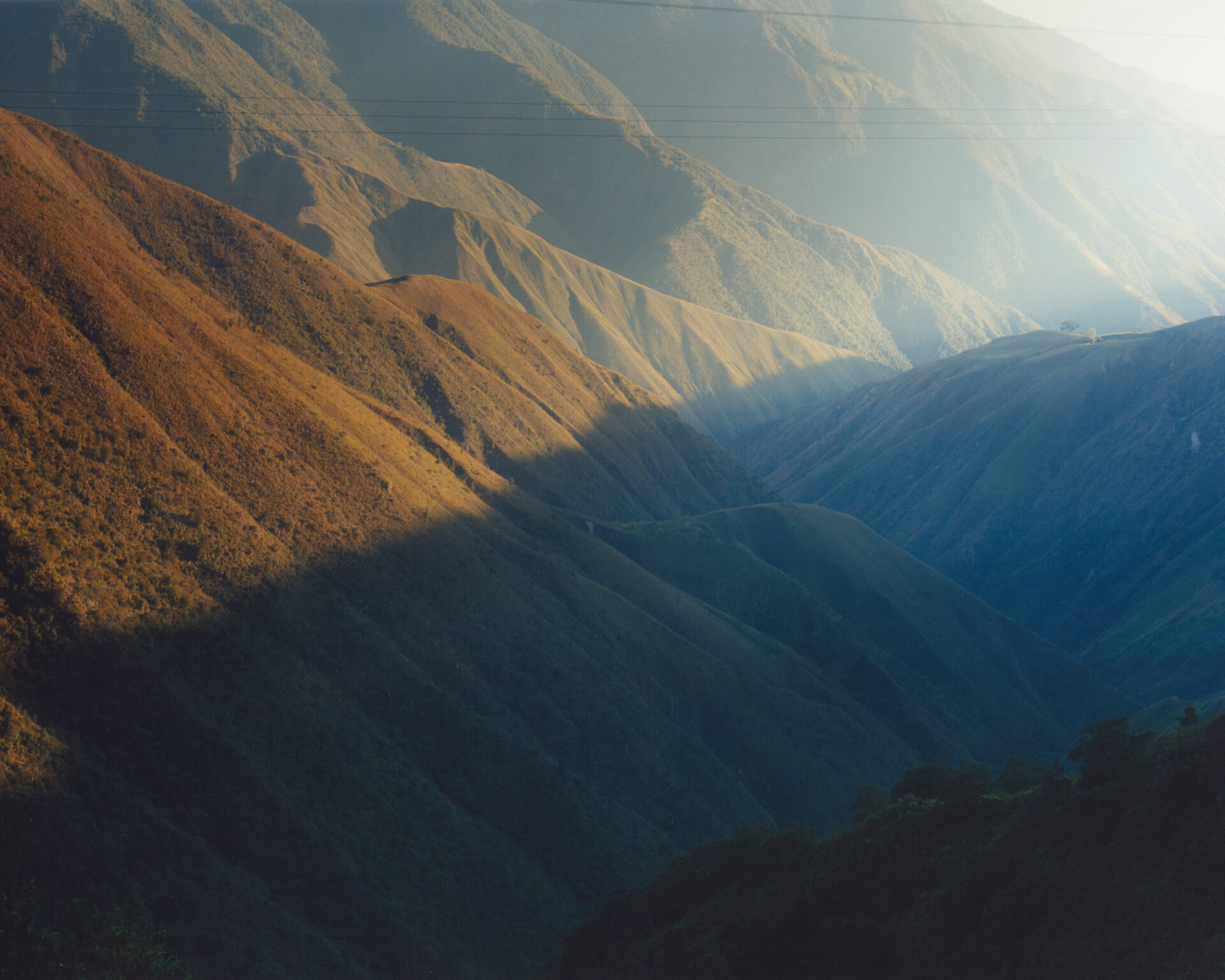
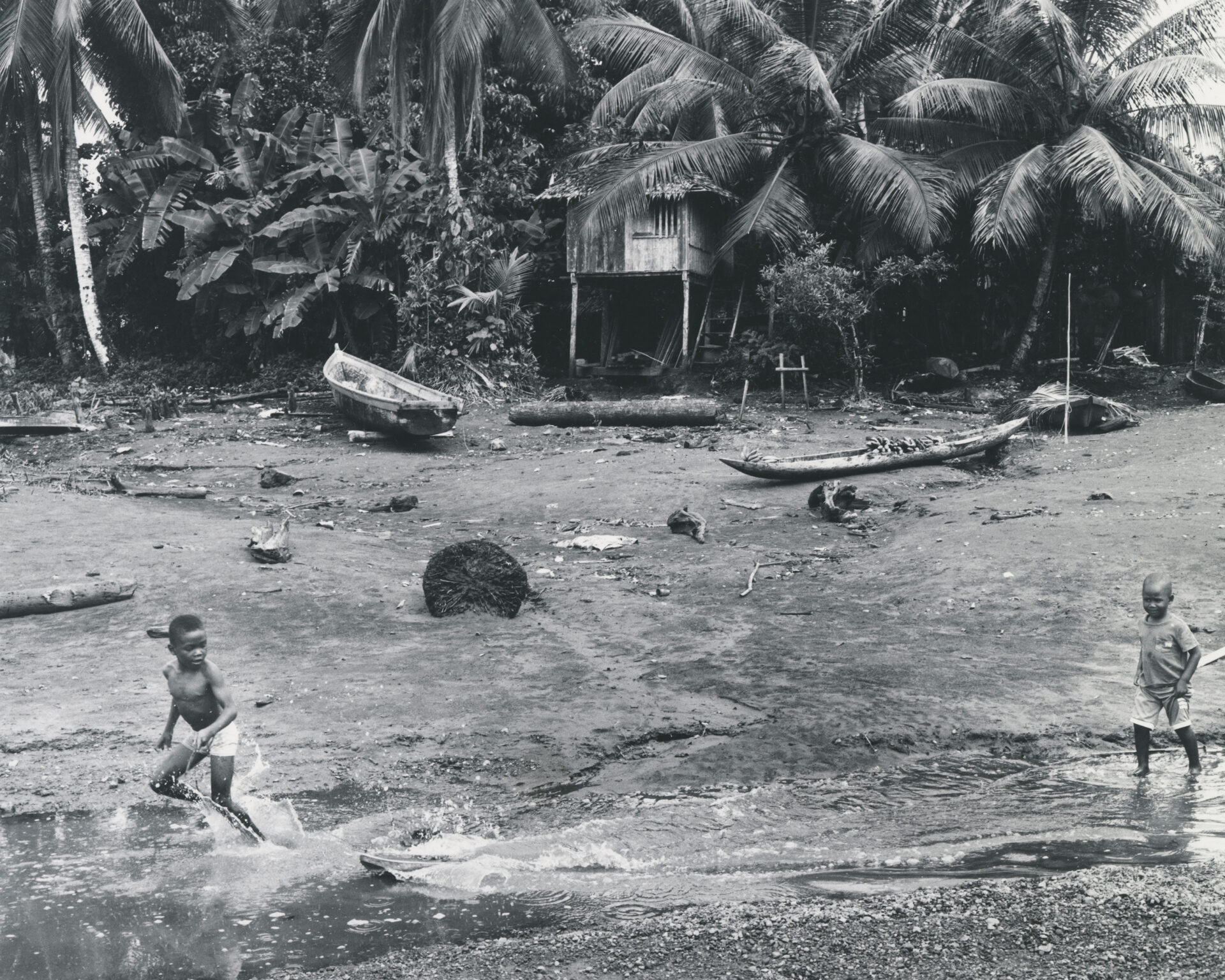


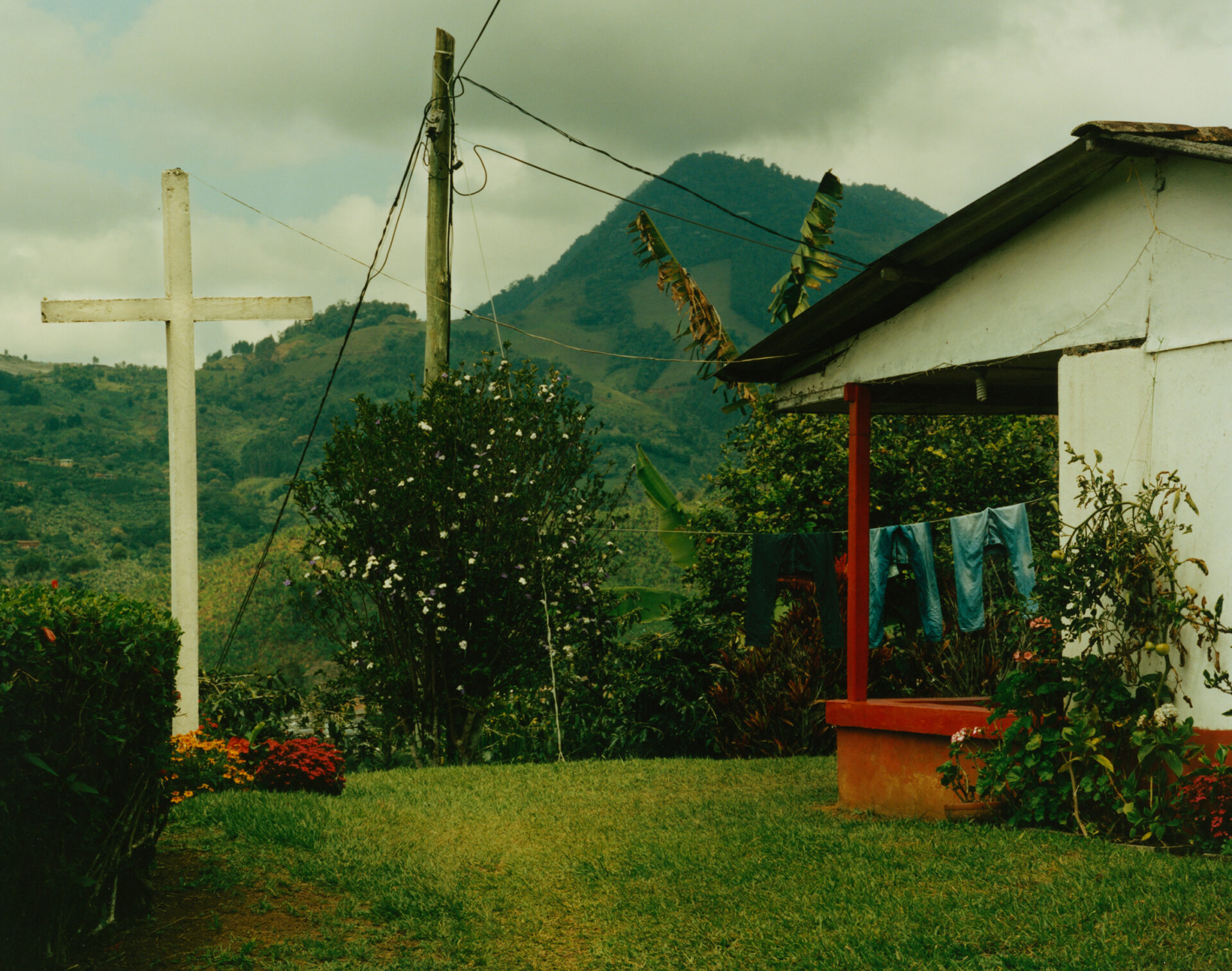


“In a time where we are all looking at the world through the same filtered window, and living on a planet that is always growing and changing, I like the idea that photographs can act as proof, carrying information about how people lived in a certain place at a certain time.”
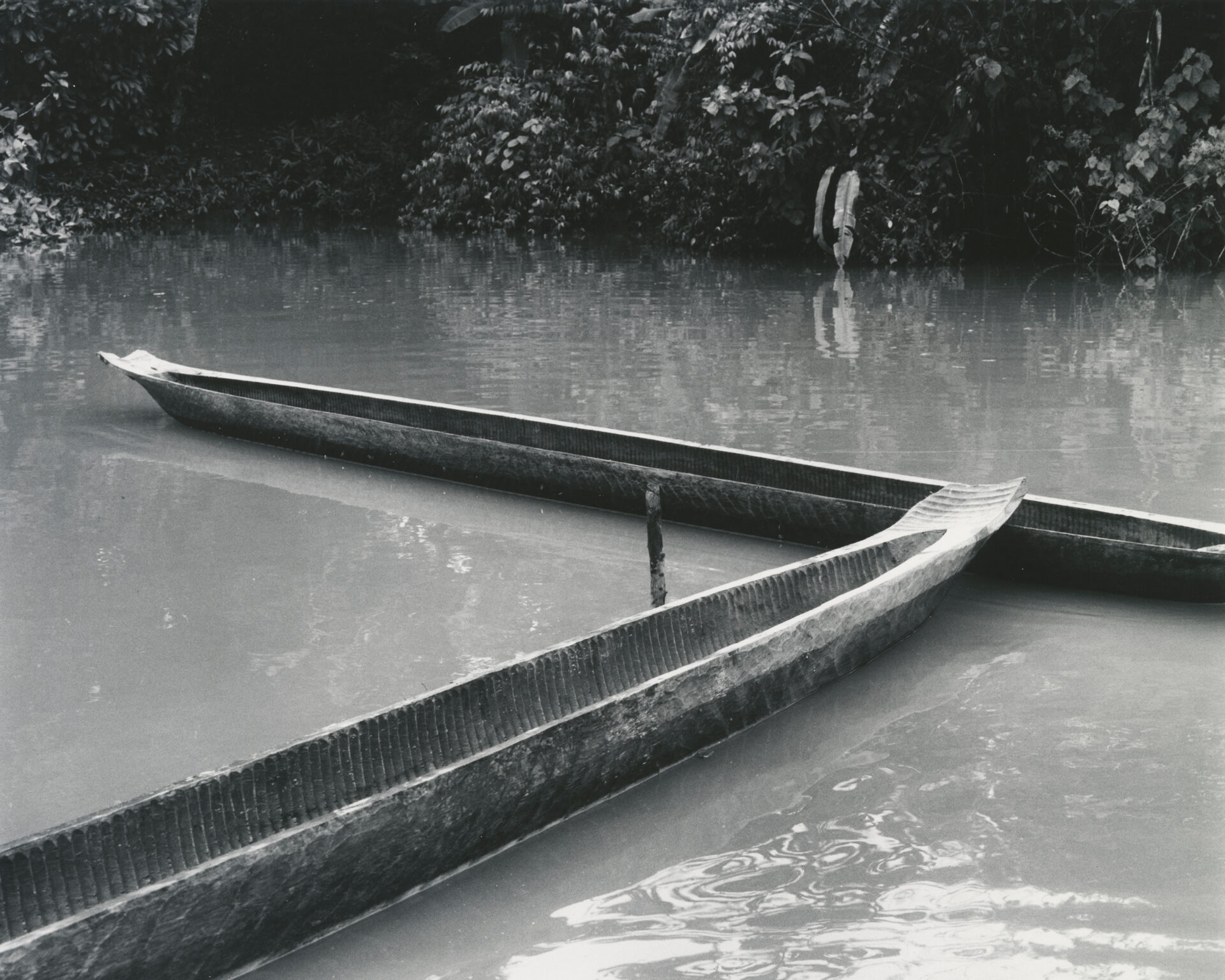
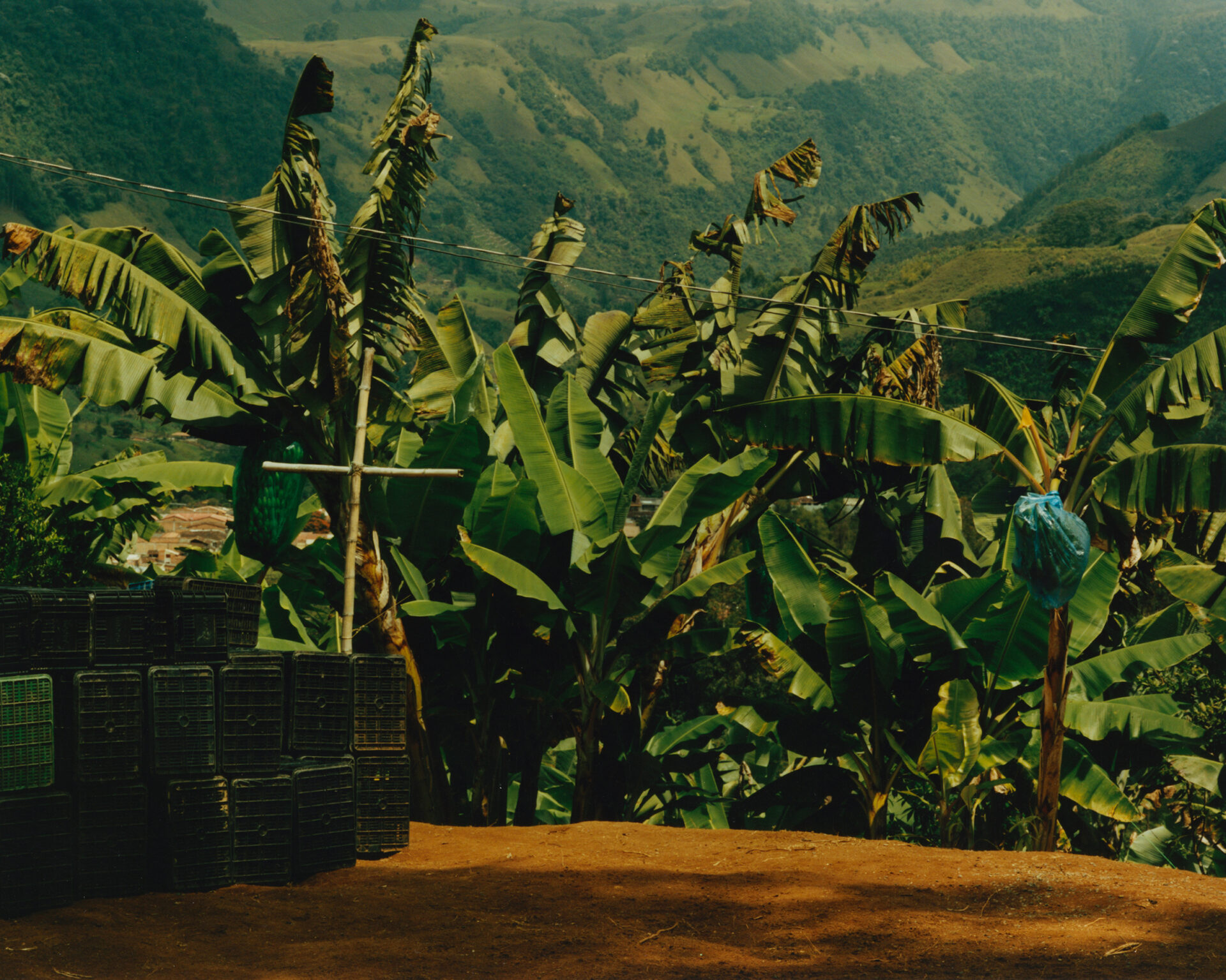

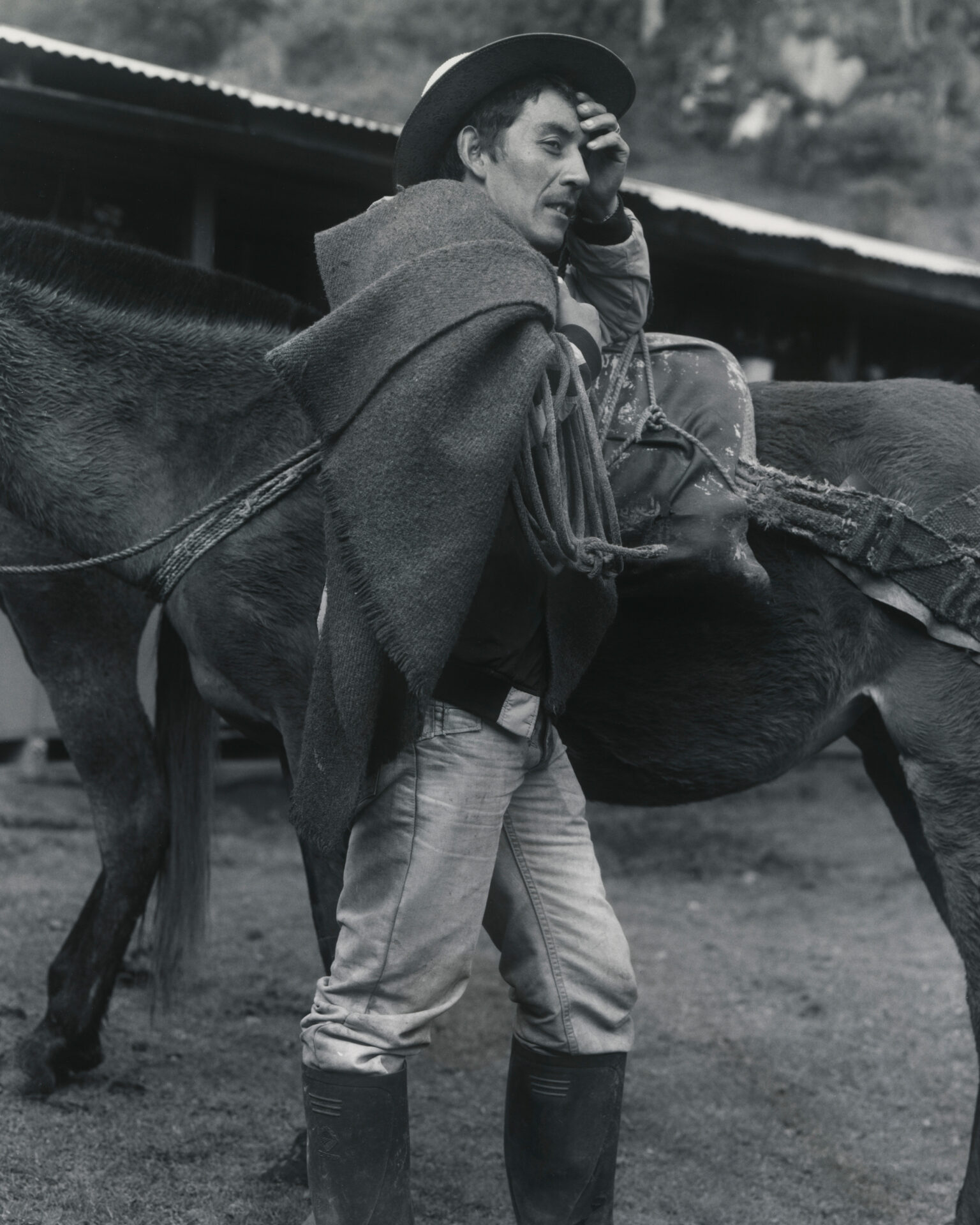
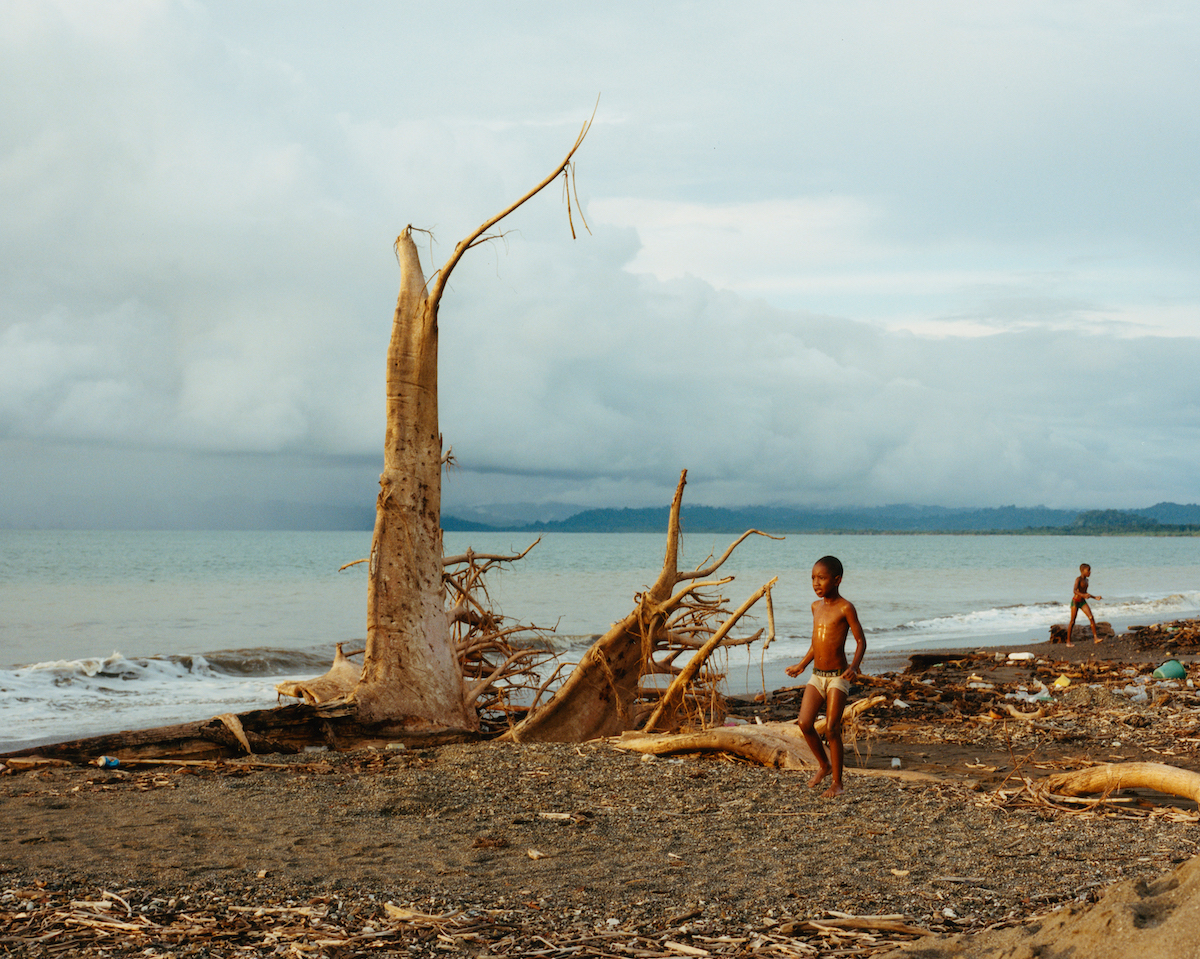
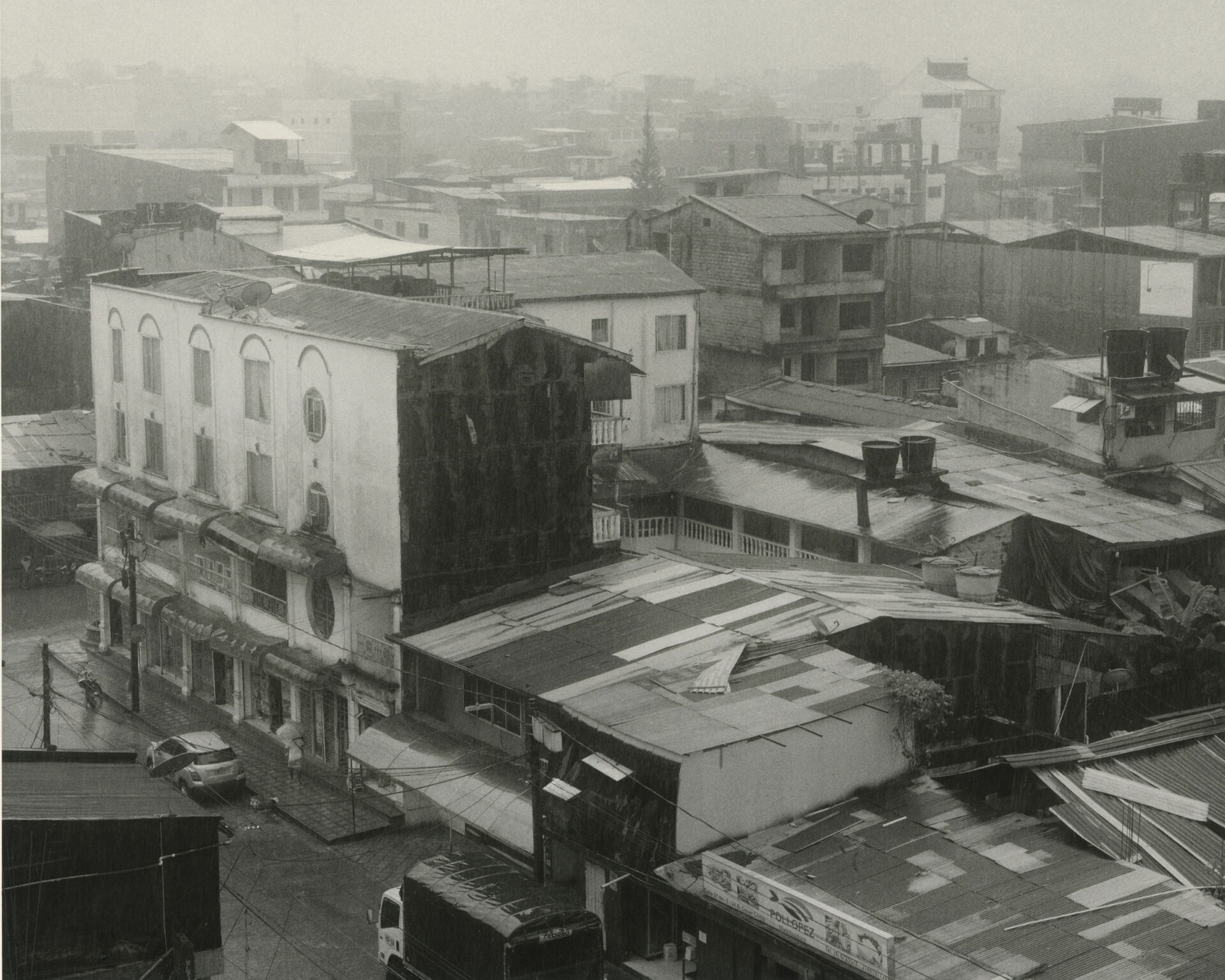
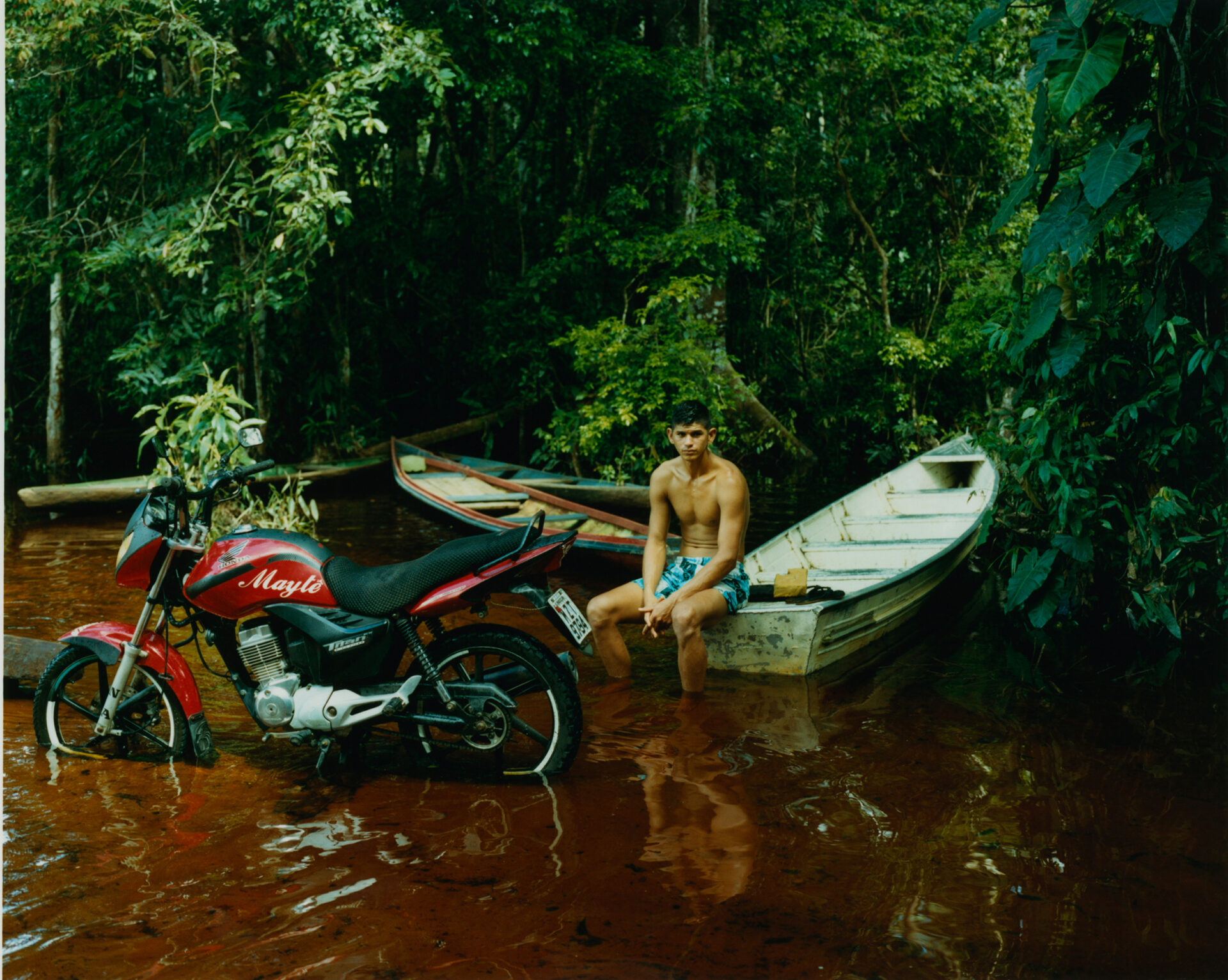


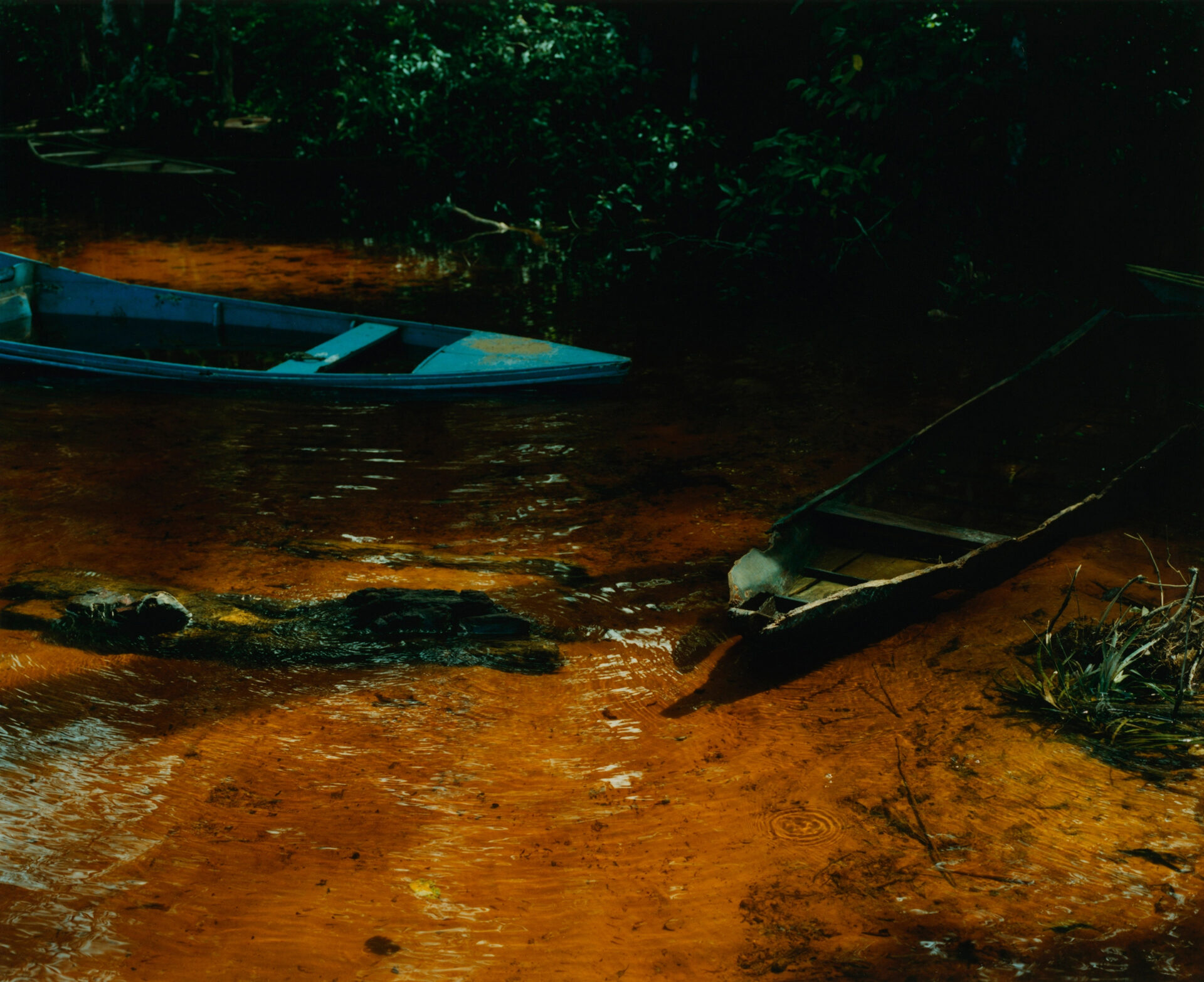
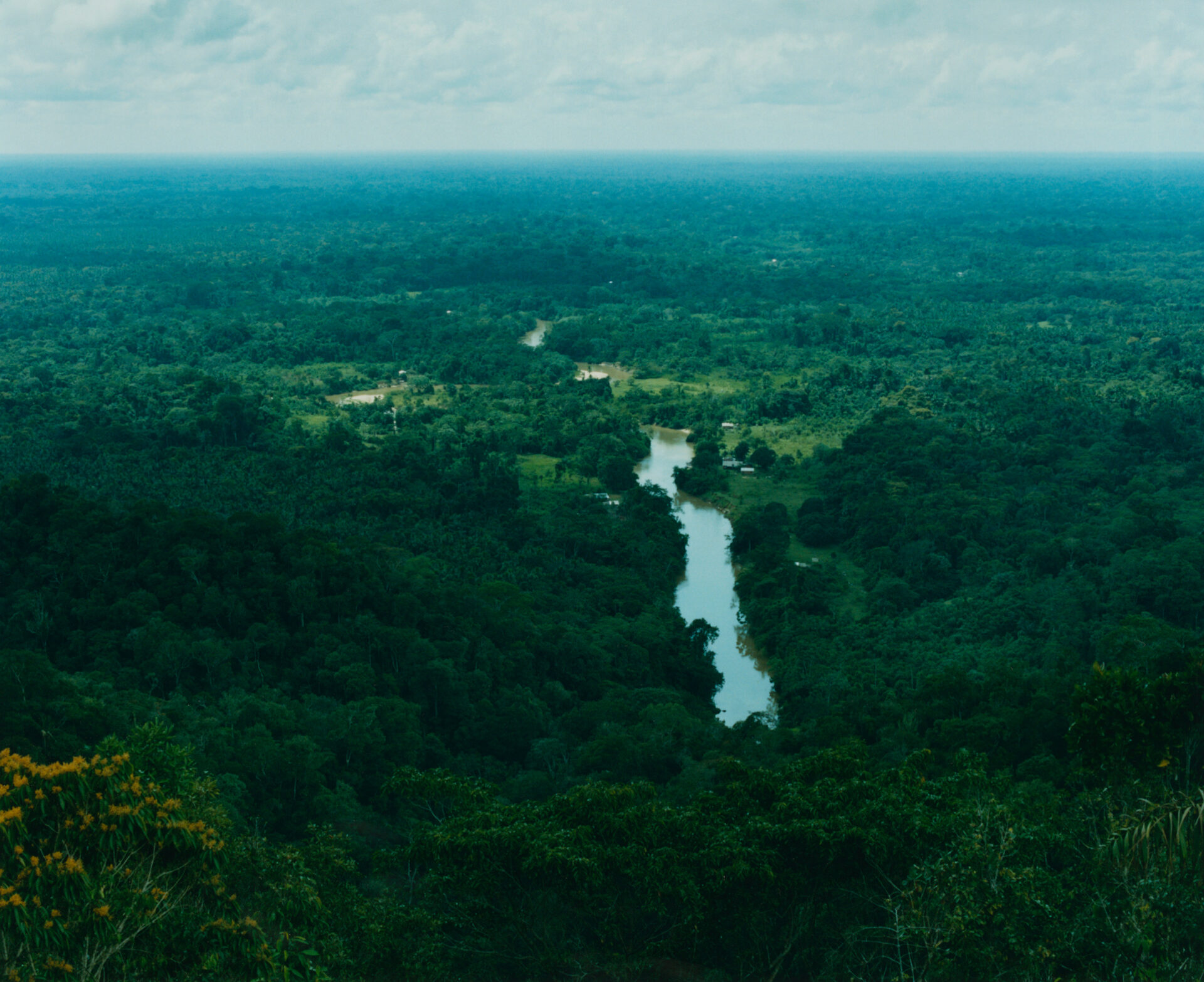
“I think I have been very much driven towards telling the stories of communities from other parts of the world in the hope of helping to preserve the diversity of culture.”


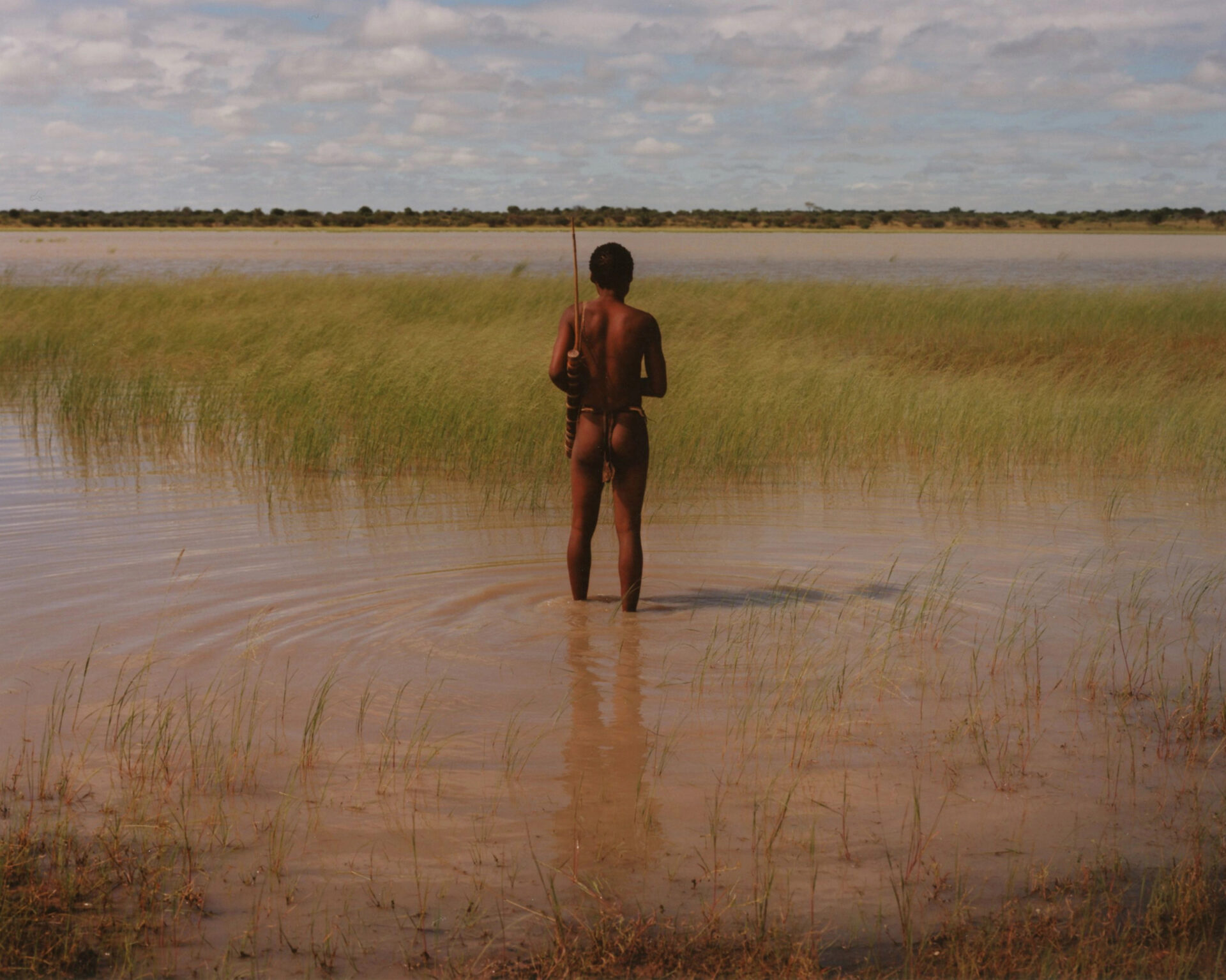

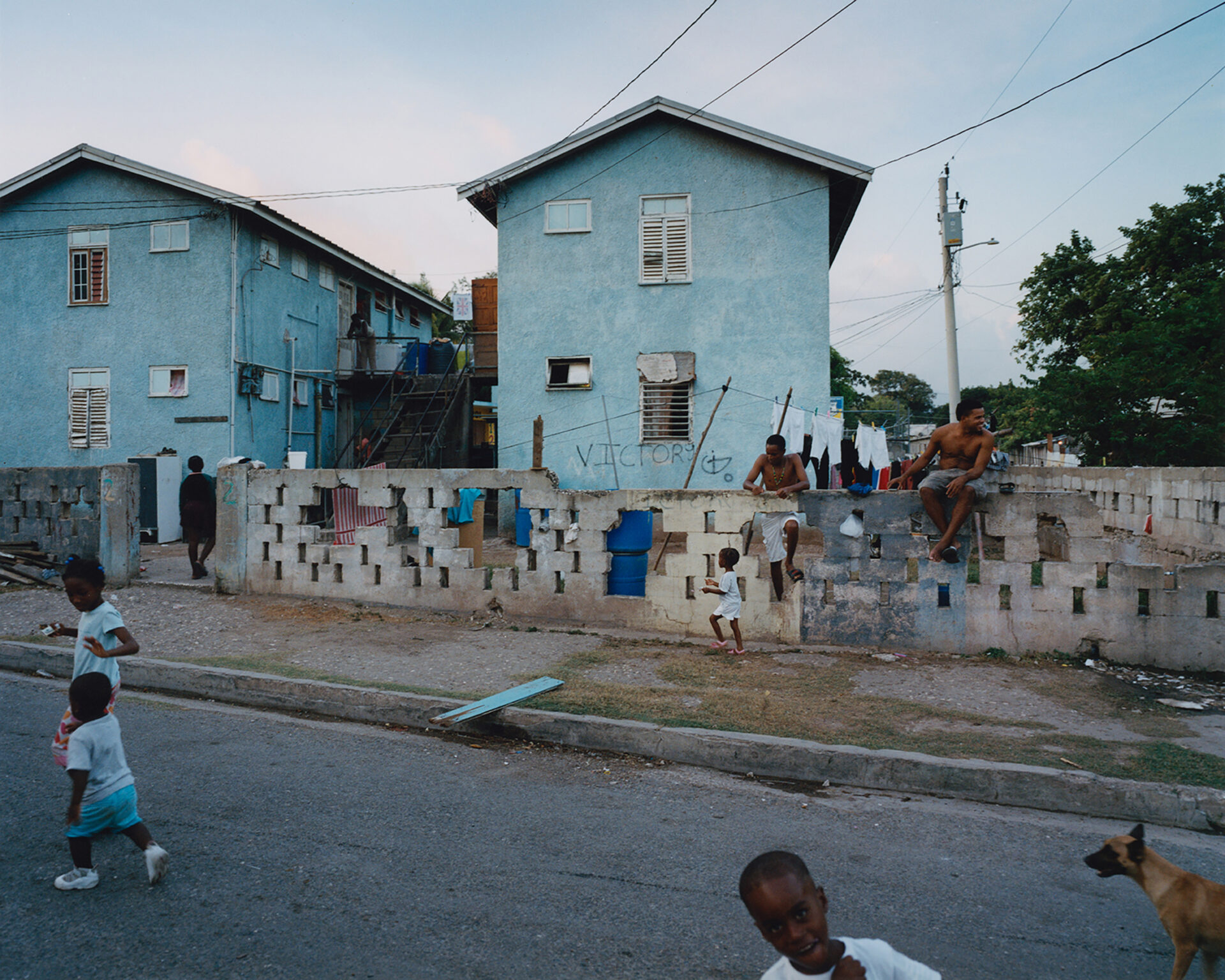


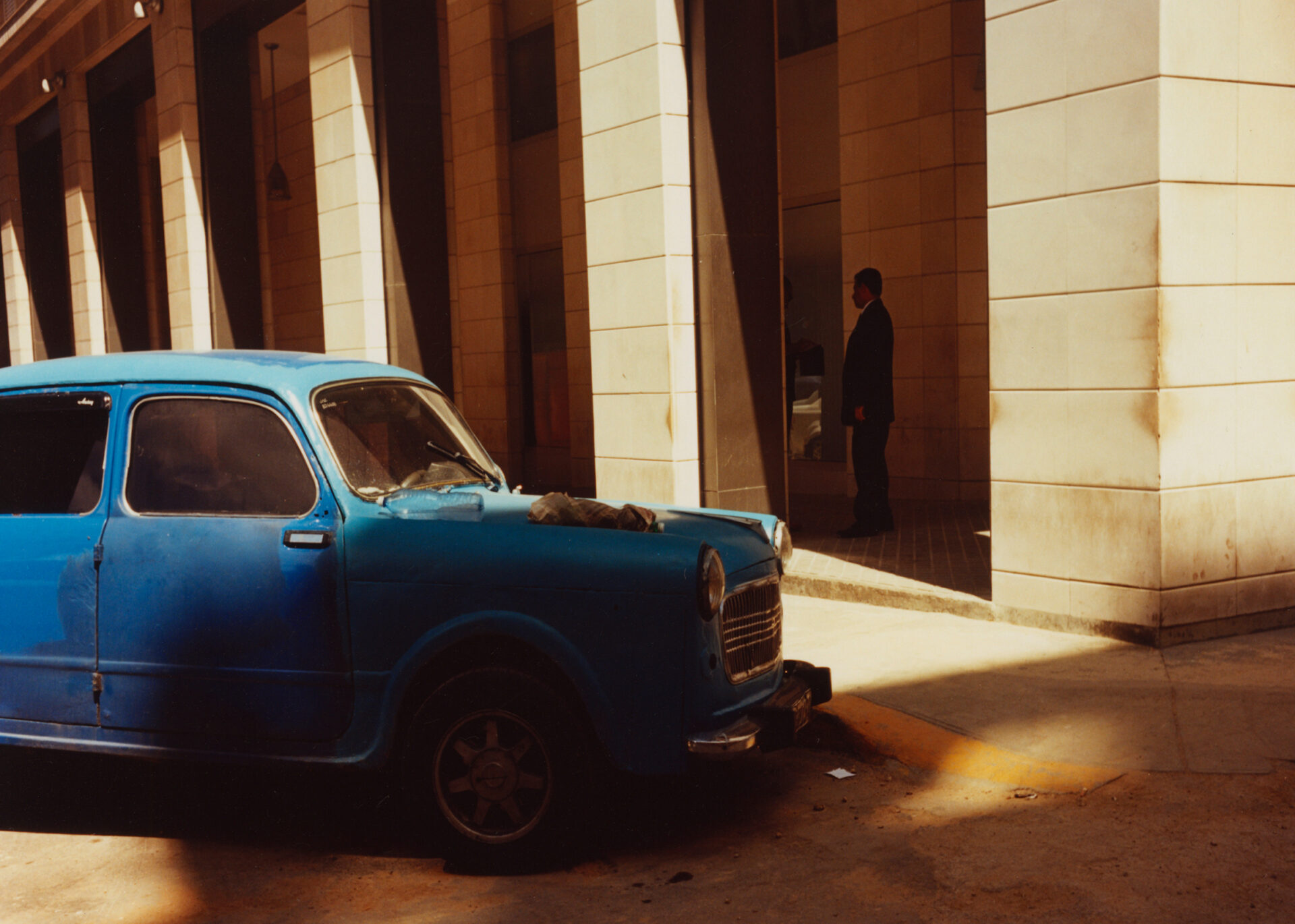
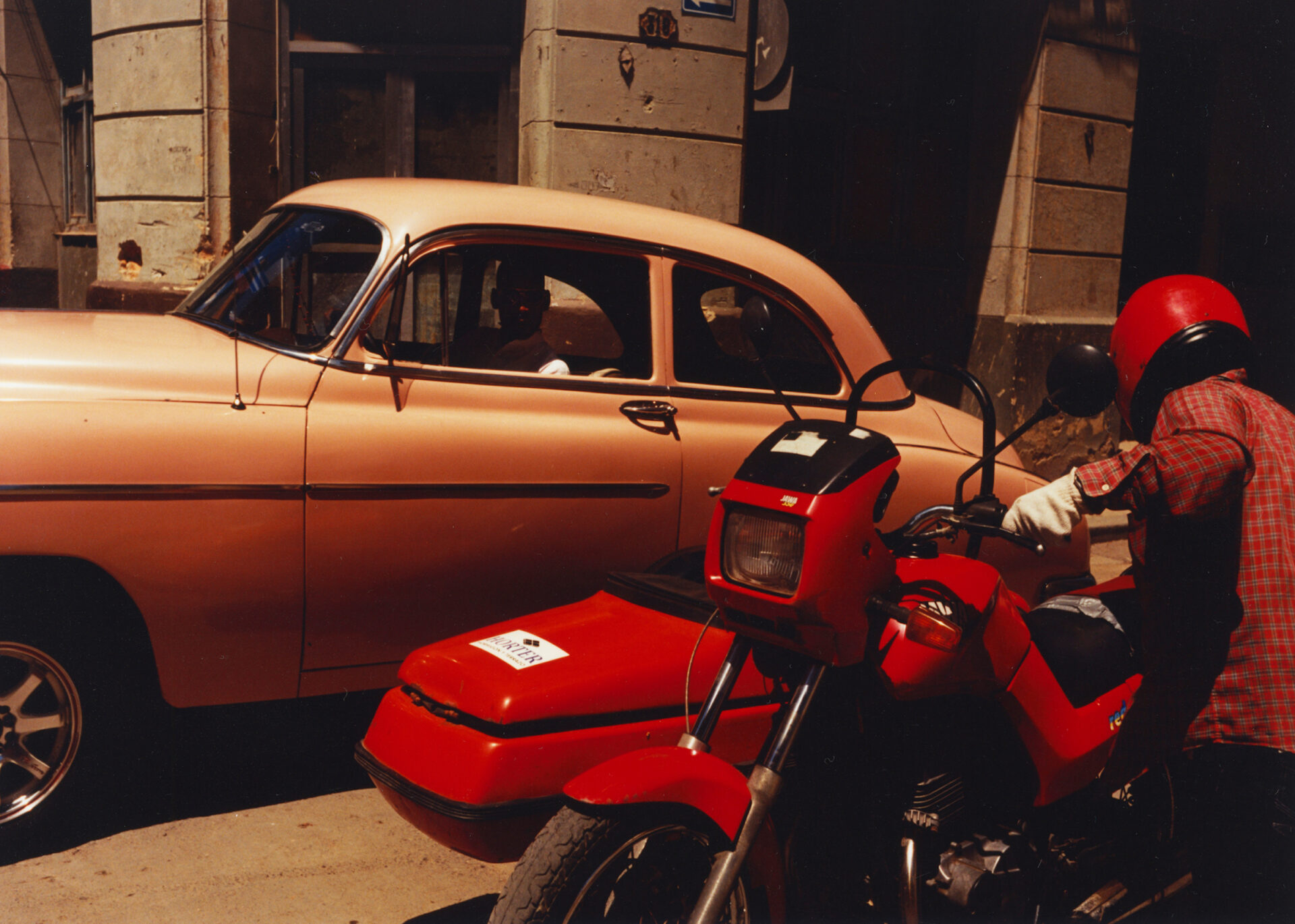
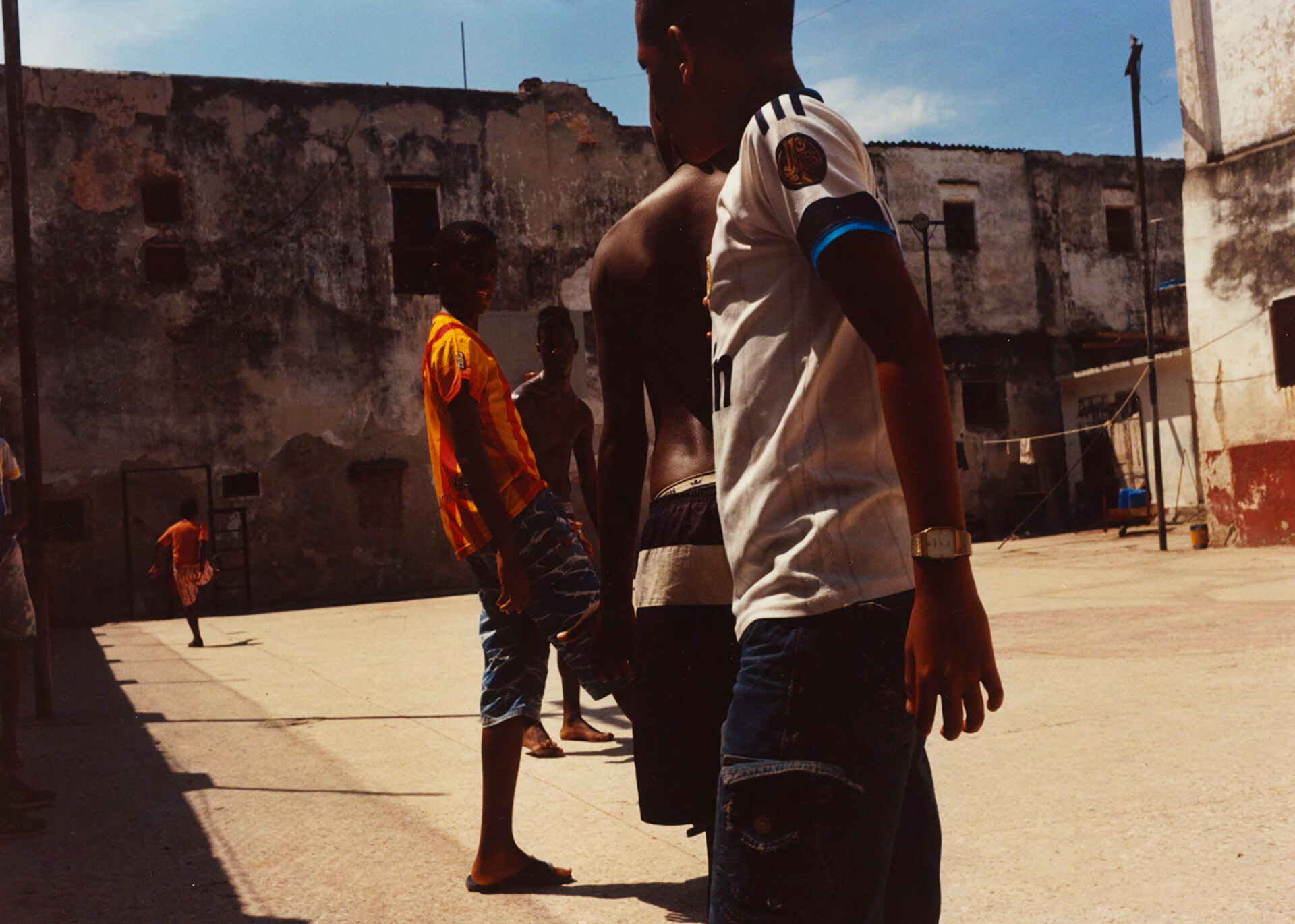
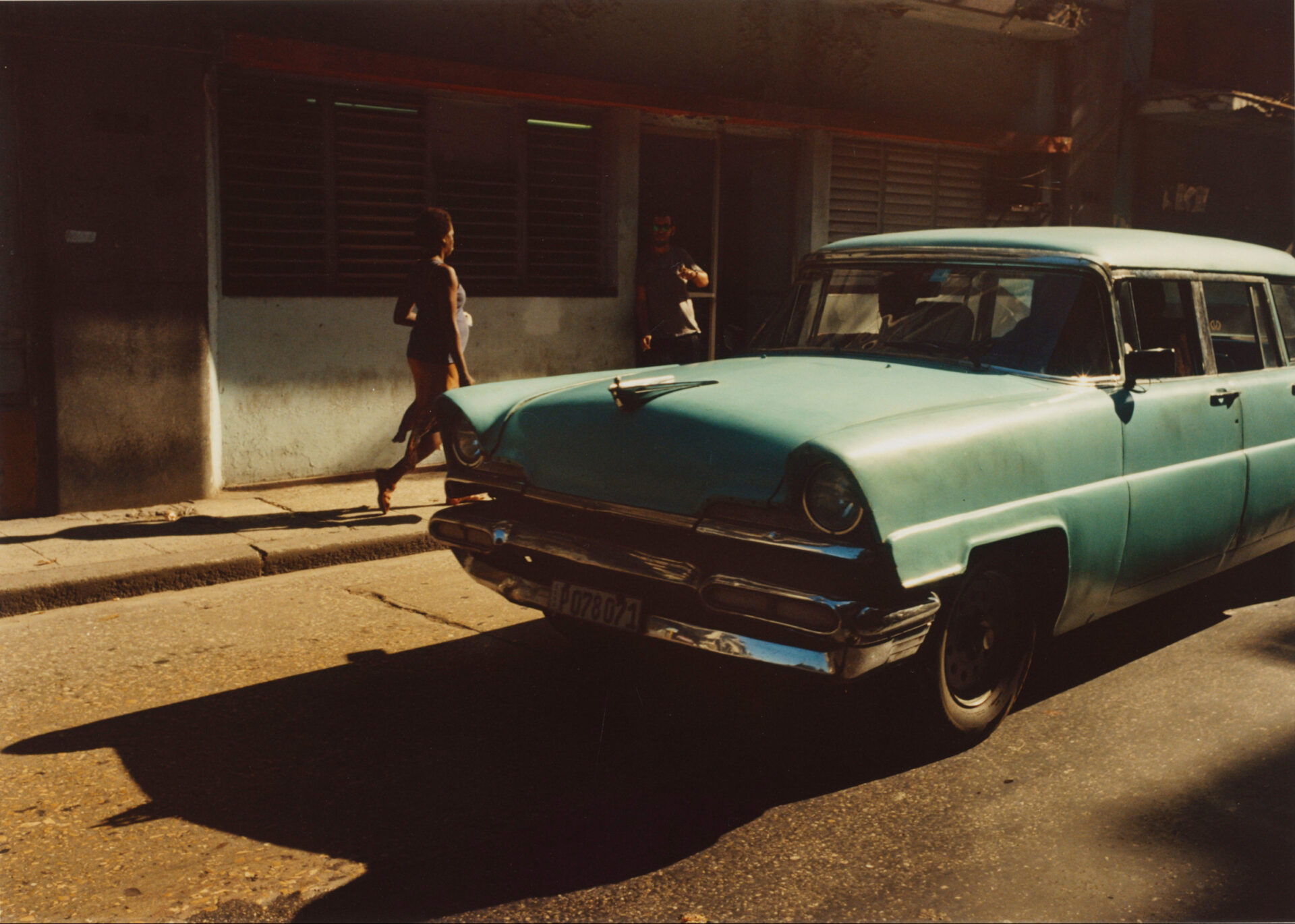
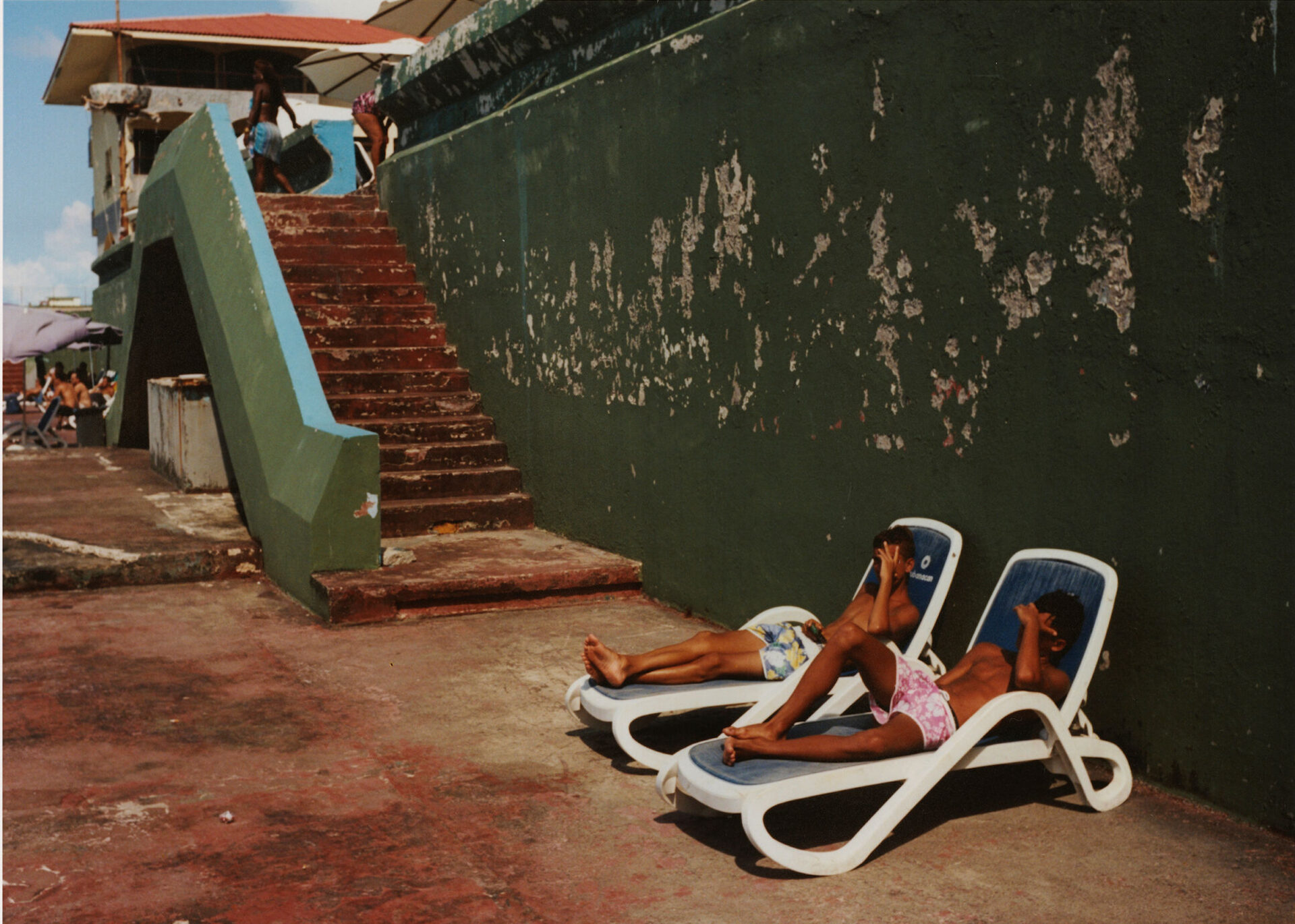
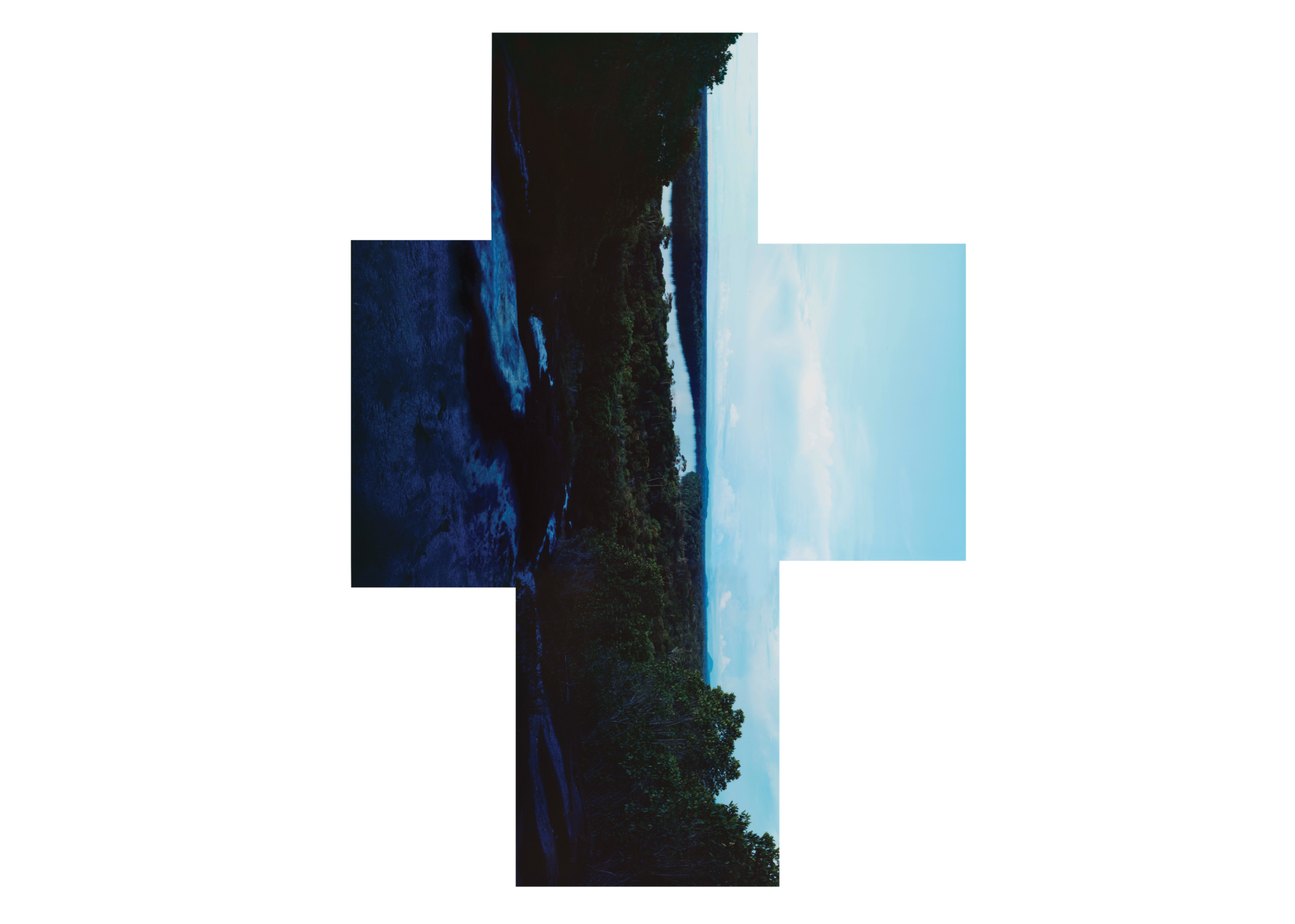


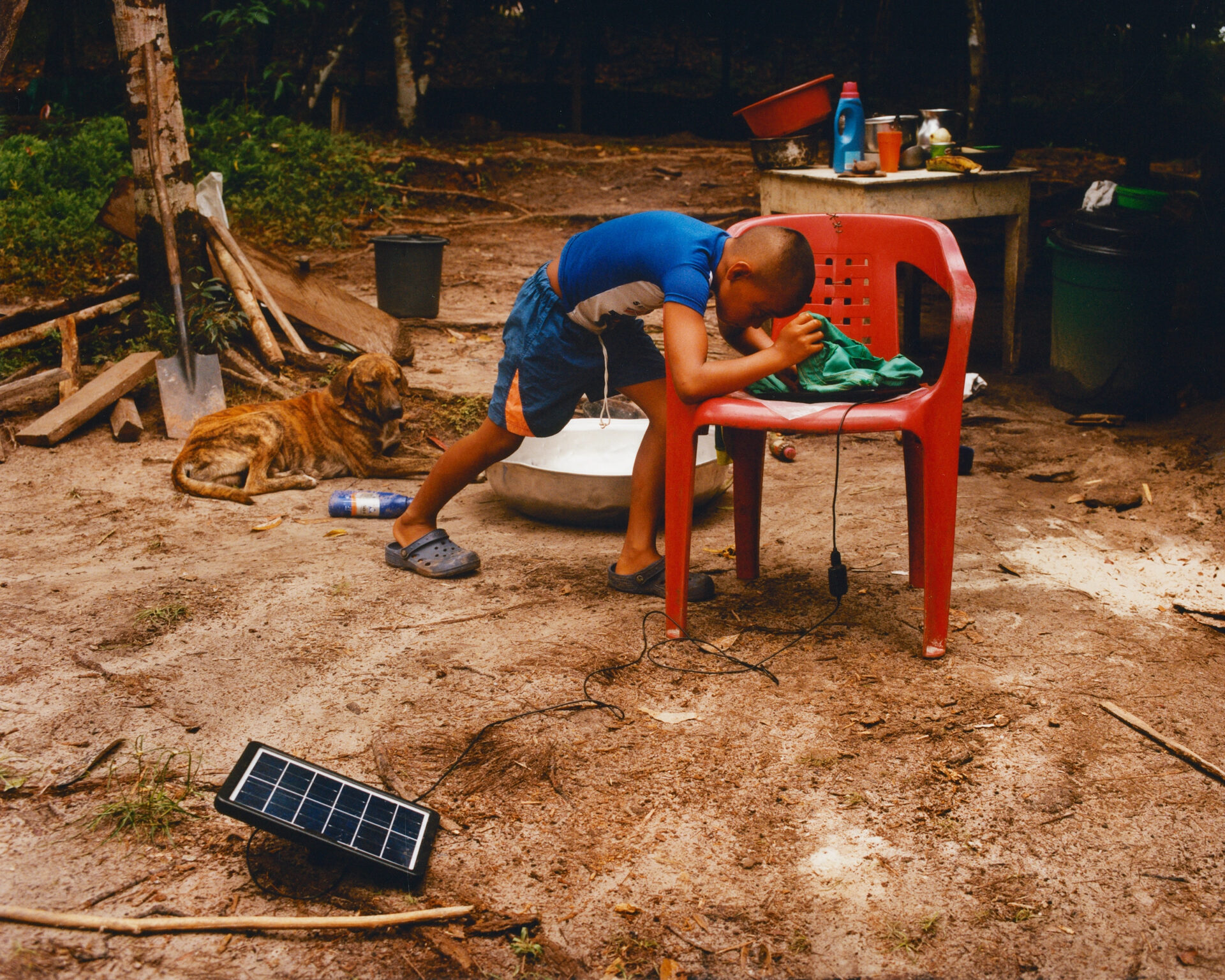


“Empathy plays a big role in my approach to a subject matter. I stay connected with a place and its people, believing and following my intuition, to then create both a personal and universal response that aims to raise awareness on important issues.”


FILM
Redemption Song
To celebrate what would have been reggae legend Bob Marley’s 75th birthday, the Marley family, Universal Music, and Island Records released an official music video for ‘Redemption Song.’
The video was created by de Gueltzl and Octave Marsal, and was the first installment in a year-long celebration for Marley’s 75th birthday.
‘Redemption Song’ was originally released in October of 1980 on Marley’s final album, ‘Uprising,’ one year before his death.
THÉO DE GUELTZL
Please update your browser to access Creative Exchange Agency.